The key types of curtain wall systems

Simon Edward • 8 June 2026

Curtain wall systems differ in functions, materials and assembly methods. Explore the applications and differences of various curtain wall types.

Curtain wall systems differ in functions, materials and assembly methods. Explore the applications and differences of various curtain wall types.

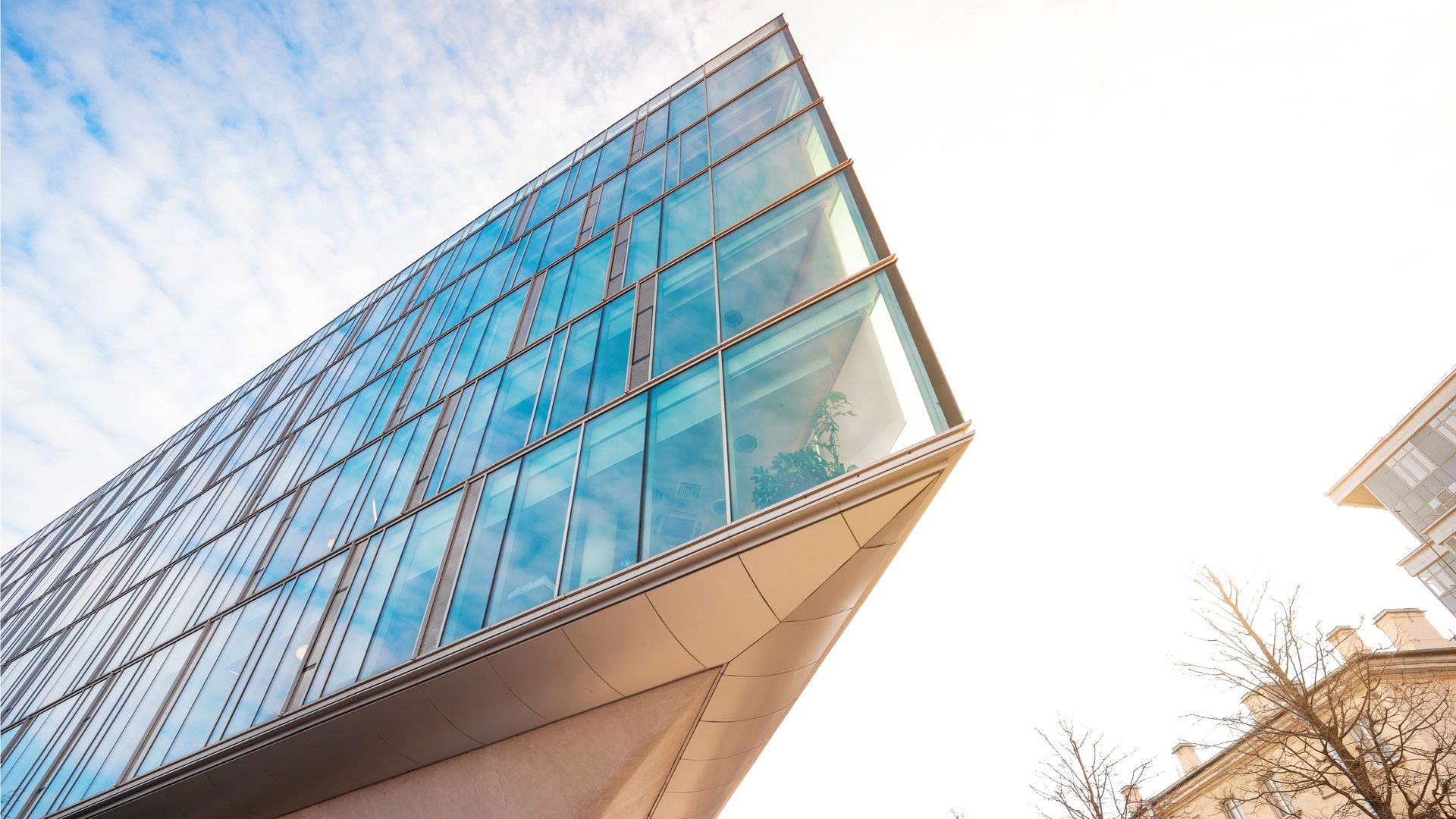
Curtain walls are lightweight, non-structural building envelopes. They're often made of aluminium frames and glass, although here at Wrightstyle, we exclusively manufacture steel curtain wall systems.


They play both functional and aesthetic roles. Functionally, they protect the inside of the building from outside weather. Aesthetically, they give architects and designers a sleek, seamless, forward-thinking look to play with.


Not all curtain walls are the same, however. The different types of curtain wall systems can be grouped into three categories.


  1. How they're assembled – in particular, how much assembly is done in the factory and how much is done on-site

  2. The materials used for infills – these are the non-structural panels that are fitted securely within the aluminium or steel grid (mullions and transoms)

  3. High-risk specifications where the curtain wall is specially designed to protect against unusual levels of threat and force

Assembly types

Stick-built systems

The most commonly found type of curtain wall system is "stick-built". This is where the mullions (vertical) and transoms (horizontal) are installed piece-by-piece on-site. The infills are then installed.

Stick-built systems are most often used for low-rise buildings or small-scale projects.


Unitised systems

The opposite of a stick-built system is a unitised system. This is assembled entirely in the factory and then shipped to the site, where it's installed. Unitised systems are mostly used for high-rise buildings and fast-moving projects.


Semi-unitised systems

In between stick-built and unitised systems is the semi-unitised system. In this scenario, the main framing is installed on-site. Pre-assembled glass units are then added to the frame. This is often used in mid-rise commercial buildings.


Not all curtain walls are supported by frames. Point-supported systems involve supporting glass panels with stainless bolts or tension systems.


Assembly options from Wrightstyle

Here at Wrightstyle, we can provide our curtain wall systems as either supply-only (for on-site assembly) or fully fabricated (for easier site assembly).


Our SR series curtain wall is installed in stick format. Its cold-rolled steel profiles, gaskets and glass need to be assembled on-site. The SG60 curtain wall, by contrast, is designed as a semi-unitised system.


Infill materials

As well as different kinds of assembly, curtain wall systems differ in the materials used for infills.


These are the non-structural panels fitted between framing members. Common choices are vision or spandrel glass, aluminium, stone, terracotta and louvres.


Glass is used for transparency, maximising natural light entering the building envelope and for a clean, modern aesthetic. Composite panels, by comparison, are used for opaque exteriors and a more traditional aesthetic.


Different types of glass can be used in the same curtain wall. Vision glass allows natural light to enter while opaque spandrel glass conceals structural elements like floor slabs. The role of spandrel glass can also be played by opaque panels made from other materials.


Aluminium panels are used for their lightness and opaqueness, while stone and brick veneer are used for a traditional and solid aesthetic.


Terracotta panels are used for texture, fibre-reinforced plastic (FRP) for lightweightness and metal composites for their superior flatness.


Infills can serve other functions. Some have louvres or vents integrated into them, allowing for controllable airflow. Meanwhile, photovoltaic panels generate solar energy within the building envelope.


Infill options from Wrightstyle

At Wrightstyle, we primarily use glass infills as well as metal panels and steel spandrels for non-vision areas.


The type of glass we use depends on the function of the curtain wall. Blast-resistant glazing systems require blast-resistant glass, bullet-resistant glazing systems require bullet-resistant glass and fire-rated systems require fire-rated glass. These all fall under the category of high-security curtain walls.


High-security curtain walls

High-security curtain walls are specialised systems designed to protect building users against unusual threat levels – in particular, bullets, bombs and fire.


They combine reinforced aluminium or steel framing with heavy-duty and specialised laminated glass. This enables the curtain wall to fulfil all its normal functions while providing an extra layer of protection.


Blast-resistant curtain walls


Blast-resistant curtain walls are engineered to protect occupants and structures from explosions. They're constructed from reinforced aluminium or steel framing and laminated blast-resistant glass.
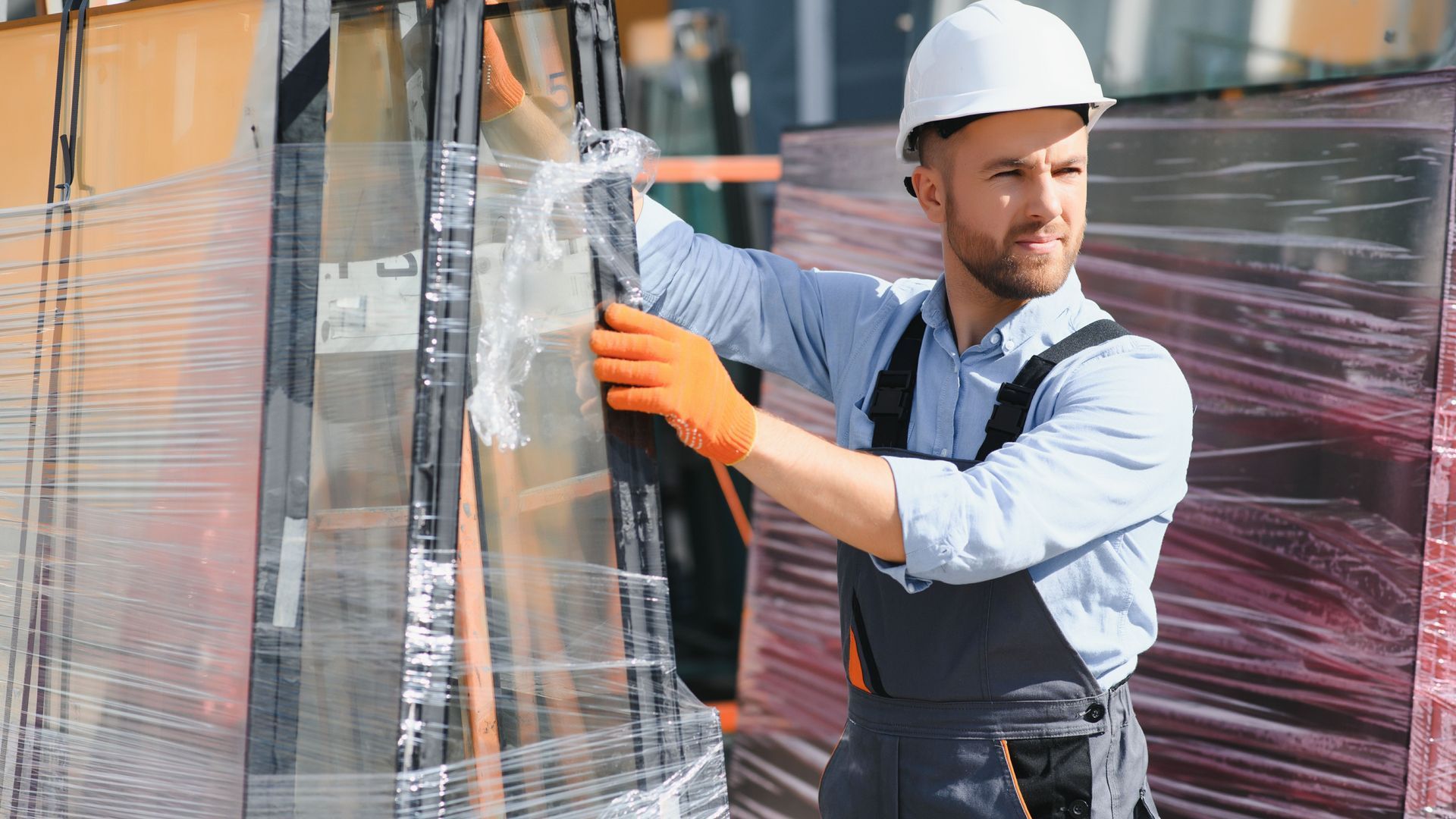

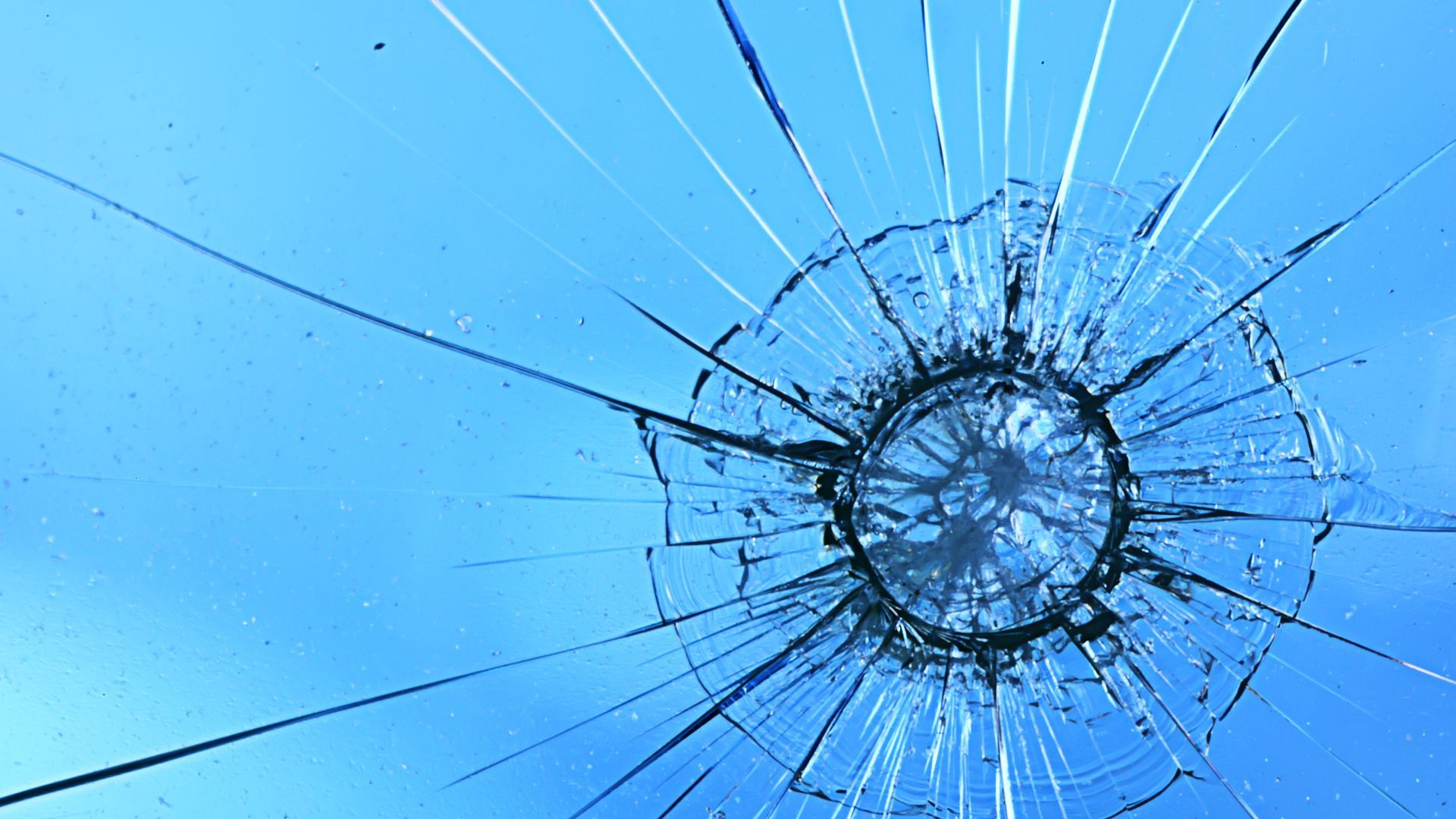
The nature of laminated glass means that if a bomb does go off near blast-resistant glass, the infills will stay within the frame rather than flying off as potentially fatal shards.


Bullet-resistant curtain walls

Bullet-resistant glazing systems work similarly to blast-resistant glazing. They are fitted with specialist bullet-resistant laminated glass. This doesn't stop the bullet from penetrating the outer surface of the glass. However, it is designed to stop the bullet from going through the glass unit.


Bullet-resistant curtain walls offer protection against handguns, rifles and armour-piercing ammunition, depending on the specification. They're often used in government and military sites, but can be found elsewhere.


As with blast-resistant curtain walls, bullet-resistant systems fulfil their other functions just as well as their non-specialist counterparts.

Fire-resistant curtain walls

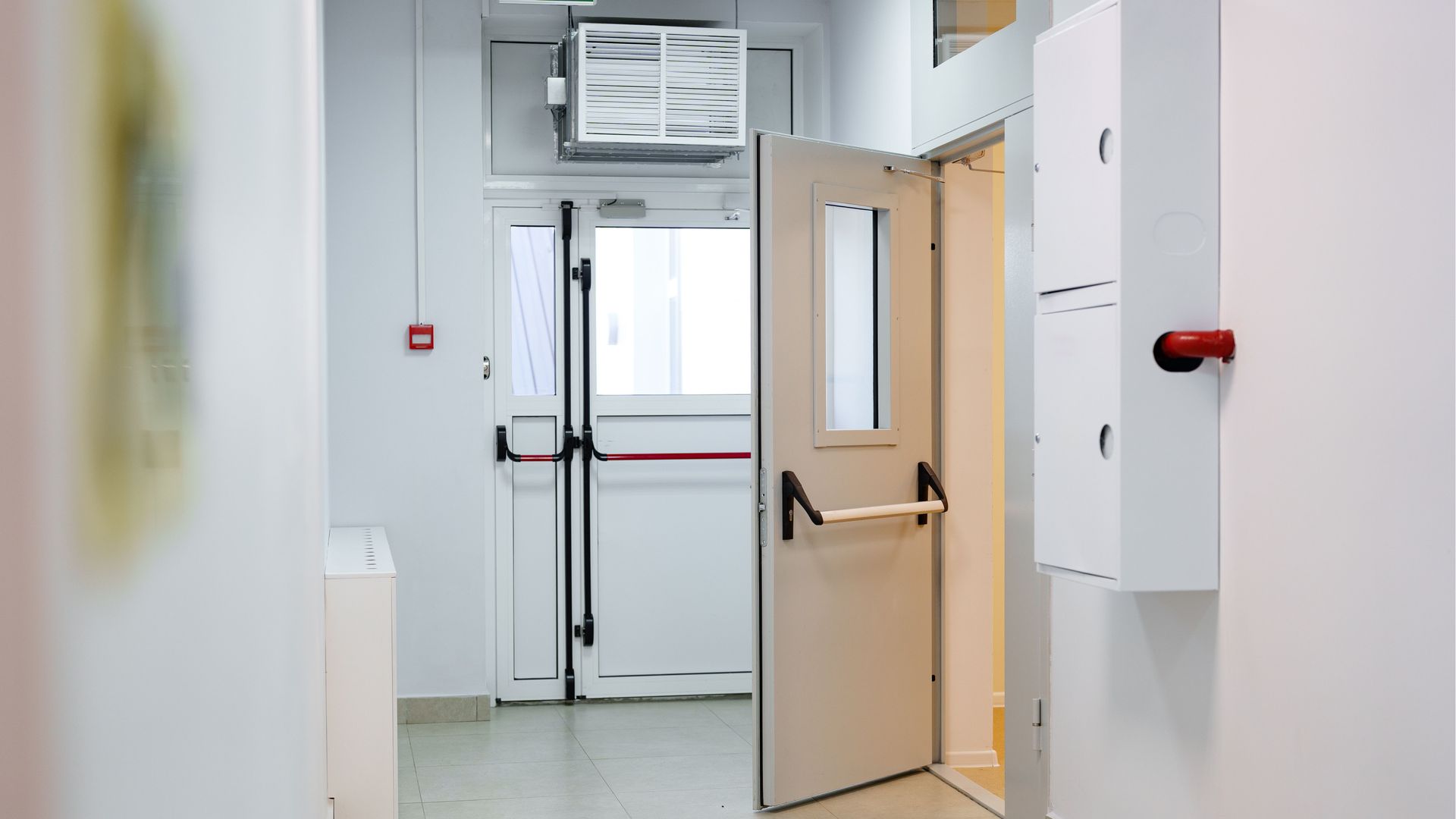
Finally, there are fire-rated curtain walls. These are designed to prevent the spread of fire, smoke and heat both internally and between the building itself and adjacent buildings.


They're constructed from fire-resistant aluminium or steel frames and specialised laminated glass. Here at Wrightstyle, our steel-and-glass curtain wall systems provide up to 120-minute integrity and insulation fire protection.


How to choose a curtain wall system

Like all architectural choices, choosing a curtain wall involves balancing aesthetics with functionality.


Key considerations include thermal insulation, wind load resistance, weatherproofing and structural integrity. You will also want to consider the infill material and assembly type. All these choices will depend upon the scale, budget and timeline of your project, as well as compliance considerations.


Curtain walls are a technically niche domain. If you're unsure which curtain wall system is best for your project, our technical team can help. No matter what level of experience you bring, we'll always provide you with clear, practical and expert advice. Don't hesitate to get in touch if you need our support.

Share this article

Recent Posts

Does your building project involve a roofed glazing system? Explore essential specifications
by Simon Edward 12 June 2026
Does your building project involve a roofed glazing system? Explore essential specifications and considerations.
Curtain walls and facades are similar but distinct architectural features. Explore
by Simon Edward 5 June 2026
Curtain walls and facades are similar but distinct architectural features. Explore the key differences in our glazing system guide.
Glazing jargon can be complicated. Learn the most important differences between a curtain wall,
by Simon Edward 29 May 2026
Glazing jargon can be complicated. Learn the most important differences between a curtain wall, a storefront and a window wall.
Is steel or aluminium best for a glazing system? Explore the pros, cons and differences in our guide
by Simon Edward 25 May 2026
Is steel or aluminium best for a glazing system? Explore the pros, cons and differences in our guide.
Blast-resistant glazing systems need to be performance-tested. Find out what this involves
by Simon Edward 22 May 2026
Blast-resistant glazing systems need to be performance-tested. Find out what this involves in our glazing system guide.
Glass-roofed atrium with steel beams and blue-tinted reflections in a modern building
by Simon Edward 18 May 2026
Explore 7 impressive internal glass facades that enhance natural light. Contact us for expert glazing solutions!
Person in a dark jacket with reflective stripes writing on a clipboard outdoors
by Simon Edward 15 May 2026
Understand UK fire regulations for glazing systems. Ensure compliance & safety in your projects. Contact us for expert guidance!
Blue glass building facade viewed from below with grid-like window panels
by Simon Edward 11 May 2026
Explore essential specifications for curtain wall systems. Ensure your project meets performance standards with Wrightstyle's expert solutions.
Cracked circular glass against a blue background, with a bright center and radiating fracture lines.
by Simon Edward 8 May 2026
Learn how bulletproof glass is made, from materials to testing. Contact Wrightstyle for high-specification glazing solutions.
Abstract mirrored glass facade with blue-gray geometric triangles and white panels
8 April 2026
Explore high-spec steel & glass systems for modern architecture. Contact us for expert support on your next project.
Show More