
Light and glass in modern architecture
In the world of modern architecture, light and glass are inextricable. Explore how they've been applied over the last century.

Time for a riddle. What building material has neither weight nor mass?
The answer (did you get it?) is light. Sure, light isn't what we normally think of as a building material. You can't get it shipped to a construction site and you can't measure its insulating properties.
Nevertheless, light has always been an essential consideration when designing buildings – and never more so than in the construction of steel and glass buildings.
It's not for nothing that the 20th-century architect Louis Kahn remarked, "The sun never knew how great it was until it hit the side of a building."
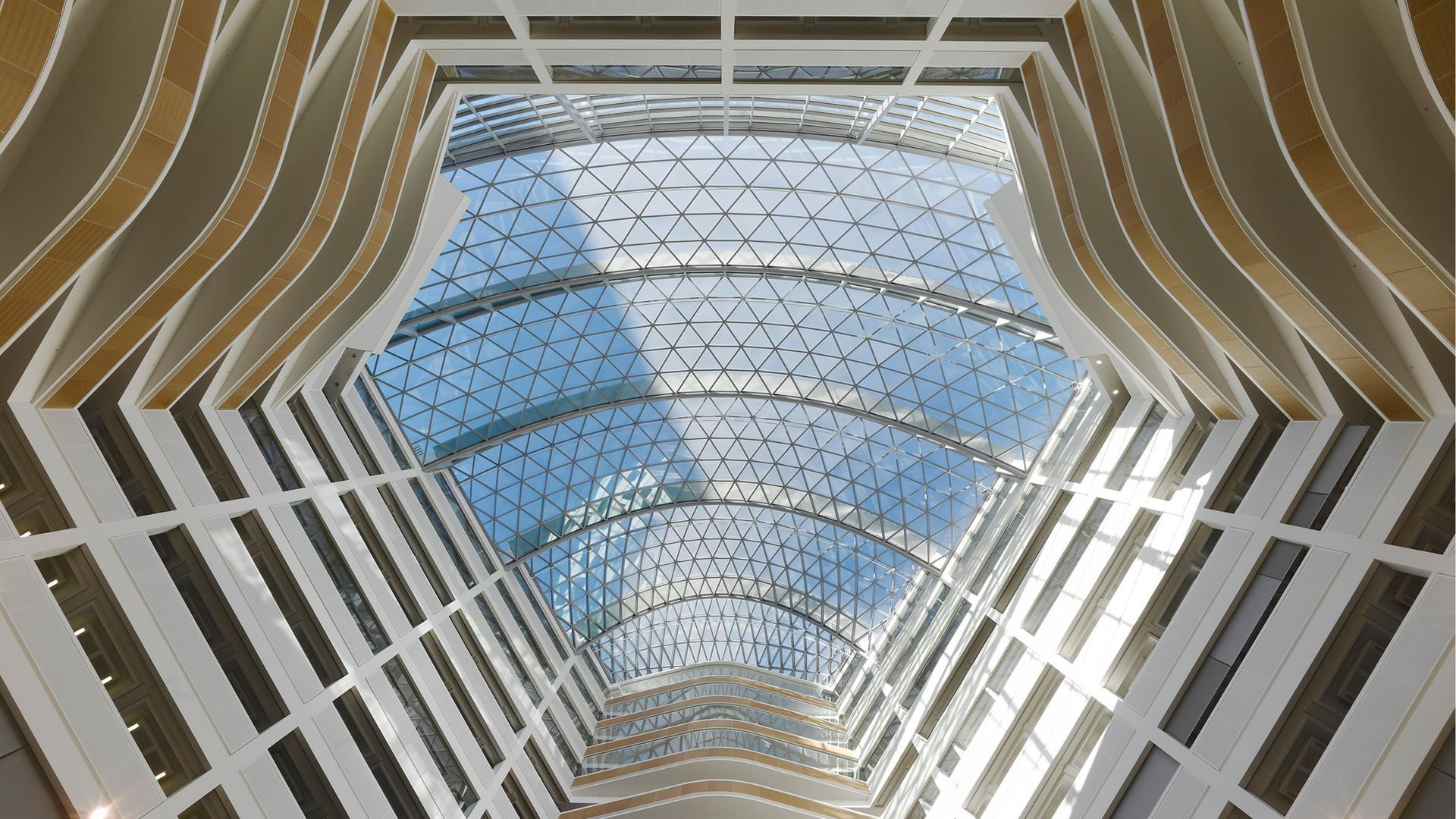
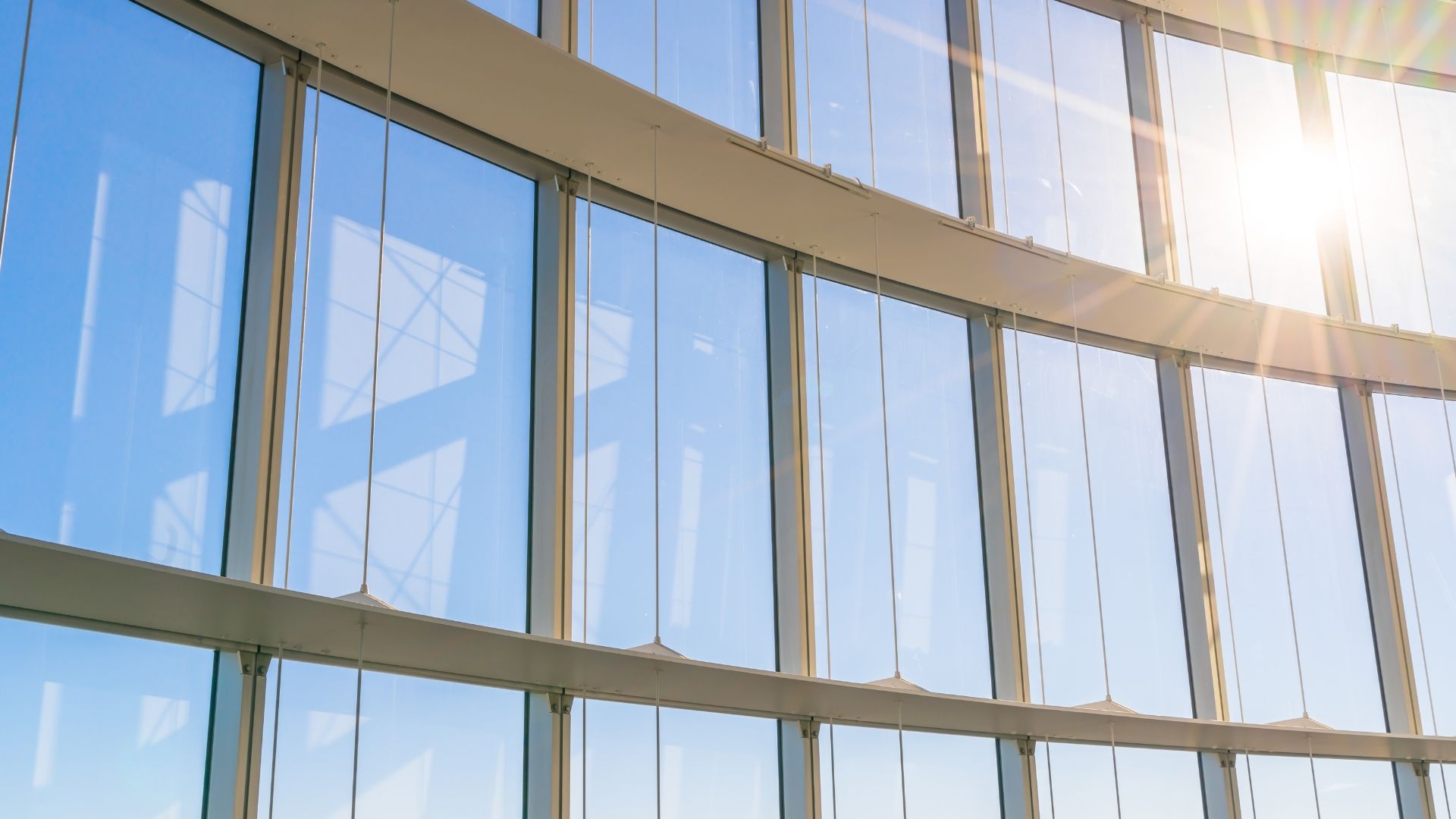
Louis may have been exaggerating for effect, but the point remains. Many steel-and-glass buildings come alive when they reflect the awesome power of the sun. Some, too, show off a range of textures as the quality and degree of sunlight changes.
The architectural designer Le Corbusier was expressing something similar when he described architecture as "the learned game, correct and magnificent, of forms assembled in the light".
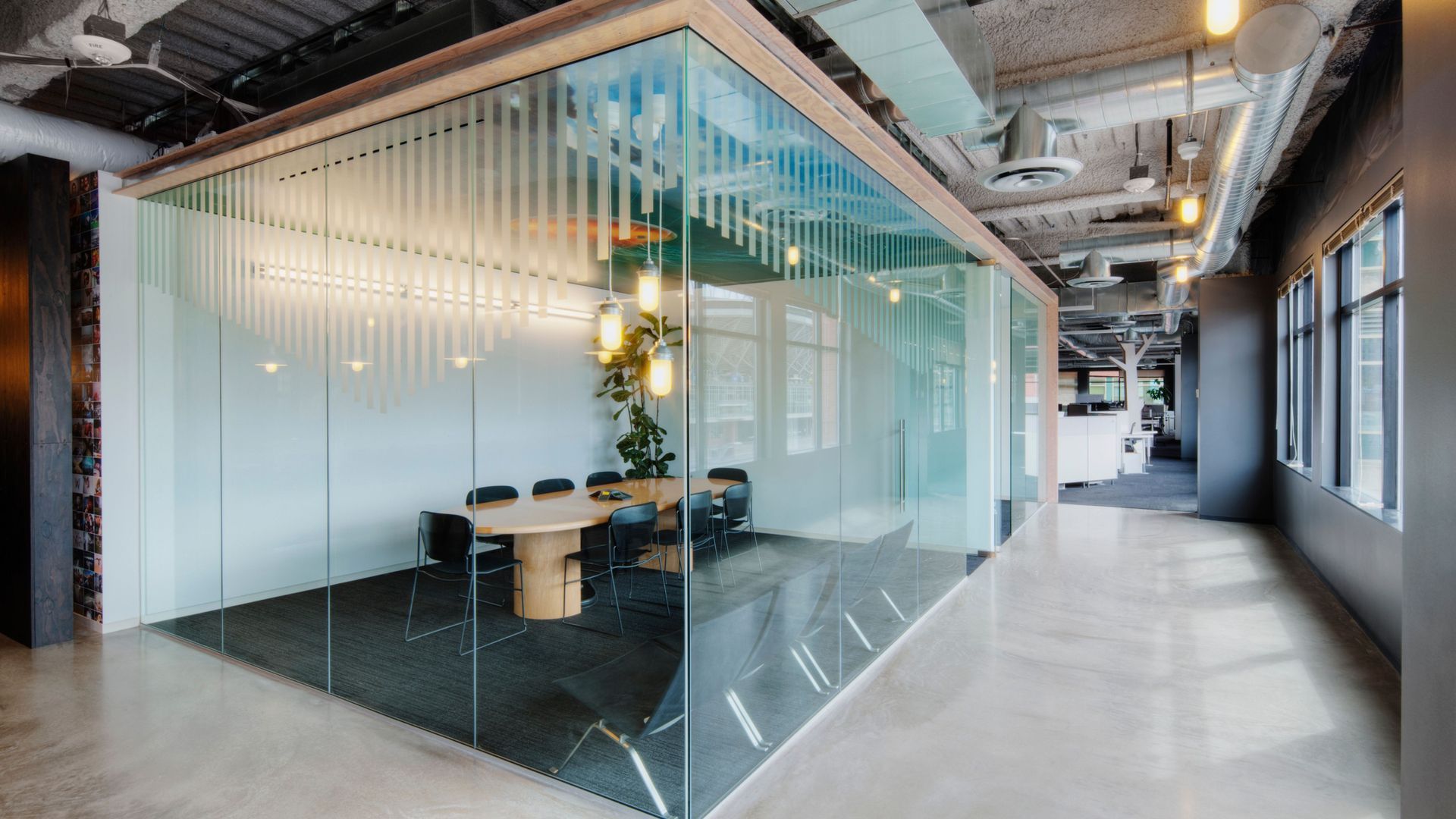
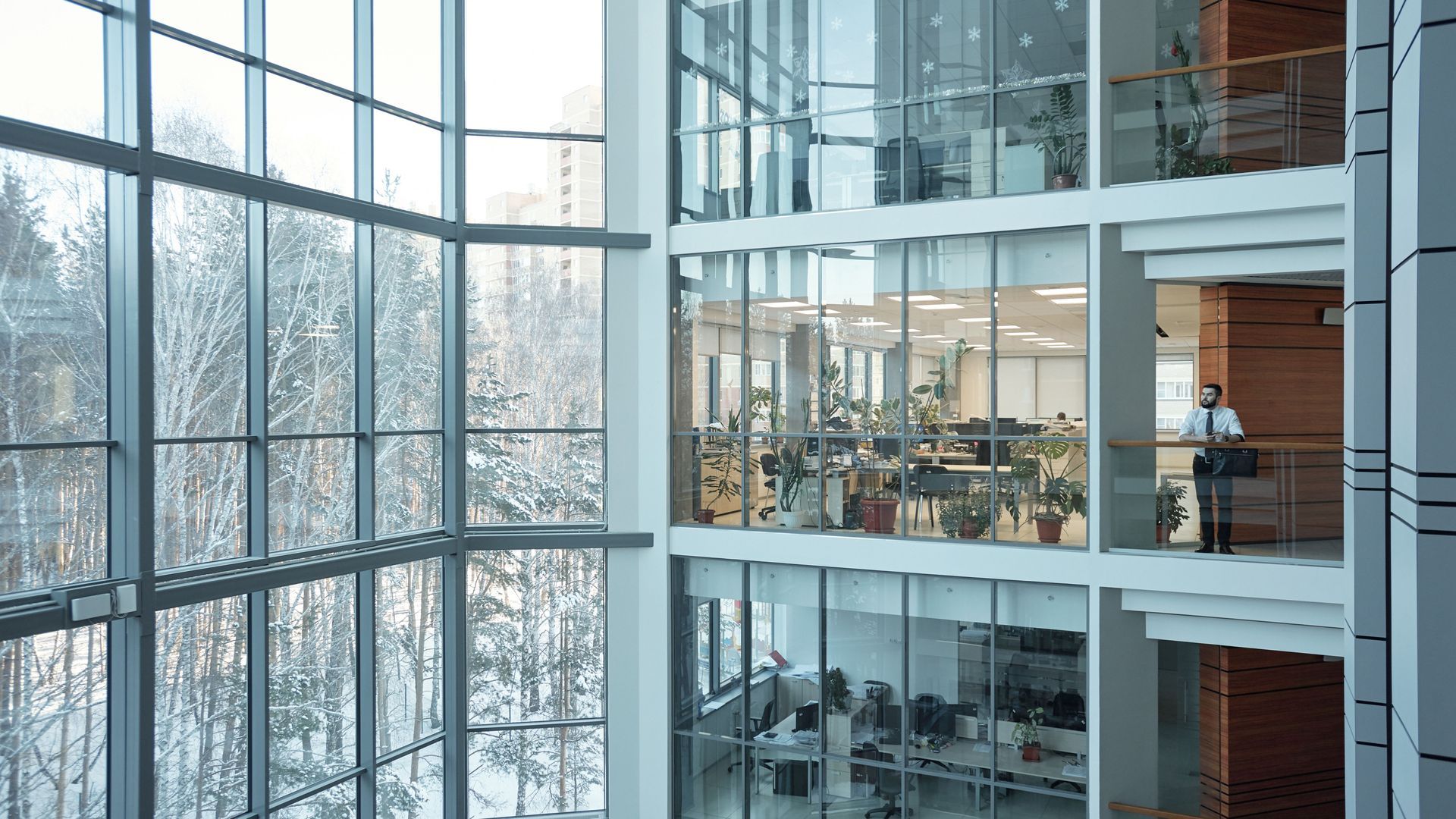
But the relationship between glass and light isn't simply one of external beauty. It's also about how welcoming a building feels from within. Ask anyone who's worked in a windowless office and they'll know what we're talking about.
So, when were steel-and-glass buildings introduced – and how have they changed over the years?
Changing skylines
The 1950s were a time of great social change. In New York, these changes were visible in towering buildings that eschewed steel and stone for glimmering glass.
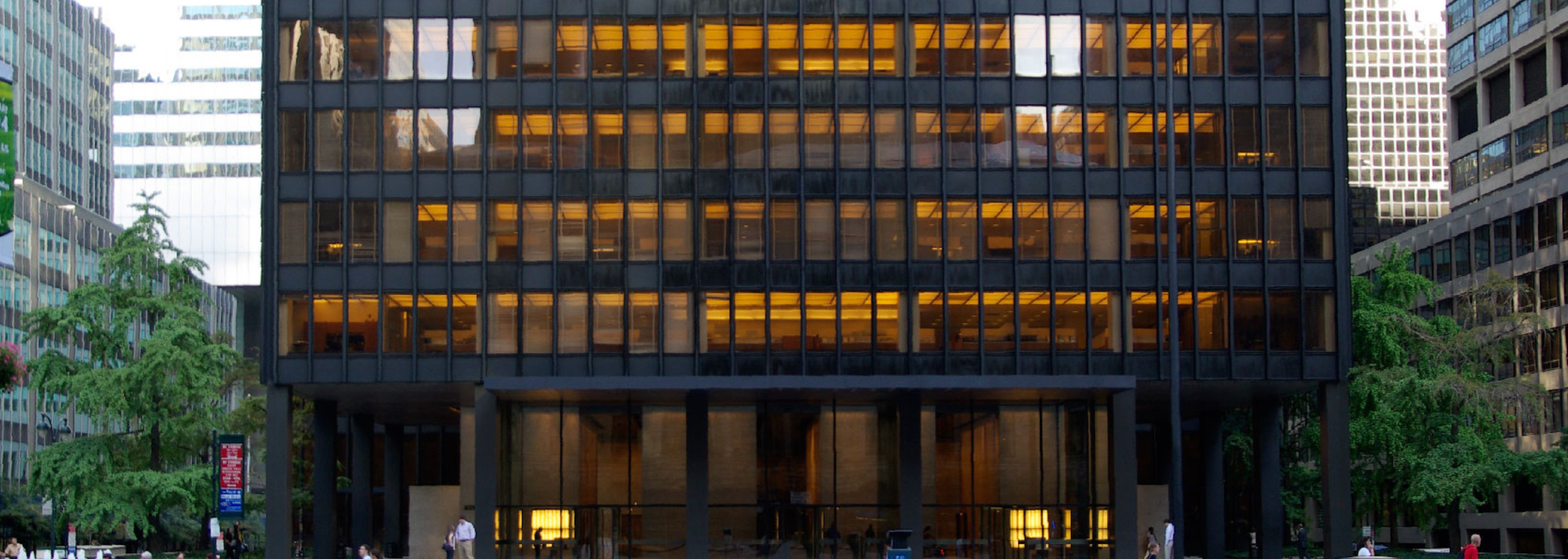
Two of the first modern buildings to make a transparent mark were the UN Building and Lever House. These were followed in 1958 by the Seagram Building.
Designed by Ludwig Mies van der Rohe, this iconic building emphasised both transparency and reflectivity. In doing so, it changed the way designers thought about form and function forever.
It's no exaggeration to say that the Seagram Building cast a long shadow (no pun intended). In the post-Seagram age, light became a far more prominent consideration in architectural design.
These notions had been around for a while, however – at least since Frank Lloyd Wright in the 1930s and the Japanese predecessors that inspired him.
Wright was one of the first to propose steel and glass as fundamental and complementary materials. He made waves in the design community by arguing that "form and function are one".
Around the same time, the German architect Arthur Korn wrote: "Glass is an extraordinary material. It gave us the beauty of medieval stained glass windows… they opened a door to allow a glimpse of paradise in luminous colours from the shadow of the grave."
Times, Korn acknowledges, have changed, and while "nothing has been lost from the richness of those earlier creations", glass now serves a different function: "A new glass age has begun... equal in beauty to the old one of Gothic windows."
When did the new glass age begin?
We've seen that some of the most impactful additions to urban skylines took place in post-war America. But the new glass age, in whose shadow we still live, arguably began in the mid-19th century. This was the time of the Great Exhibition and Sir Joseph Paxton's Crystal Palace.
This seminal 1851 building was one of the first to use steel and glass on a large scale. It was especially notable for its use of cast plate glass – a material as cheap as it was strong. This innovation heralded everything from glass buildings to the explosion of domestic greenhouses in Victorian England.
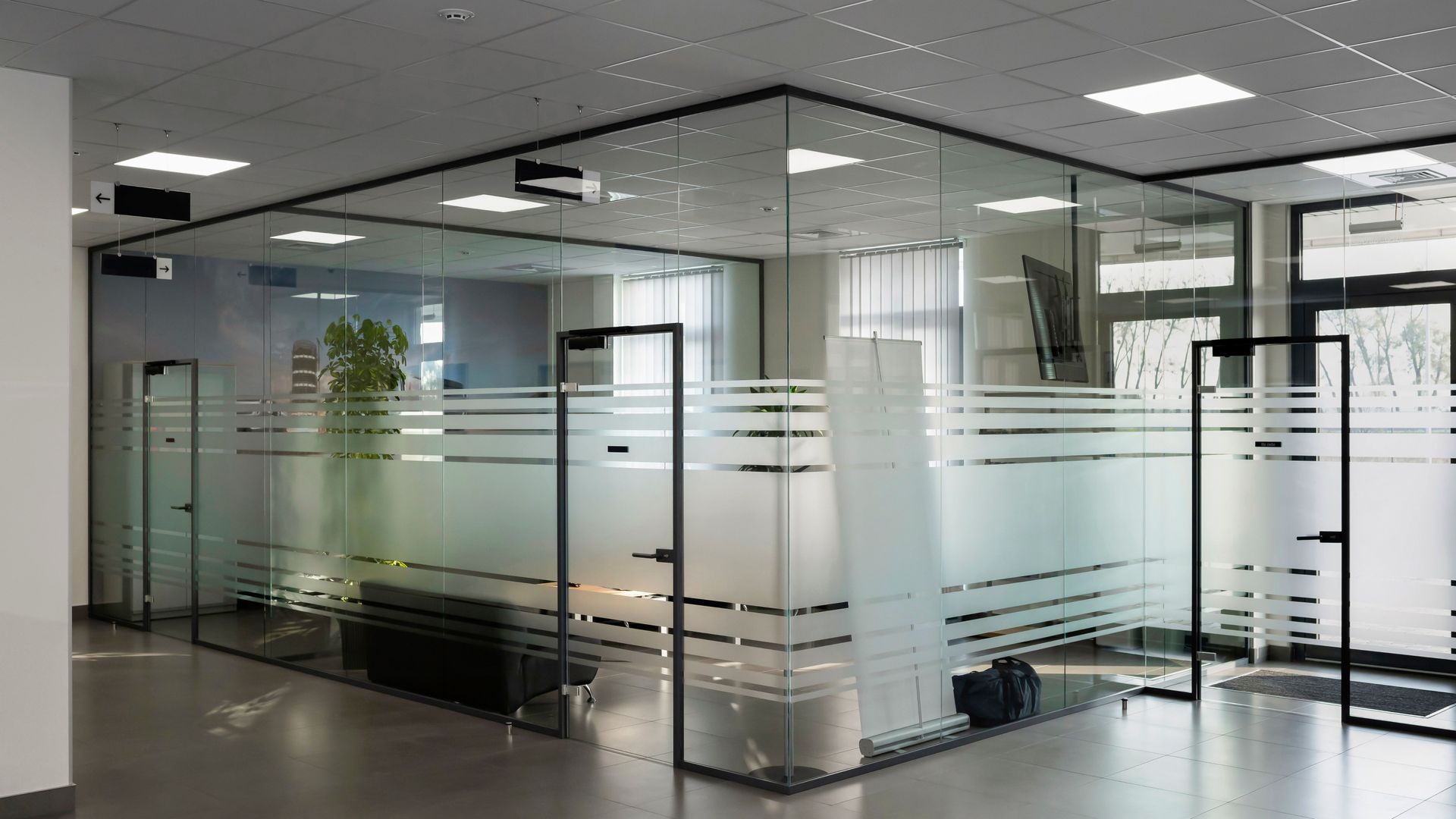
Today's glass buildings often feature curtain walls – non-load-bearing exterior walls that hang like a skin from a building's main structure.
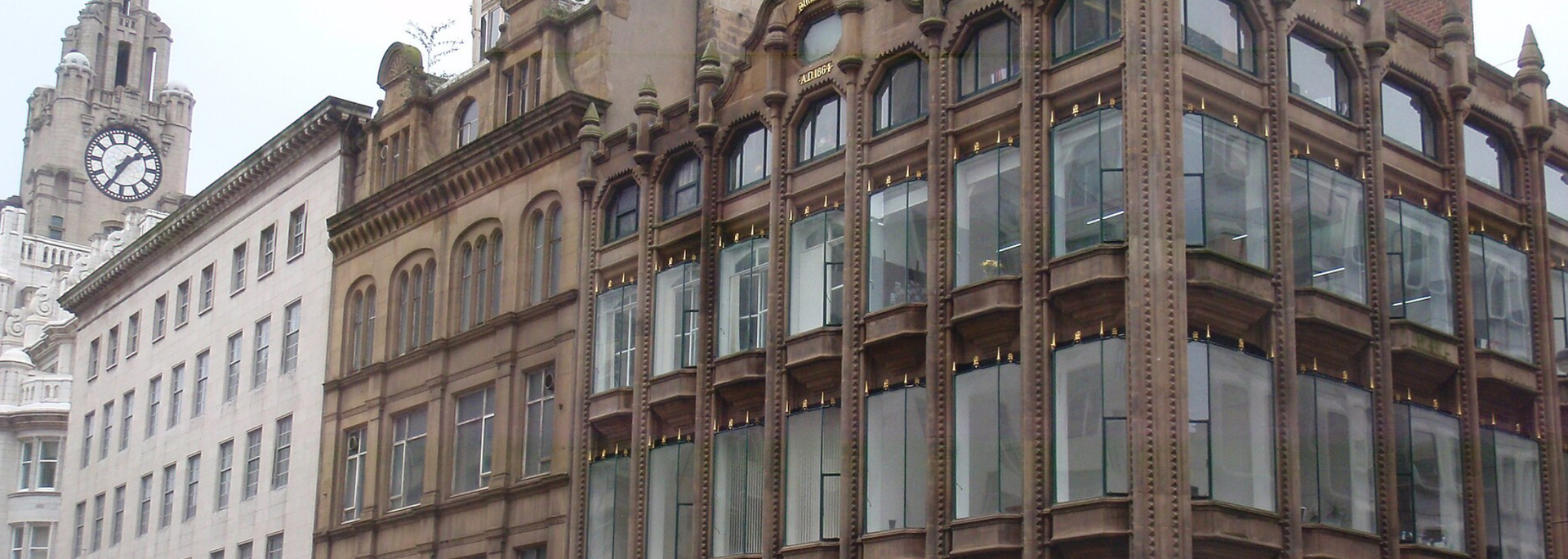
The first curtain wall – then with a prominent metal frame – was built 13 years after the Crystal Palace. Today, Oriel Chambers is Grade I-listed – but back then it was given a far lower grade by The Builder, which wrote:
"The plainest brick warehouse in town is infinitely superior as a building to that large agglomeration of protruding plate-glass bubbles termed 'Oriel Chambers'."
The modern buildings we see all around us in modern cities are all descendants of these historical buildings. So, what's changed? How do today's glass-and-steel constructions differ from those of Paxton and van der Rohe?
What's changed?
There have been two main developments in the use of glass as a building material. The first is its superior strength and the second is its specialised versatility.
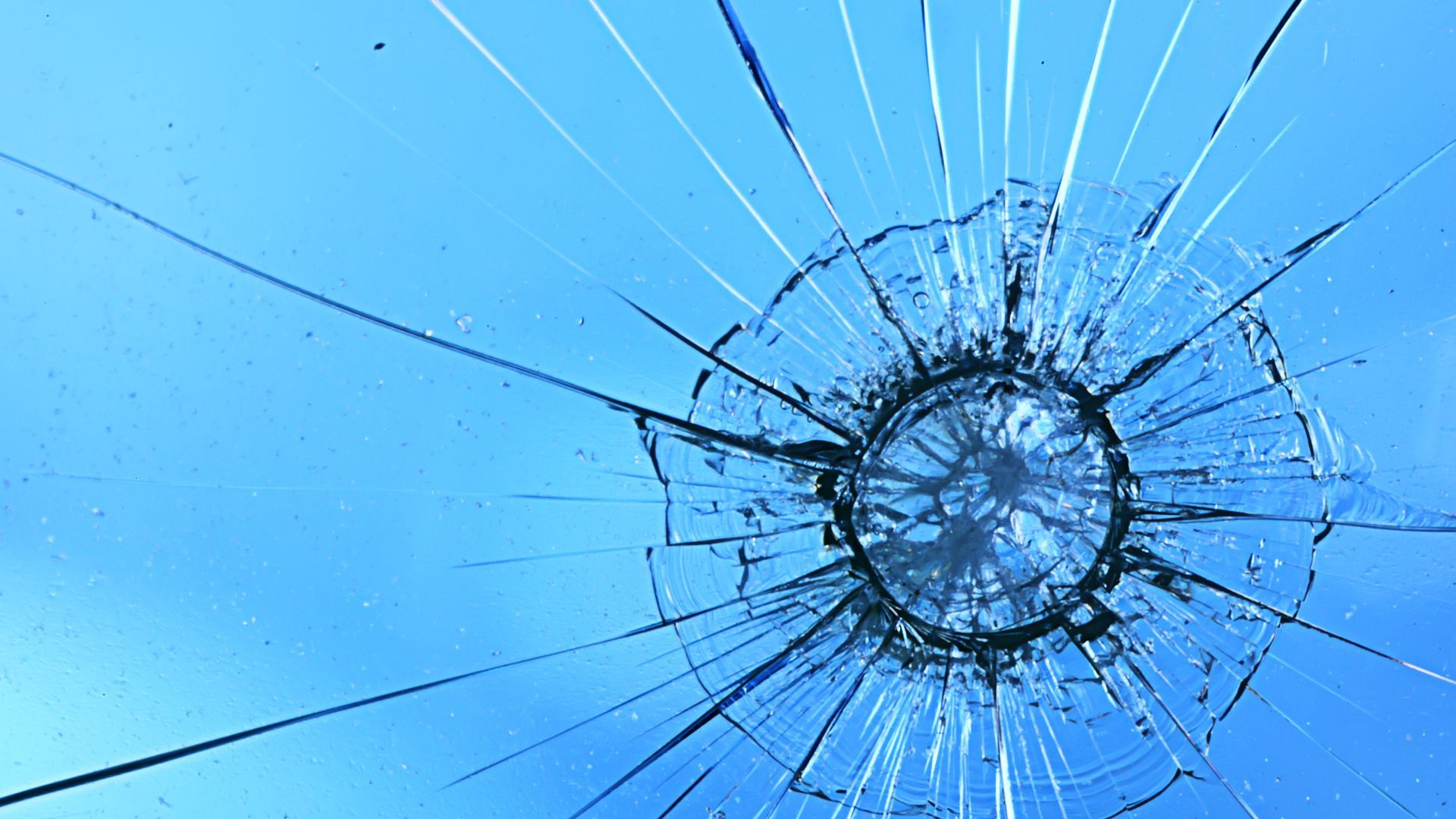
Today's glass products are highly durable – especially safety glass products like toughened and laminated glass. To give you some idea of their strength, laminated glass is regularly used in hurricane zones. It's also the main material used for glass bridges and other walk-on glass structures.
The other big change is that glass is now manufactured to meet both threats and opportunities. These threats include bullets and bombs, while opportunities include the need for energy-efficiency and sustainability.
Here at Wrightstyle, we provide speciality glazing systems that combine near-perfect optics with the ability to retard fire, stop bullets and withstand explosive charges.
At the same time, they provide excellent thermal performance, making them the ideal choice for building projects that require modern levels of energy efficiency.
Steel and glass are at the heart of what we do. Our curtain walls are made exclusively from steel rather than aluminium. This is primarily to harness its superior strength.
The glass we use is also super-tough. All our glazing systems, both glass and frame, can be specialised to provide additional protection against fire, manual attack, bullets and bombs.
It's sobering to think that we're working in the shadow of 19th- and 20th-century pioneers. Like them, our priority is to combine aesthetic appeal with high levels of functionality. What's next, we wonder, for steel and glass?
Wrightstyle is a UK-based supplier of high-performance glazing systems. For more industry analysis and guides, follow our blog.