
Curtain wall vs facade: what's the difference?

Simon Edward • 5 June 2026

Curtain walls and facades are similar but distinct architectural features. Explore the key differences in our glazing system guide.


Curtain walls and facades are similar but distinct architectural features. Explore the key differences in our glazing system guide.

The language of architecture can be a little confusing. Mullions. Transoms. Cantilevers. Enfilades. It's a glossary that could baffle a thesaurus compiler.


Nevertheless, you may find yourself in a position where you have to specify architectural features, especially if you're overseeing a project.


In architecture, language matters. It defines essential differences between otherwise similar features.


One key example of this linguistic difficulty is the difference between curtain walls and facades. Both refer to bits of a building's outer surface. So, what's the difference, exactly?


The short answer is that all curtain walls are facades, but not all facades are curtain walls. A facade is any exterior face – or "skin" – of a building. A curtain wall, by contrast, is a non-structural, lightweight and typically glazed facade that hangs on the outside of a building frame.


The long answer will, naturally, take a little longer. Here are five questions you can ask to identify whether you're dealing with a curtain wall or a facade.


How to tell a curtain wall from a facade

1. Can it bear loads?

Curtain walls aren't built to bear loads. Instead, their function is to support their own weight and to transfer wind loads to the building structure.


By contrast, a facade can be either load-bearing or non-load-bearing, depending on the construction method.


Traditional facades – such as those built from brick, stone or precast concrete – often form part of the building's structural system. In modern construction, however, facades are typically non-load-bearing and act as external cladding systems, functioning similarly to curtain walls.


2. What's it made of?

Curtain walls are often made from aluminium frames and glass fillings, although other lightweight materials, such as aluminium cladding, are sometimes used.

Here at Wrightstyle, we make our curtain walls exclusively from steel and glass. This is so our clients can harness the superior strength of steel.


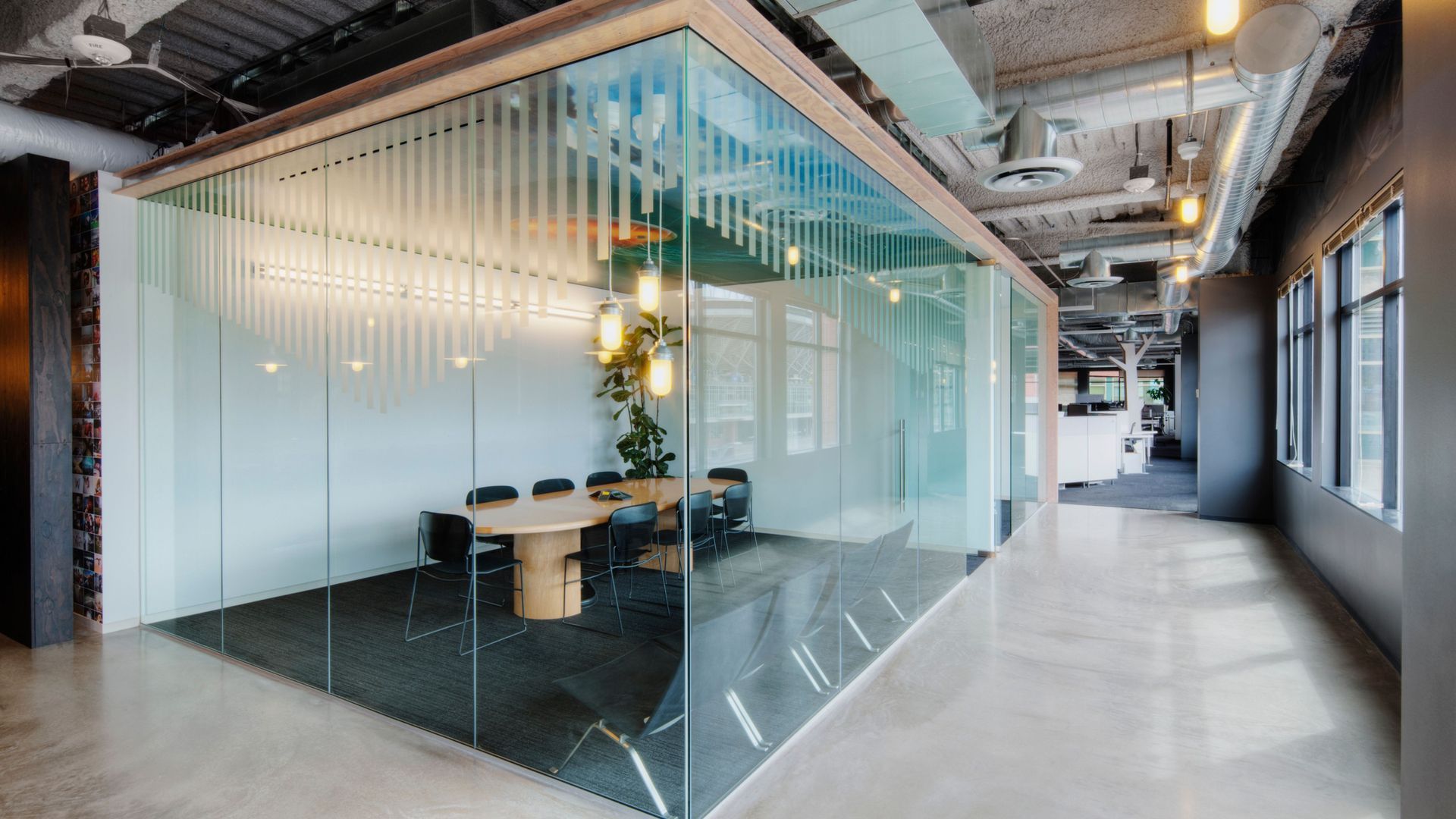
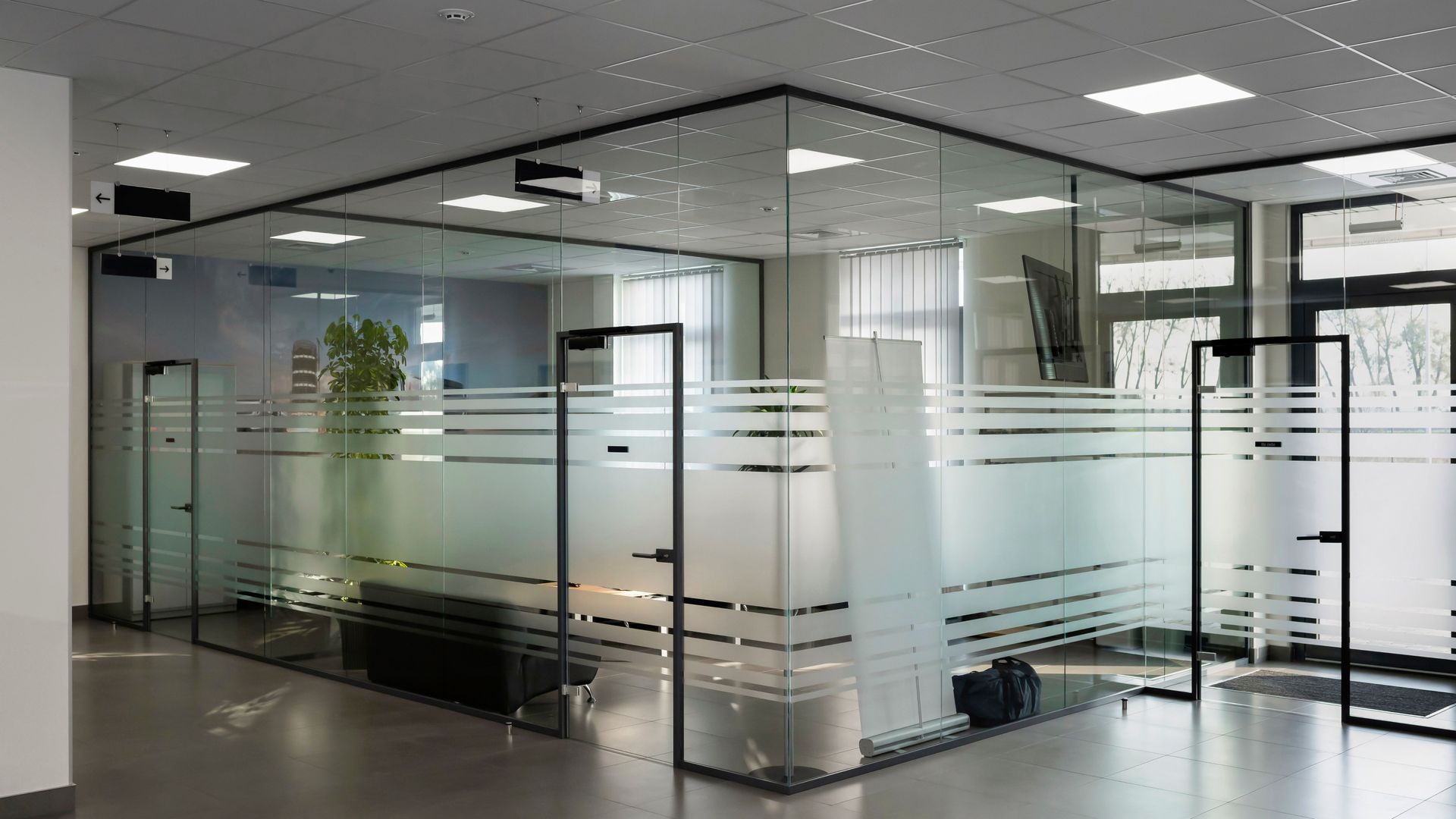
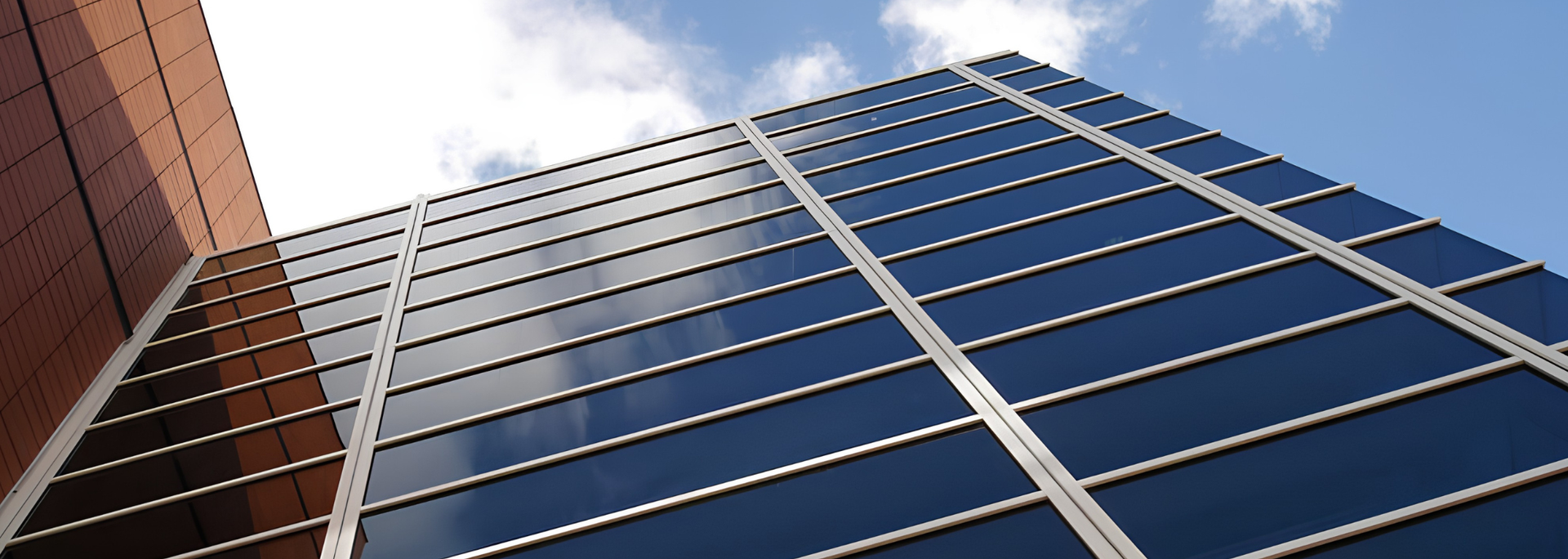
Picture of a curtain wall.

Modern facades can also be made from aluminium and glass. Traditional designs use brick and timber while modern options use composite panels, ceramic or fibre-cement. This makes them more lightweight than their traditional counterparts.


3. Where is it attached?

Curtain walls get their name from the fact that they hang like a curtain from buildings in continuous, unbroken envelopes. They're attached to the exterior of the structural frame.


Facades, by contrast, can be installed in high-rise buildings suspended from concrete floor slabs. The kinds of facades that fall into the category of curtain walls, however, act as outer skins that hang from the building's exterior.


4. What does it look like?

Curtain walls have a sleek, seamless, floor-to-ceiling look and cover a building's exterior. They often consist of a continuous grid of mullions (vertical structural members) and transoms (horizontal structural members).


Facades, as noted, are a broader category that often refers to a building's overall appearance. This can sometimes include materials like brick and timber.


5. What's it used for?

Curtain walls and facades have different yet sometimes overlapping applications. Curtain walls are most commonly found in modern, high-rise and commercial buildings. Facades, on the other hand, are used on all building types – from traditional homes to modern high-rises.


What is a hybrid facade?

Hybrid facades consist of curtain walls at ground and first-floor levels with cladding on upper levels. They've become a staple of mixed-use developments over the last decade.


These are typically used in buildings where the ground and first floor house retail or reception spaces that need natural light and transparency. On the upper levels, meanwhile, superior thermal performance is prioritised for residential or office spaces.


What's the difference between a facade and cladding?

When exploring the topic of facades, you may find the words "facade" and "cladding" used in a way that seems interchangeable.

Cladding is a building component that covers a facade, while the facade itself encompasses the design and structure of a building's exterior.


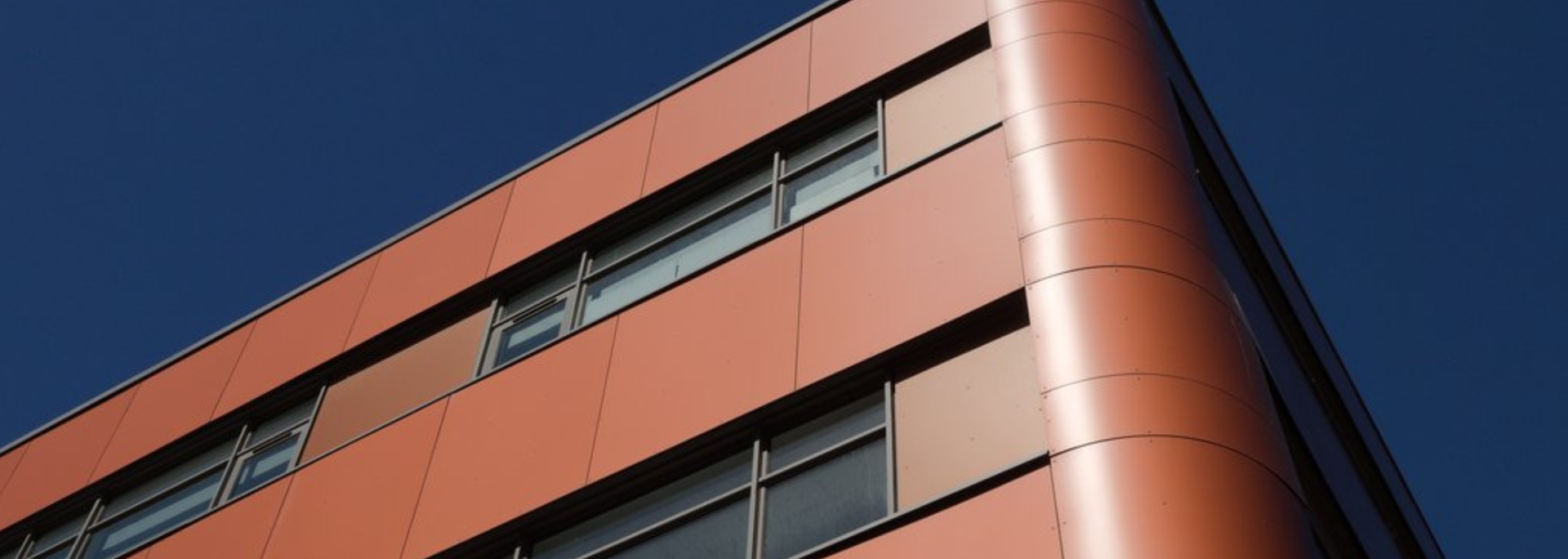
Picture of cladding.


The facade is the skin of the building and typically faces the street. Meanwhile, the cladding consists of a material layer over the facade. This could be metal, wood or stone.

How we can help

Here at Wrightstyle, our curtain wall glazing systems are made exclusively from steel. This is because we're firm believers in steel's inherent benefits, namely:

  • Strength
  • Allowance of high tolerances
  • High-performance spec
  • Fire resistance
  • The ability to create large free spans

Our curtain walls can be structural (load-bearing). They can also be fire-rated up to 120 minutes and used in large-span applications.


On top of this, we supply curtain wall glazing systems that are built for specialist purposes. This includes blast resistance and bullet resistance. All our blast-resistant and bullet-resistant products undergo extensive real-world testing – never simulations.


And because we strive to make compliance simple for our customers, all our products are extensively tested and certified to European standards. This gives you the peace of mind that your curtain wall system is high-quality and safe for building users.


Conclusion

The language surrounding curtain walls and facades can be confusing. At its simplest, however, a curtain wall is a specialised, non-structural facade system, whereas "facade" is a general term for a building's outer skin.


The complexity of curtain wall systems and facades is one key reason to always work with a supplier that prioritises clear communication.


A good supplier will answer all your questions quickly and clearly. If you feel they're dodging the question or hiding behind jargon, you're better off looking elsewhere.


For similar reasons, you should ensure that your supplier has ample experience with installations similar to the one you're aiming to achieve.


Finally, you should check that your curtain wall supplier offers aftercare and maintenance services. Without these, you could face unexpected costs down the line.


Are you looking for tested, compliant and high-quality external glazing systems backed by best-in-class technical support? Get in touch with Wrightstyle today for expert technical advice.

Share this article

Recent Posts

Does your building project involve a roofed glazing system? Explore essential specifications
by Simon Edward 12 June 2026
Does your building project involve a roofed glazing system? Explore essential specifications and considerations.
Curtain wall systems differ in functions, materials and assembly methods. Explore the applications
by Simon Edward 8 June 2026
Curtain wall systems differ in functions, materials and assembly methods. Explore the applications and differences of various curtain wall types.
Glazing jargon can be complicated. Learn the most important differences between a curtain wall,
by Simon Edward 29 May 2026
Glazing jargon can be complicated. Learn the most important differences between a curtain wall, a storefront and a window wall.
Is steel or aluminium best for a glazing system? Explore the pros, cons and differences in our guide
by Simon Edward 25 May 2026
Is steel or aluminium best for a glazing system? Explore the pros, cons and differences in our guide.
Blast-resistant glazing systems need to be performance-tested. Find out what this involves
by Simon Edward 22 May 2026
Blast-resistant glazing systems need to be performance-tested. Find out what this involves in our glazing system guide.
Glass-roofed atrium with steel beams and blue-tinted reflections in a modern building
by Simon Edward 18 May 2026
Explore 7 impressive internal glass facades that enhance natural light. Contact us for expert glazing solutions!
Person in a dark jacket with reflective stripes writing on a clipboard outdoors
by Simon Edward 15 May 2026
Understand UK fire regulations for glazing systems. Ensure compliance & safety in your projects. Contact us for expert guidance!
Blue glass building facade viewed from below with grid-like window panels
by Simon Edward 11 May 2026
Explore essential specifications for curtain wall systems. Ensure your project meets performance standards with Wrightstyle's expert solutions.
Cracked circular glass against a blue background, with a bright center and radiating fracture lines.
by Simon Edward 8 May 2026
Learn how bulletproof glass is made, from materials to testing. Contact Wrightstyle for high-specification glazing solutions.
Abstract mirrored glass facade with blue-gray geometric triangles and white panels
8 April 2026
Explore high-spec steel & glass systems for modern architecture. Contact us for expert support on your next project.
Show More