Powder coating for glazing systems: benefits and considerations

Simon Edward • 27 June 2026

Glazing systems are typically powder-coated for durability and aesthetic appeal. Explore the key benefits and considerations of powder coating.

Glazing systems are typically powder-coated for durability and aesthetic appeal. Explore the key benefits and considerations of powder coating.

Glazing systems are often installed externally. This means they need to be finished with a coating that protects them against corrosion caused by harsh weather.


Here at Wrightstyle, all our glazing systems are powder-coated. This includes our glazing systems for doors, windows, screens and curtain walls.

Powder coating is a high-performance finishing process used for both aluminium and steel systems. In our case, we work exclusively with steel because of its superior strength and suitability for large-span installations, among other benefits.


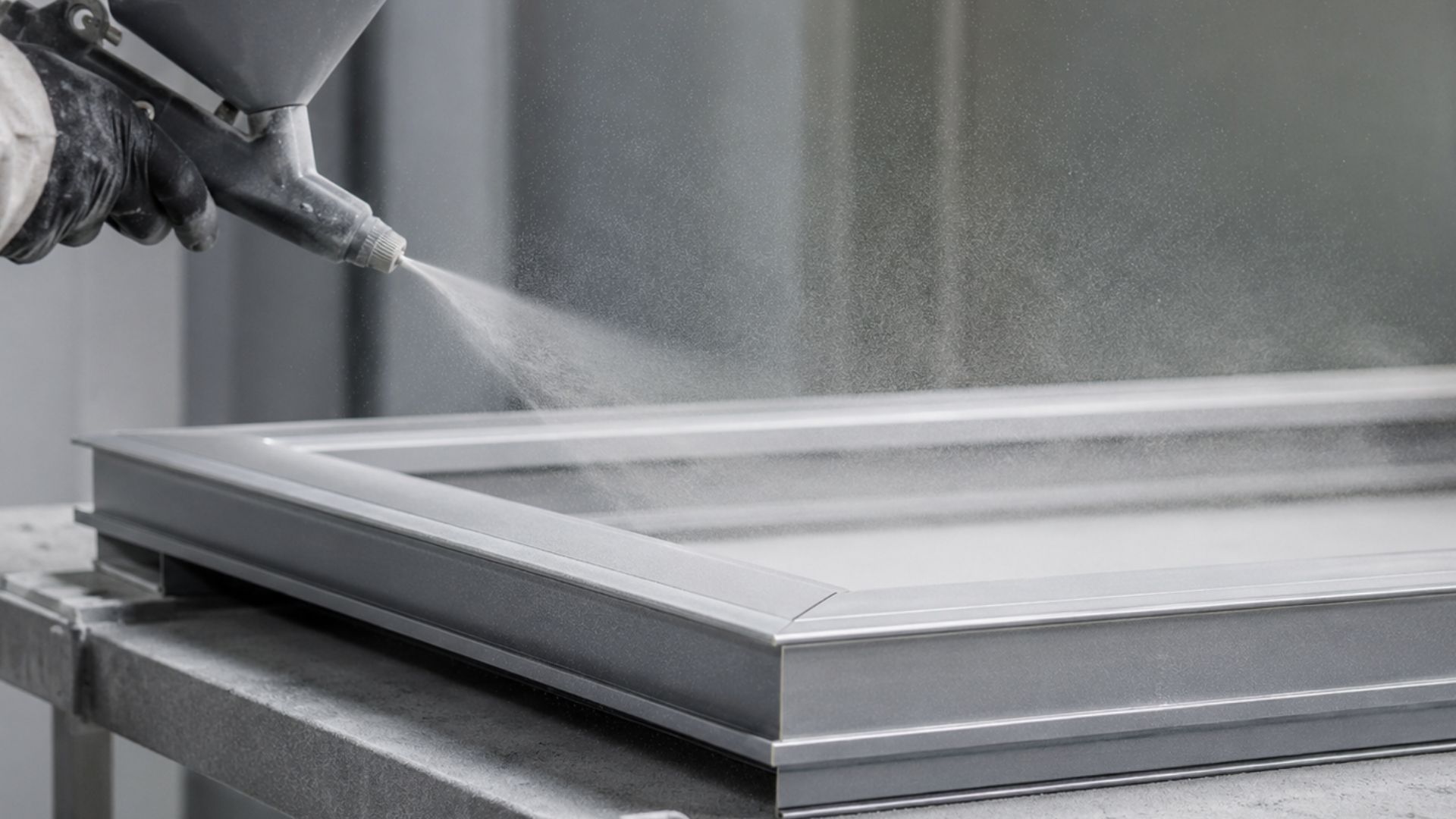
Powder coating involves applying dry polyester powder resin via an electrostatic spray. The powder is cured in an oven. The result is a durable, weather-resistant coating with the added benefit of being aesthetically versatile. Powder-coated glazing systems are available in a wide range of RAL colours.


For glazing systems, powder coating provides many benefits. We use it because of its superior durability, exceptional corrosion resistance and aesthetic versatility. On top of this, it's cost-effective, easy to maintain and eco-friendly.


In this article, we explore these benefits in more detail. We also look at some considerations to keep in mind when investing in a powder-coated glazing system for a door, window, screen or curtain wall.


What are the attributes of powder coating for glazing systems?

Powder coating involves electrostatically charging and then spray-applying dry powder particles to grounded metal frames. The priority is to create an even coating that sticks to the frame.


The powder is cured in an oven. This causes the powder to melt and flow into a solid and durable finish.


Powder coating is protective. It protects glazing systems of all kinds against UV rays, scratches and harsh weather conditions. 


So, you might argue, is liquid traditional paint. But powder coating is more protective, longer-lasting and more durable.


It's also environmentally friendly. This is because powder coating emits almost zero volatile organic compounds (VOCs). Moreover, oversprayed powder can be recycled.


At a time when sustainability is so high up the agenda of architects and designers, this environmental friendliness makes powder coating even more appealing as a protective coating against corrosion.


It's also highly versatile. Powder coating creates a consistent and uniform finish. Designers and glazing system manufacturers get to choose from a wide range of colours and gloss levels, including matte, metallic and anti-graffiti options.


What are the benefits of powder coating for glazing systems?

Durability and protection

The number one benefit of powder coating for glazing systems is its exceptional durability – and the exceptional protection it provides.


Powder coating creates a thick, hard finish – one that is far more resilient than traditional liquid paint. This helps protect your glazing system from scratches, dents and chipping.


It's also highly resistant to corrosion, making it the ideal choice for environments prone to harsh weather.


Aesthetic options


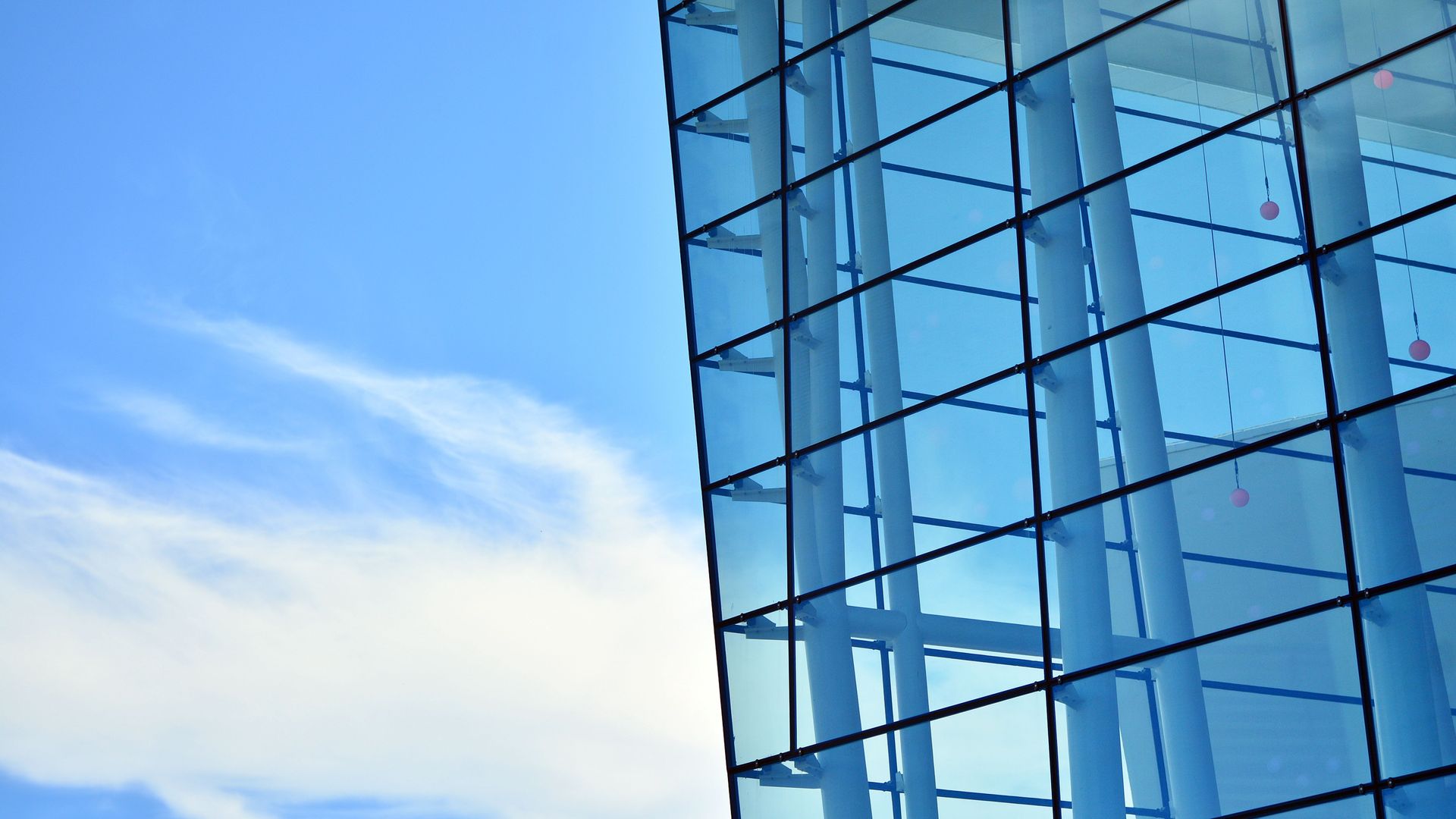
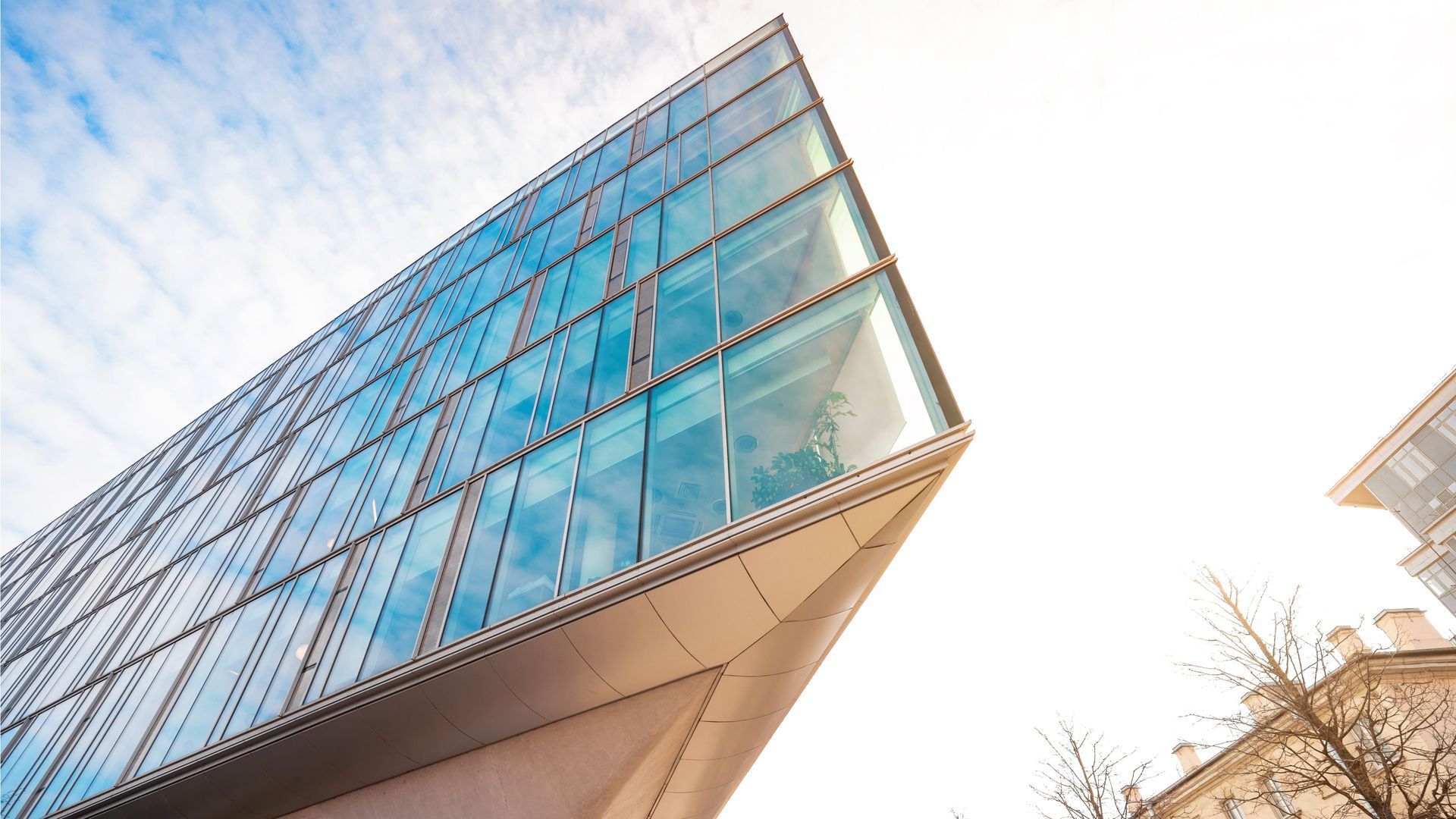
Picture of glazing on a building.

The second benefit of powder coating for glazing systems is the array of aesthetic choices it affords manufacturers and designers.


Powder coating for glazing systems is available in more than 200 standard RAL colours. On top of this, it can be supplied in specialised textures and finishes such as matte, satin and gloss.


This means glazing systems can be customised to complement a building's overall aesthetic. It's a great example of how modern glazing systems provide high levels of functionality without compromising visual finesse.


Coverage

Powder coating provides high levels of coverage. This means the whole glazing system is protected and coloured – even areas that appear hard to reach.


Cost-effectiveness

Once applied, powder coating is long-lasting, often lasting more than 30 years. This makes it a highly cost-effective solution. Unlike paint, you won't need to touch up your glazing system every few years to ensure complete coverage.


Ease of maintenance

Another benefit of powder coating for glazing systems is that it's very easy to maintain. Simply wash your glazing system regularly with water and it'll be looking as good as new for years – even decades.


Sustainability

In our view, the final benefit of powder coating for glazing systems is its eco-friendliness. This is because powder coating is free from VOCs and hazardous air pollutants (HAPs).


It's also more sustainable than liquid paint. This is because powder coating overspray can be collected and reused.

What should you keep in mind when specifying powder coating for glazing systems?

When investing in a powder-coated glazing system, there are a few things to keep in mind to ensure you're getting a product that's fit for purpose.

The main things to be sure of are that your powder-coated glazing system is adequately corrosion-resistant and UV-resistant.

There are a couple of ways to do this. First, you can check if the powder coating is in line with industrial quality standards such as AAMA and QUALICOAT.

Secondly, you can make sure you work with a good supplier. By "good", we mean a supplier that's run by experts and has experience supplying powder-coated glazing systems to a wide range of client groups.

Less crucially but still importantly, you can look into resin classes (1, 2 and 3) for different durabilities. If your powder-coated glazing system is going to be installed in a coastal area, you should also look into obtaining marine-grade coatings.

How we can help

At Wrightstyle, we supply high-quality glazing systems for windows, doors, screens and curtain walls. These are all powder-coated for corrosion resistance as well as tested and certified to meet all relevant industry standards.

What's more, we provide all our clients with best-in-class technical support from real experts. Whatever your own level of expertise, we can point you to the solution that best meets your project requirements.

So, if you're looking for modern glazing systems with high-performance powder coatings, don't hesitate to get in touch with our experts for comprehensive product advice.

Share this article

Recent Posts

How are curtain walls tested for wind, rain, impact and fire? Explore the methods and EN standards
by Simon Edward • 9 November 2026
How are curtain walls tested for wind, rain, impact and fire? Explore the methods and EN standards used to assess glazing system performance.
Are you specifying glazing for a hospital or healthcare building? Explore key considerations,
by Simon Edward • 6 November 2026
Are you specifying glazing for a hospital or healthcare building? Explore key considerations, from fire safety and acoustics to infection control.
Explore the differences between supply-only and fully fabricated glazing systems and the pros/cons
by Simon Edward • 2 November 2026
Explore the differences between supply-only and fully fabricated glazing systems and the pros and cons of each.
Considering window frame materials for a construction project? Learn about steel's strength,
by Simon Edward • 30 October 2026
Considering window frame materials for a construction project? Learn about steel's strength, aesthetic qualities and fire performance.
Sendzimir galvanising protects steel glazing systems against corrosion. Explore the science
by Simon Edward • 23 October 2026
Sendzimir galvanising protects steel glazing systems against corrosion. Explore the science behind the process and why it matters.
How long does fire-resistant glazing need to withstand fire? Explore the factors
by Simon Edward • 21 October 2026
How long does fire-resistant glazing need to withstand fire? Explore the factors that affect the required fire rating, from building use to location.
Fire-rated doors can be latched or unlatched. Find out what this means for your specification
by Simon Edward • 21 October 2026
Fire-rated doors can be latched or unlatched. Find out what this means for your specification process.
What makes a curtain wall? Explore the key components that form a curtain wall assembly
by Simon Edward • 12 October 2026
What makes a curtain wall? Explore the key components that form a curtain wall assembly and learn how the pieces fit together.
Are you specifying acoustic glass for a commercial building partition? Explore key considerations
by Simon Edward • 5 October 2026
Are you specifying acoustic glass for a commercial building partition? Explore key considerations in our guide.
Are you looking for a weather-resistant glazing system? Explore key specification considerations,
by Simon Edward • 28 September 2026
Are you looking for a weather-resistant glazing system? Explore key specification considerations, from wind loading to watertightness.
Show More