
Our blog

Stay informed on glazing systems, specialist glass and compliance with our blog. Expect expert advice and up-to-date industry commentary.

8 April 2026
Light and glass go hand in hand. Most building materials have weight and mass, whether concrete, a brick or a length of structural steel. There is, however, one building material that has neither weight nor mass.
8 April 2026
n a two-part article, Jane Embury, marketing director, looks at shopping centres fire safety.  We don’t often think about fire breaking out in our local shopping centre. However, let’s remember that in July a fire engulfed a shopping centre in Walthamstow, east London. And just last month, a serious fire broke out in a shopping centre in Douglas, County Cork. The fact is that retail fires account for about 10% of “large fire losses.” Of those, some 20% are in shopping centres. Many are started deliberately. In a shopping centre, responsibility for fire safety can be complex. The shopping centre management team will have responsibility for the communal areas.
8 April 2026
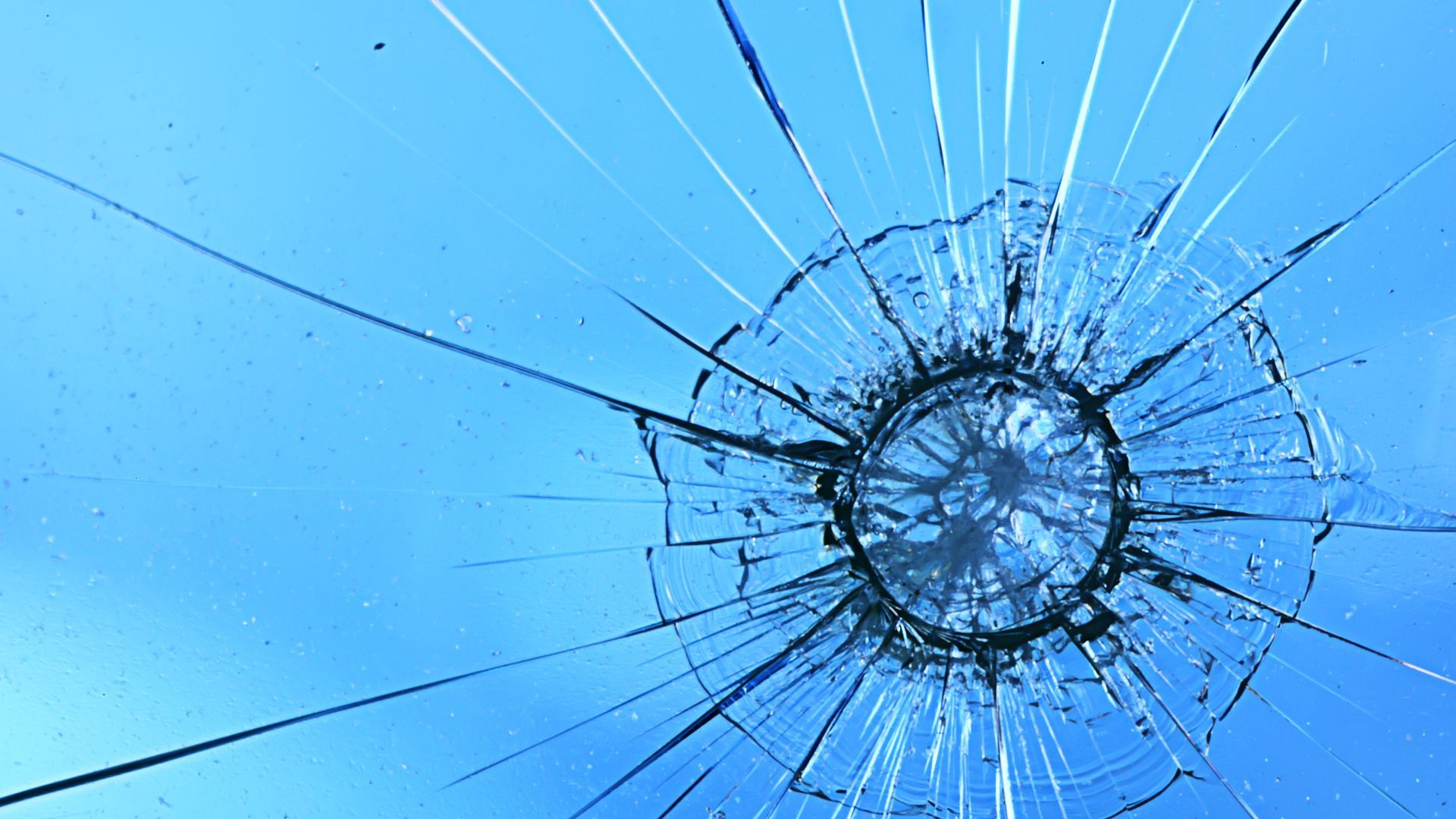
Many people think that bullet-proof glass is bullet proof, the answer is yes, but not necessarily. It depends on the protection level of the frame and the glass. As always, it comes down to a preliminary threat assessment, to determine the risk to both property and life. For example, the level of protection required for a government or military building will be higher than the local post office. When a bullet is fired at a sheet of bullet-resistant glass, it will penetrate the glass layers. But it’s the interlayer, or interlayers, of polycarbonate and polyurethane, or a mixture of both, sandwiched inside the glass that absorbs the projectile’s energy and prevents it going through.
8 April 2026
Wrightstyle supplied fire-rated systems to the iconic King’s Cross redevelopment in London, both to the station itself and surrounding projects. Wrightstyle’s managing director, Tim Kempster, remembers events of 30 years ago. The term “codifying by disaster” has a long and dishonourable history. It’s the term used to to describe how advances in safety regulations and fire-rated systems often only come about following appalling tragedy. In a year which has seen the Grenfell Tower disaster, and new regulations will inevitably be brought in, it’s worth remembering a London train station tragedy thirty years ago that claimed the lives of 31 people. However, what marks the King’s Cross fire as different in scope and scale is that, not only did it lead to better fire safety regulation, it helped us all better understand an unknown dynamic in how a small fire can become a conflagration. King’s Cross station, completed in 1852 on the site of a former smallpox hospital, is reputedly haunted by the ghost of Queen Boudicca and is the railway station from which, as every Harry Potter fan knows, you catch the train for Hogwarts. The station handles nearly 50 million station users each year and, inevitably, security is of paramount importance, not least because of the 2005 bombing outrage, which killed 52 people, with the four bombers traveling into King’s Cross before carrying out their murderous attacks. Although it remains the worst terrorist attack in London, it wasn’t the first at the station. In 1973, a Provisional IRA bomb also detonated in King’s Cross’s booking hall, injuring six people, several seriously.
8 April 2026
Wrightstyle’s Technical Director, Lee Coates, takes a deeper look at the Bradford City fire (at the football stadium) and the consequences.