


What is a curtain wall? A guide for architects and contractors
Do you need to specify a curtain wall for a building project? Get to grips with the basics of these architectural mainstays.

Becoming an architect or contractor can be like learning a new language. The deeper you go into the subject, the more precise the language becomes.
That means understanding common terminology is a must if you're going to specify exactly the right materials for the job.
Take the case of curtain walls.
What is a curtain wall?
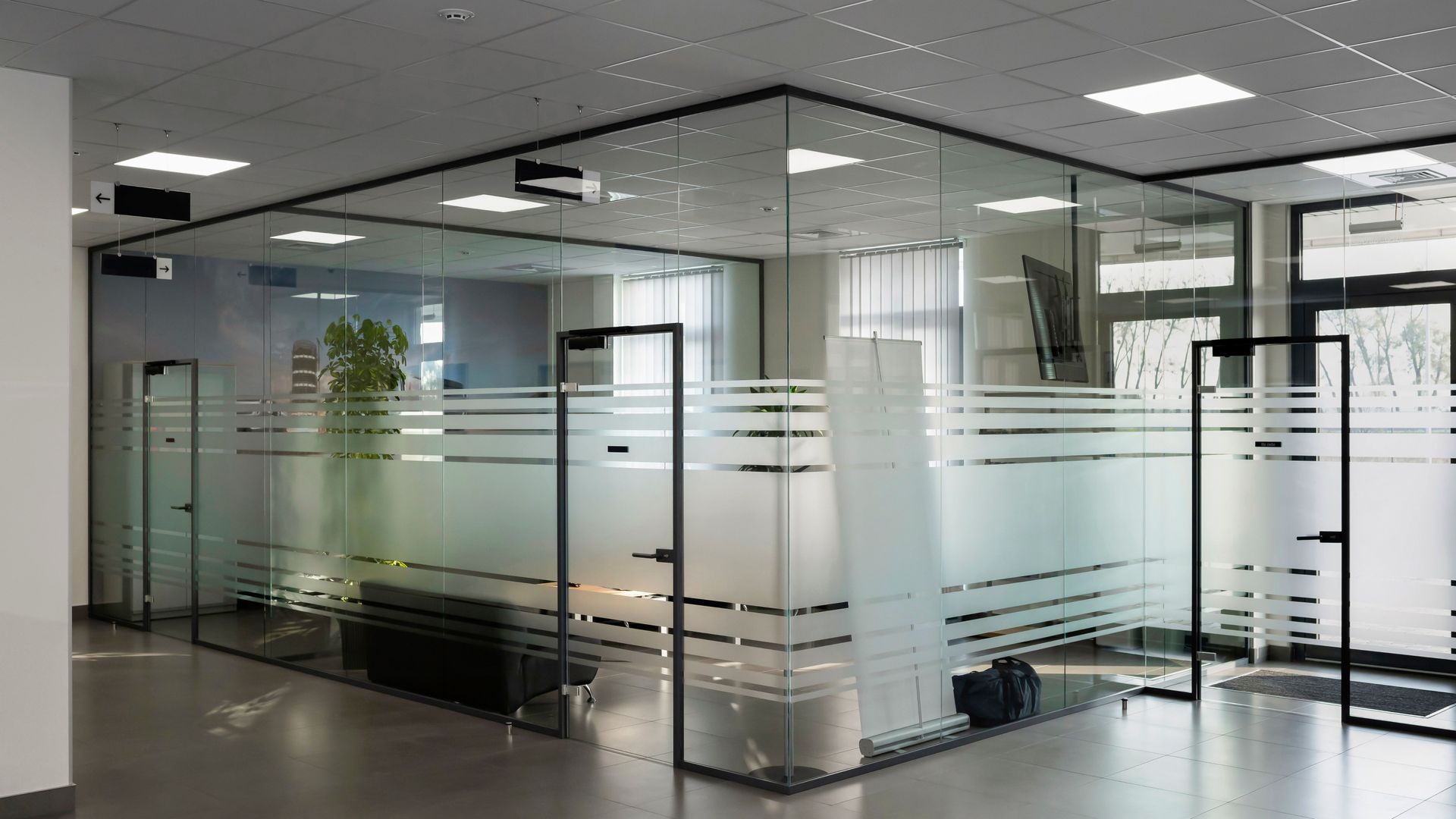
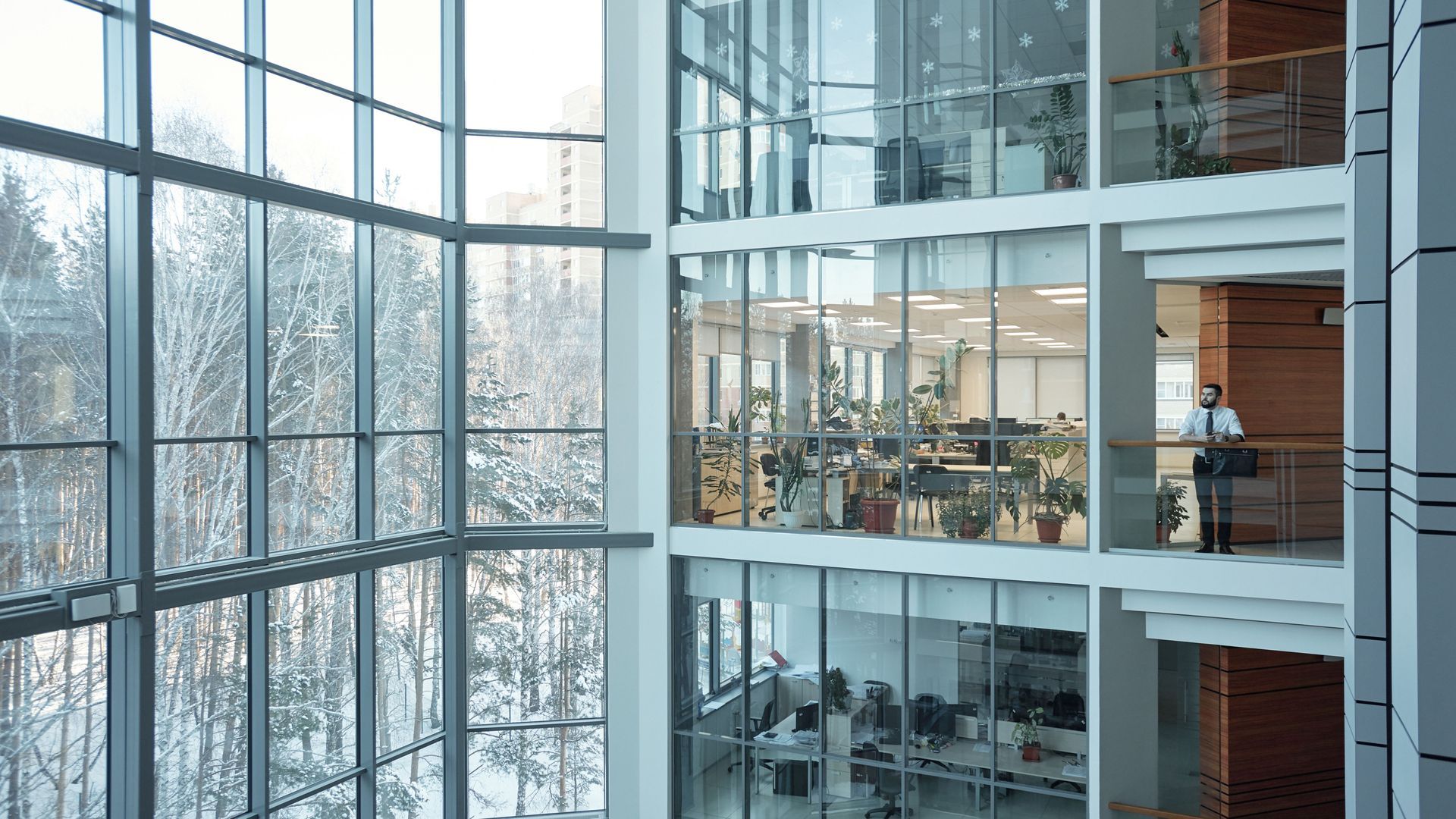
A curtain wall is a non-structural exterior wall system. Rather than bearing a building's weight, it hangs from the structural frame, unattached to floor or roof slabs.
It's primarily used in multi-storey buildings. The single-storey equivalent is usually known as a "facade".
Curtain walls are non-load-bearing. That means they only support their own weight and environmental loads, such as wind.
Here at Wrightstyle, we provide architects and contractors with highly durable steel curtain wall glazing systems. We also provide specialised systems constructed to resist fire, blasts and bullets.
What is a curtain wall made from?
Because they hang from building structures and are non-structural, curtain walls can be lightweight. That's why they're primarily made from aluminium frames (mullions and transoms) with glass infills.
At Wrightstyle, however, all our curtain wall systems are made from steel and glass. That's because we're firm believers in the superior strength, tolerance and large-span capability of steel.
The quality of the materials matters. A good curtain wall system made from good materials will provide a weather-resistant and energy-efficient building envelope.
Are curtain walls always non-load-bearing?
By definition, curtain walls carry their dead-load weight and transfer wind and other environmental loads to the main building structure. This makes them intrinsically non-load-bearing structures.
They don't support the roof or floor. Instead, they act as a facade system (one reason they're sometimes conflated with facades). They can accommodate movements such as thermal contraction, expansion and sway.
Their non-load-bearing nature determines the materials used to make them. Because they're lightweight, they can be made from aluminium or steel and glass infills.
How does a curtain wall protect a building?

Curtain walls have this in common with curtains and walls: they all act as barriers. In the case of a curtain wall, the barrier is between the building interior and the exterior environment.
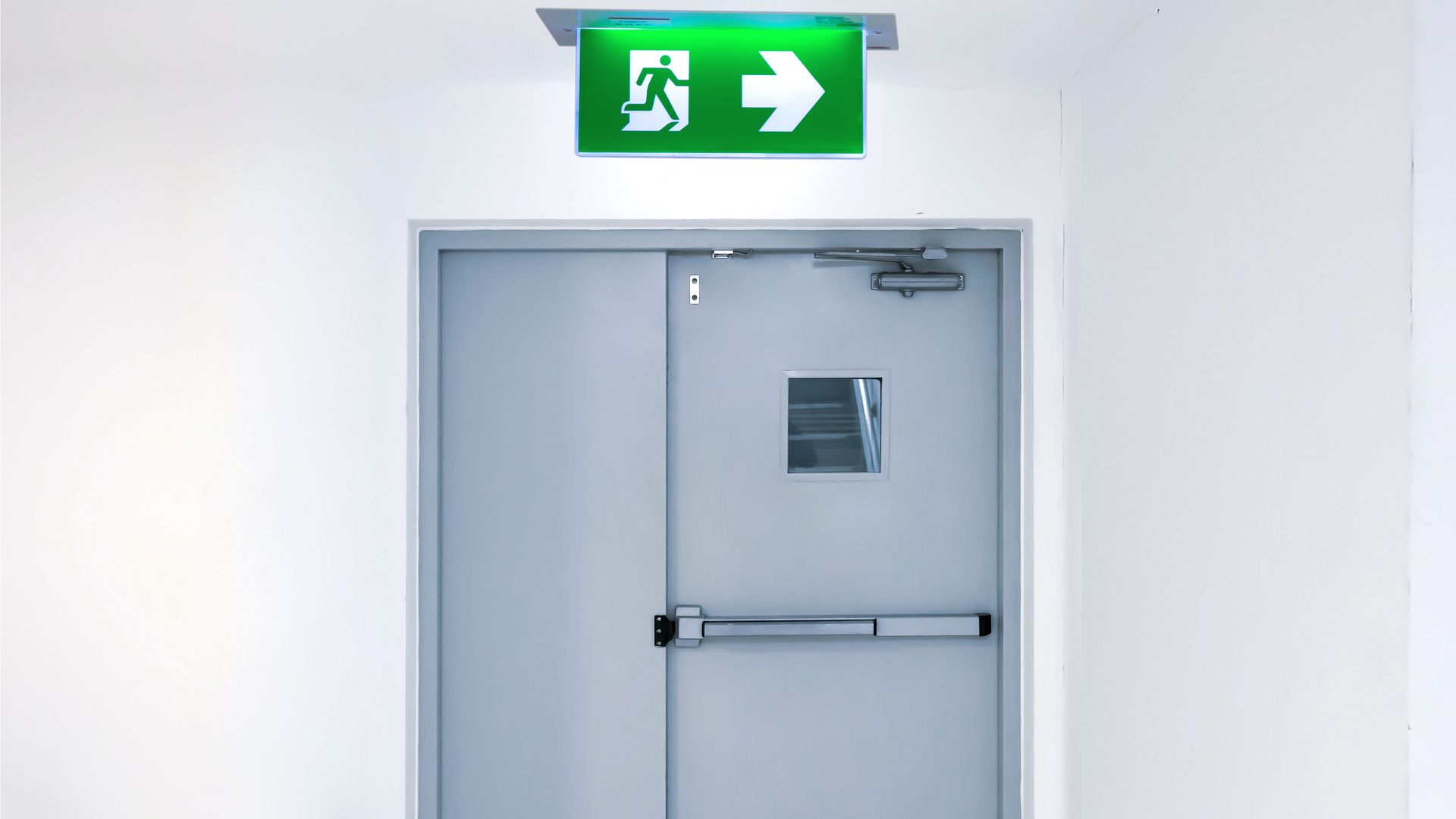
So, curtain walls protect buildings from wind, rain and harmful temperature changes. When fire-rated, they also protect from fire and the spread of smoke.
What kinds of curtain walls are available?
There are two ways to answer this question. The first distinguishes how curtain walls are delivered to a building site. The other refers to specialised functions, where the glazing system is built to protect against a specific threat.
Curtain wall delivery options
Curtain walls can be delivered either as stick systems, unitised systems or semi-unitised systems. A stick system is installed piece by piece on site, whereas a unitised system is pre-assembled in the factory and shipped as a whole to the construction site.
Specialised curtain walls
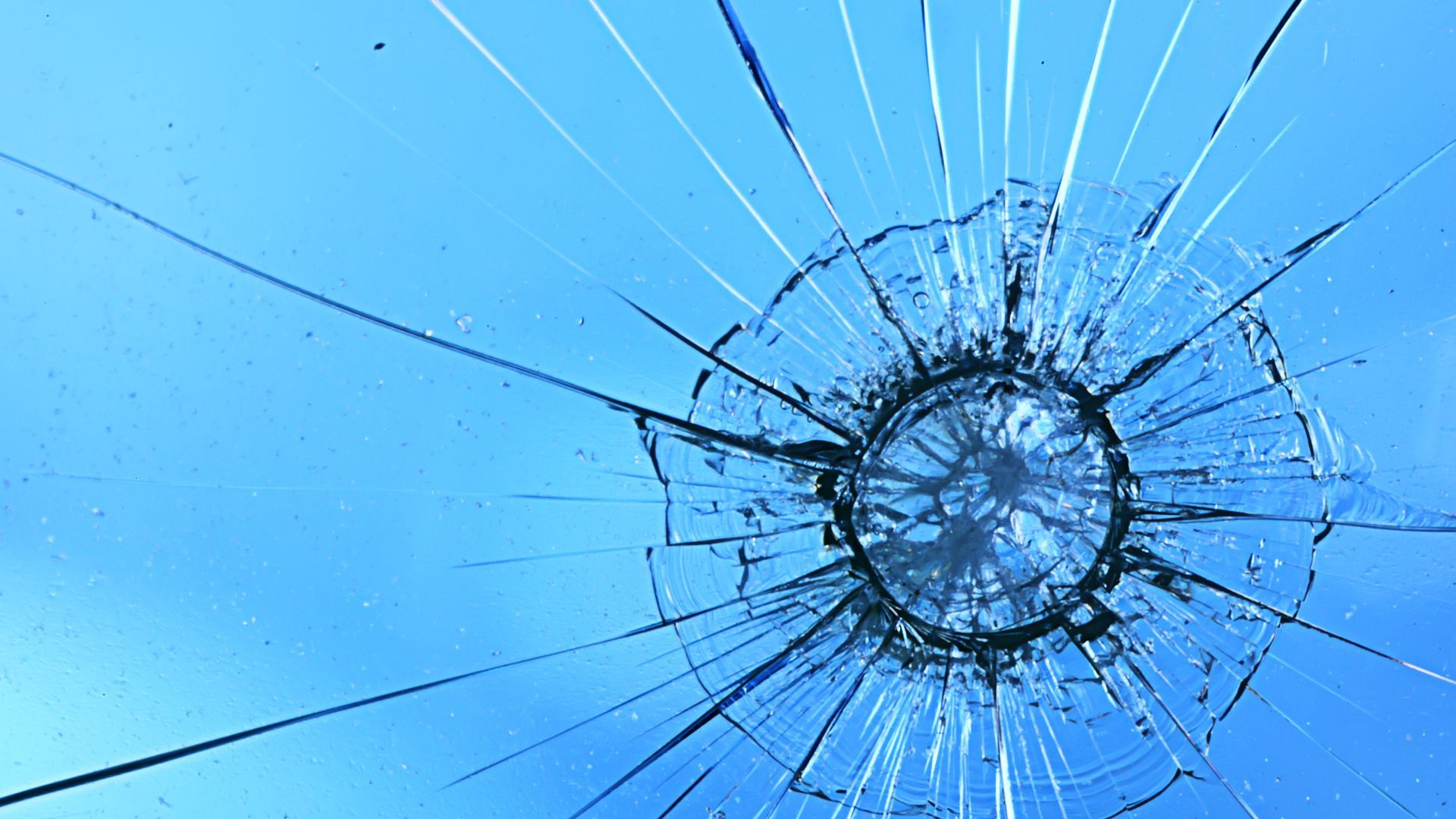
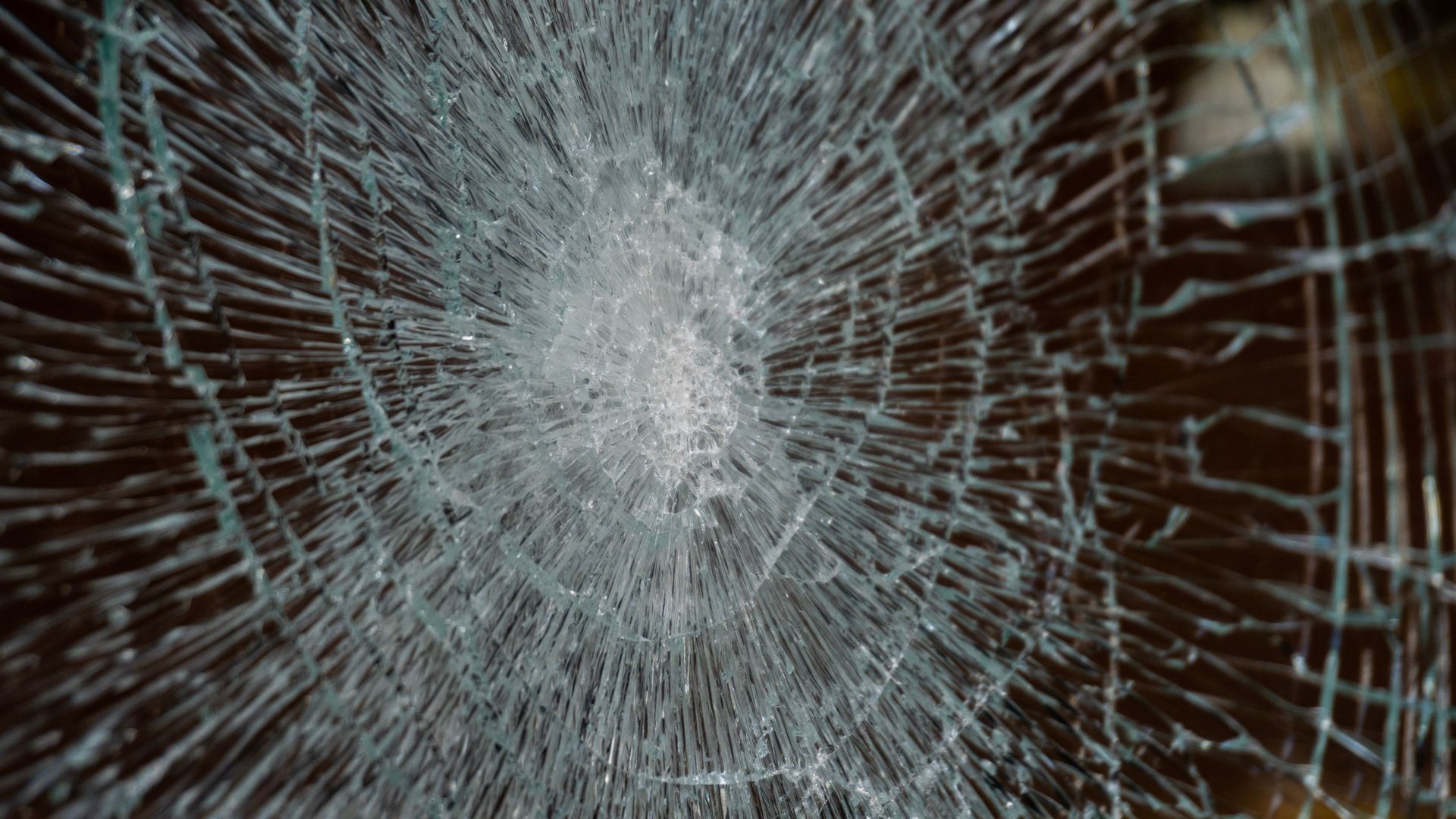
Curtain wall glazing systems can be manufactured to protect against specific threats: namely blast-resistant curtain walls, bullet-resistant curtain walls and fire-rated curtain walls.
All are made from aluminium or steel, plus glass. However, both the glass and the frames are specially made for specialised protection.
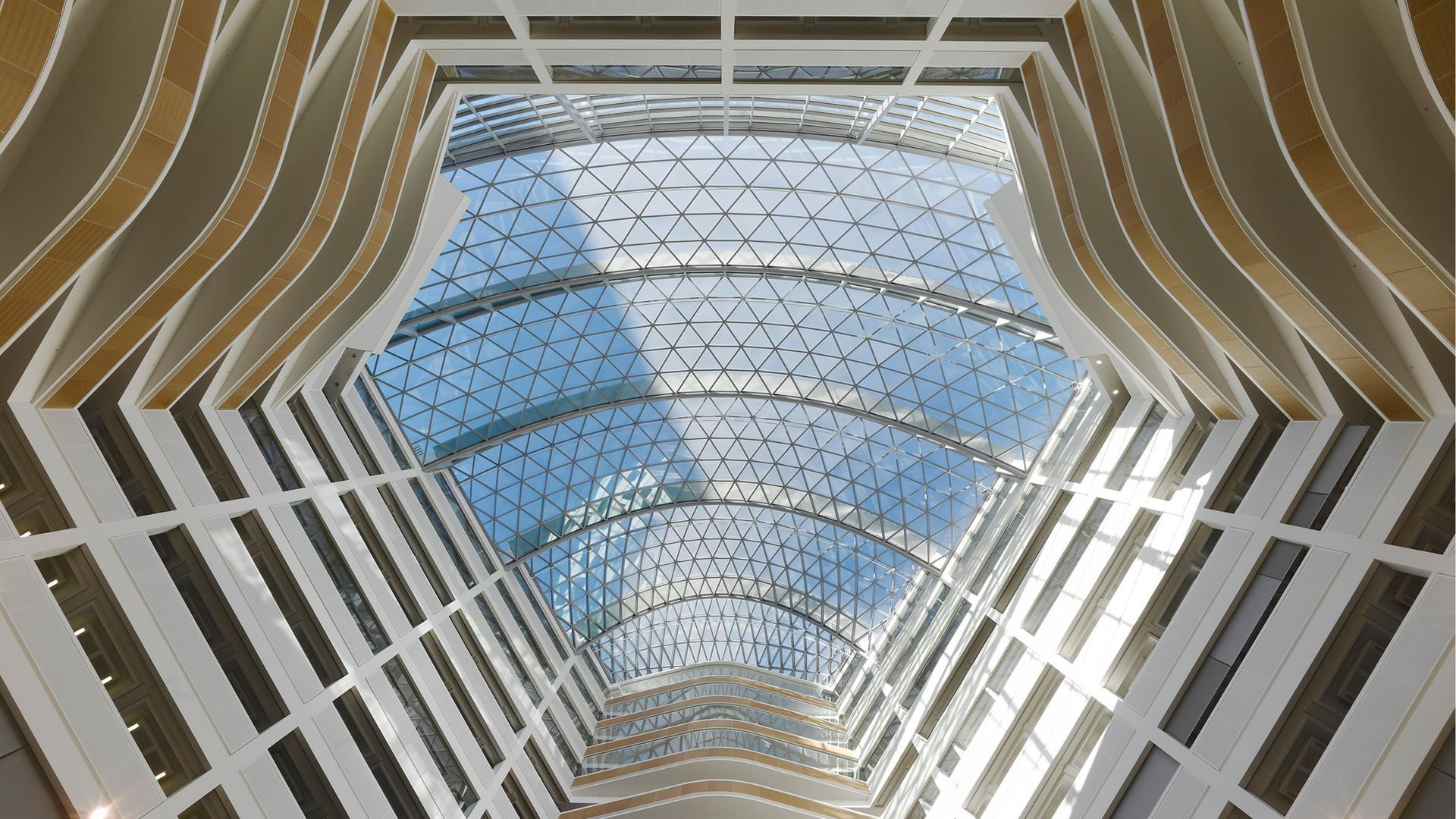
Finally, there are large-span curtain walls. These are designed so that their glazing covers expansive areas. They're often eight or more metres high and are often found in tall commercial atriums and building facades.
How are curtain walls tested?
Curtain wall systems are tested by putting to-scale mock-ups into lab or field simulations. These will measure the system's performance and check that it meets industry standards for watertightness, airtightness and structural integrity.
In the case of specialist curtain walls, the systems are exposed to simulations of fire, bullets or bombs.
What's the difference between a curtain wall and a facade?
Sometimes, the terms "curtain wall" and "facade" are used interchangeably. In fact, all curtain walls are facades, but many facades aren't curtain walls.
This is because the facade is the entire exterior face of a building. A curtain wall, by contrast, is a specific non-structural variety of facade.
What are the benefits of a curtain wall system?

There's a reason curtain walls are so popular in the construction of multi-storey buildings. As well as being strong and lightweight, they're aesthetically pleasing, they maximise natural light, they're weather-resistant and they're energy-efficient.
Aesthetic appeal
Most architects and contractors would agree that aesthetics matter. A standard curtain wall system gives a building a sleek and modern look.
Daylighting
The sleek, modern surface of a curtain wall maximises daylight entering the building.
This increase in daylight has two advantages. First, it makes the interiors more welcoming and better for staff morale. Secondly, it reduces the need for artificial lighting, driving down energy costs along with the company's carbon footprint.
Weather resistance
Curtain walls are weather-resistant, meaning they're airtight and watertight, protecting building occupants from the elements.
Energy efficiency
These days, energy efficiency is high up on the agendas of architects and contractors. This is partly because of official guidance and partly because of the importance of sustainability for company reputations.
Curtain wall glazing systems are no exception. They use high-performance and thermally broken steel frames to reduce the building user's energy costs.
"Thermally broken" means that an insulating material (typically polyamide or polyurethane) has been inserted between the interior and exterior metal frames of the curtain wall. This prevents the aluminium or steel from acting as a thermal bridge, minimising heat transfer and boosting energy efficiency.
Wrightstyle: a UK curtain wall supplier with industry-leading support
If curtain walls and glazing systems are new to you, don't worry. You're in safe hands with Wrightstyle.
We've been trusted in the UK since 1996. When you work with us, you can have confidence that our products meet and exceed industry expectations.
And just as importantly, you can have confidence in our expertise. We provide an industry-leading technical support service. So, if you're unsure exactly what you need, we're ready to help.
Why not contact us to discuss your needs in detail? You can reach our team online or at +44 (0)203 150 4675.