


Weatherproof glazing: protecting from wind, rain and impact

Simon Edward • 28 September 2026

Are you looking for a weather-resistant glazing system? Explore key specification considerations, from wind loading to watertightness.


Are you looking for a weather-resistant glazing system? Explore key specification considerations, from wind loading to watertightness.

A glazing system for a curtain wall, door, window or fixed light needs to do many things at once. It must be structurally sound and thermally efficient. And it must provide the right level of weather resistance for its environment.


All external glazing systems need to protect a building from the elements. But the demands placed on them can vary considerably depending on factors such as the building's height, location and exposure.


Three key aspects of weather performance are wind resistance, watertightness and air permeability. Impact resistance is a separate consideration that may also be important, depending on project requirements.


In this article, we explore all four: what they mean, how they're tested and which standards apply.


Wind loading

Glazing systems must be engineered to handle the wind loads they're likely to experience. This is especially important for, but not exclusive to, large-span applications with heavy glass panes.


Here at Wrightstyle, our steel glazing systems are rated for a permitted load of 2.0 kN/m² on vertical facades and roof lights at a two-degree pitch. Upgraded ratings can handle loads of 3.0 kN/m².


Our large-span glazing systems are designed to reduce structural clutter while maintaining stability against wind pressures.


Watertightness

Watertightness is achieved through careful system design, including effective seals, gaskets and drainage.

At Wrightstyle, our vertical facades are tested to EN 12154 and EN 13050 for:


  • Static watertightness up to 1650 Pa (RE class)
  • Dynamic watertightness up to 750 Pa

Meanwhile, our two-degree-pitch roof lights are tested for static watertightness up to 1350 Pa.


Our systems are double sealed. Polyisobutylene primary seals help prevent moisture ingress into the unit, while a silicone or polysulphide secondary seal provides additional protection and structural integrity.


We also use twin rebate gaskets and specialised pressure plates to keep joints sealed, even in harsh weather.

Air permeability


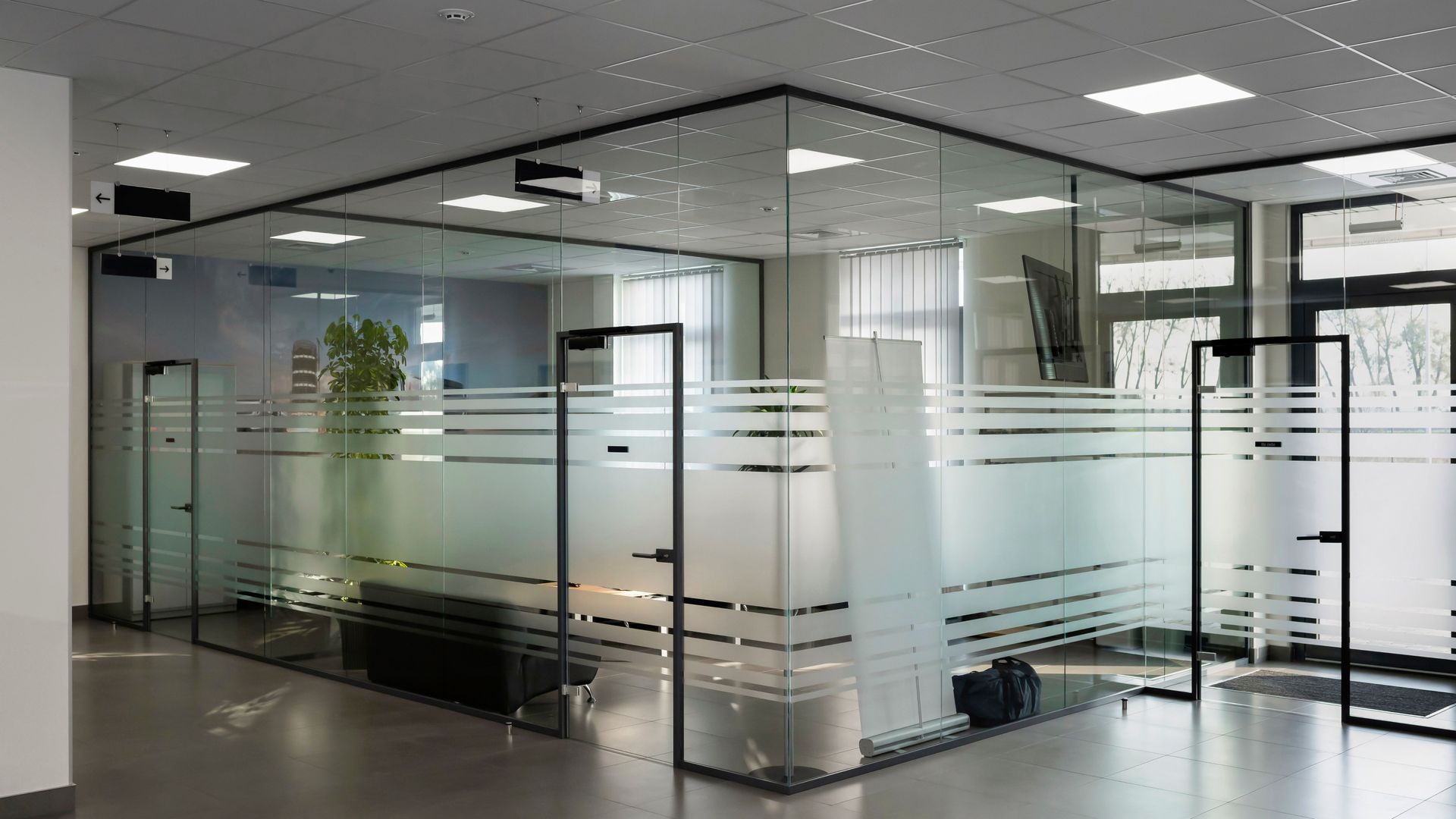
Picture of a glass wall.


Air permeability measures how much air passes through a glazing system under pressure. Controlling unwanted air leakage helps protect occupant comfort and contributes to the facade's overall weather performance.


Curtain walling is classified for air permeability under EN 12152. At Wrightstyle, our vertical facades and two-degree-pitch roof lights achieve an AE rating (>600 Pa).


Impact resistance

Impact resistance is another important consideration when specifying glazing. Unlike wind resistance, watertightness and air permeability, it isn't strictly a measure of weatherproofing. Instead, it considers how the glazing system performs under impact.


At Wrightstyle, our systems use high-strength steel framing and can incorporate glass selected to meet the impact requirements of the application.


For curtain walling, EN 14019 sets out requirements for impact resistance. The test considers the performance of the curtain wall when subjected to sudden impact forces, helping assess its safety in use.


Glass itself can also be classified for impact performance under BS EN 12600. This uses a pendulum test to simulate accidental human impact with the glass.


A twin-tyre, soft-bodied impactor is swung into the glass from different drop heights. These are 190mm, 450mm and 1,200mm.


The resulting classification takes account of both the drop height and how the glass behaves when it breaks:

  • Type A describes breakage producing separate fragments, including larger sharp-edged pieces.
  • Type B describes glass that cracks but whose fragments remain together, as is typical of laminated glass.
  • Type C describes glass that disintegrates into a large number of relatively harmless small particles, as is typical of toughened glass.

Class 1 represents the highest drop height of 1,200mm, followed by Class 2 at 450mm and Class 3 at 190mm. This forms part of classifications such as 1B1, 2B2 and 3B3.


At Wrightstyle, our glazing systems are tested as complete assemblies where required. That means taking account of the frame, glass, beads, seals and gaskets rather than considering individual components in isolation.


What do the EN test numbers mean in practical terms?


Picture of someone looking through a document.


EN standards provide standardised ways to test and classify different aspects of glazing performance. The applicable standards and classifications depend on the type of product being specified.

For curtain walling, air permeability is classified under EN 12152. Testing determines how much air passes through fixed and openable parts of the curtain wall under positive and negative air pressure.


Watertightness is assessed by exposing the system to water while applying air pressure. EN 12154 covers watertightness performance and classification for curtain walling, while EN 13050 provides an additional test method using dynamic air pressure and water spray.


Resistance to wind load considers whether the system can withstand the positive and negative pressures it may experience in use. For curtain walling, this performance is covered by standards including EN 13116.


Impact performance is assessed separately. As we've seen, BS EN 12600 classifies the impact performance and breakage behaviour of glass, while EN 14019 deals with impact resistance in curtain walling.


The numbers themselves are useful, but the important consideration is whether the tested performance is appropriate for the building. A glazing system for a sheltered, low-rise application may face very different demands from one installed on an exposed high-rise or coastal site.


How do glazing systems stop leaks?

Glazing systems stop water ingress through a combination of seals, gaskets and carefully designed drainage paths.

In curtain walling, systems may also use pressure equalisation and internal drainage to manage any water that gets beyond the outer seals and direct it safely back outside.


What's the difference between wet and dry glazing?

Wet glazing uses liquid sealants such as structural silicone as part of the glazing system. Dry glazing uses preformed gaskets to hold and seal the glass.

The right approach depends on the glazing system, its design and the performance requirements of the project.

Wrightstyle is a UK manufacturer of weatherproof windows, doors and curtain wall systems. Need advice before you specify? Get in touch with our experts for best-in-class technical support.


Share this article

Recent Posts

Are you an architect preparing to specify fire-rated glazing? Learn the key facts
by Simon Edward • 18 September 2026
Are you an architect preparing to specify fire-rated glazing? Learn the key facts about rating classifications, glass types and more.

How do you know if a glazing system is fit for purpose? It's partly a case of testing. Explore
by Simon Edward • 14 September 2026
How do you know if a glazing system is fit for purpose? It's partly a case of testing. Explore the benefits of real-world tests in our guide.
Are you responsible for specifying glass adjacent to a fire escape route? Explore key regulations
by Simon Edward • 11 September 2026
Are you responsible for specifying glass adjacent to a fire escape route? Explore key regulations and considerations.

Specifying bullet-resistant doors and screens requires careful consideration.
by Simon Edward • 7 September 2026
Specifying bullet-resistant doors and screens requires careful consideration. Learn key specification criteria and how our experts can help.

Do you need a glazing system for an atrium, covered walkway or glass-roofed extension? Explore
by Simon Edward • 4 September 2026
Do you need a glazing system for an atrium, covered walkway or glass-roofed extension? Explore your options in our industry guide.

BS 476 and EN 1364 are important standards for fire safety in construction. Find out what they mean
by Simon Edward • 28 August 2026
BS 476 and EN 1364 are important standards for fire safety in construction. Find out what they mean for your project.

Thermal efficiency is an increasingly important factor in glazing. Learn the jargon
by Simon Edward • 24 August 2026
Thermal efficiency is an increasingly important factor in glazing. Learn the jargon, the basics and key compliance considerations.
Here's a quick-reference guide to fire door regulations in the UK. Learn about key documents,
by Simon Edward • 21 August 2026
Here's a quick-reference guide to fire door regulations in the UK. Learn about key documents, fire safety ratings, testing frameworks and more.

Does your building project need anti-bandit, blast or ballistic glass? Explore your options
by Simon Edward • 17 August 2026
Does your building project need anti-bandit, blast or ballistic glass? Explore your options in our industry guide.
Are you looking for a glazing system for an office fit-out? Explore key use cases
by Simon Edward • 14 August 2026
Are you looking for a glazing system for an office fit-out? Explore key use cases and learn what you need to know before you specify.
Show More