Here are five common mistakes that architects make when specifying fire-rated glazing.
- Specifying fire-protective glass (integrity only) in locations that need fire-resistive glass (integrity and insulation).
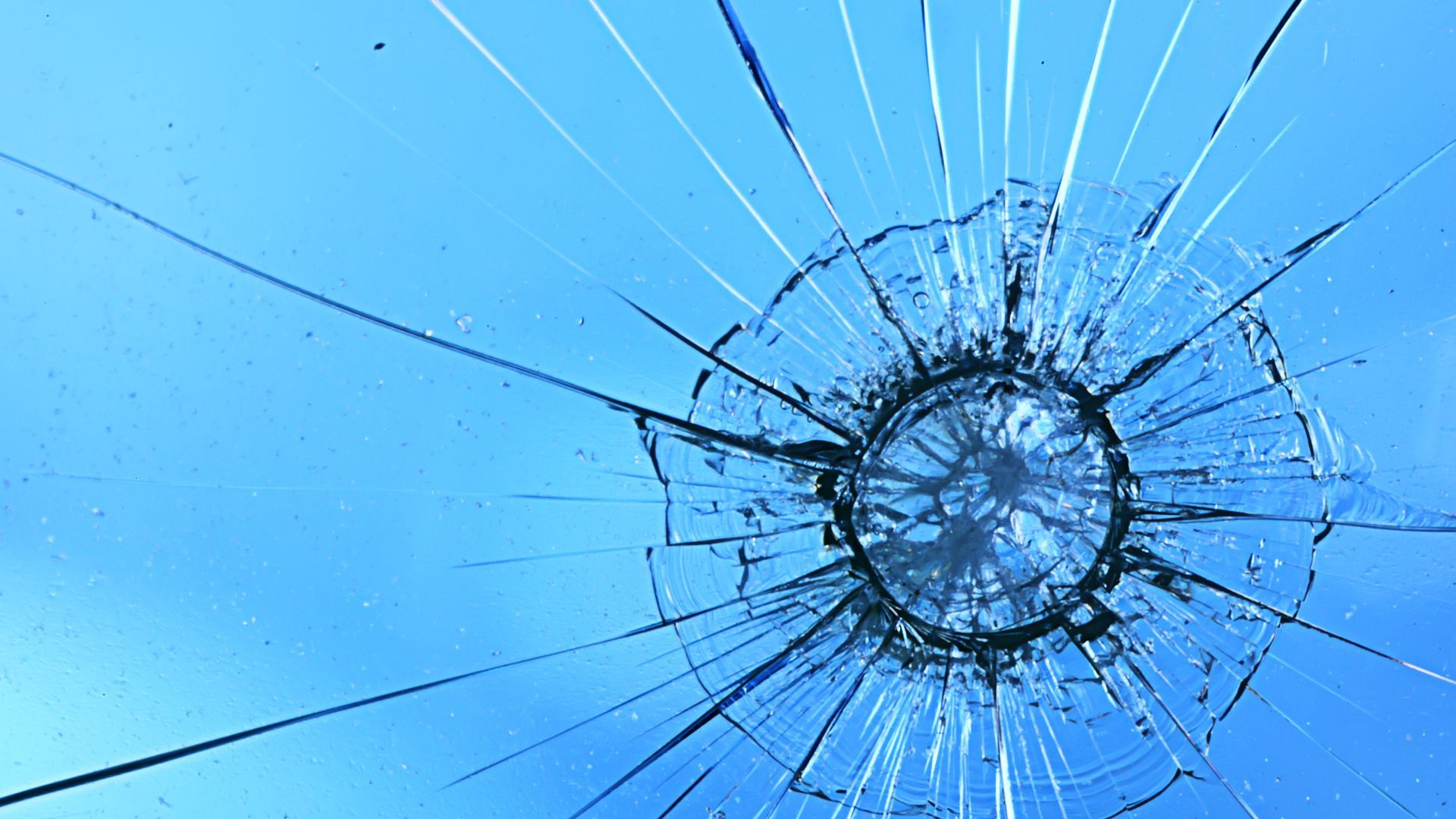
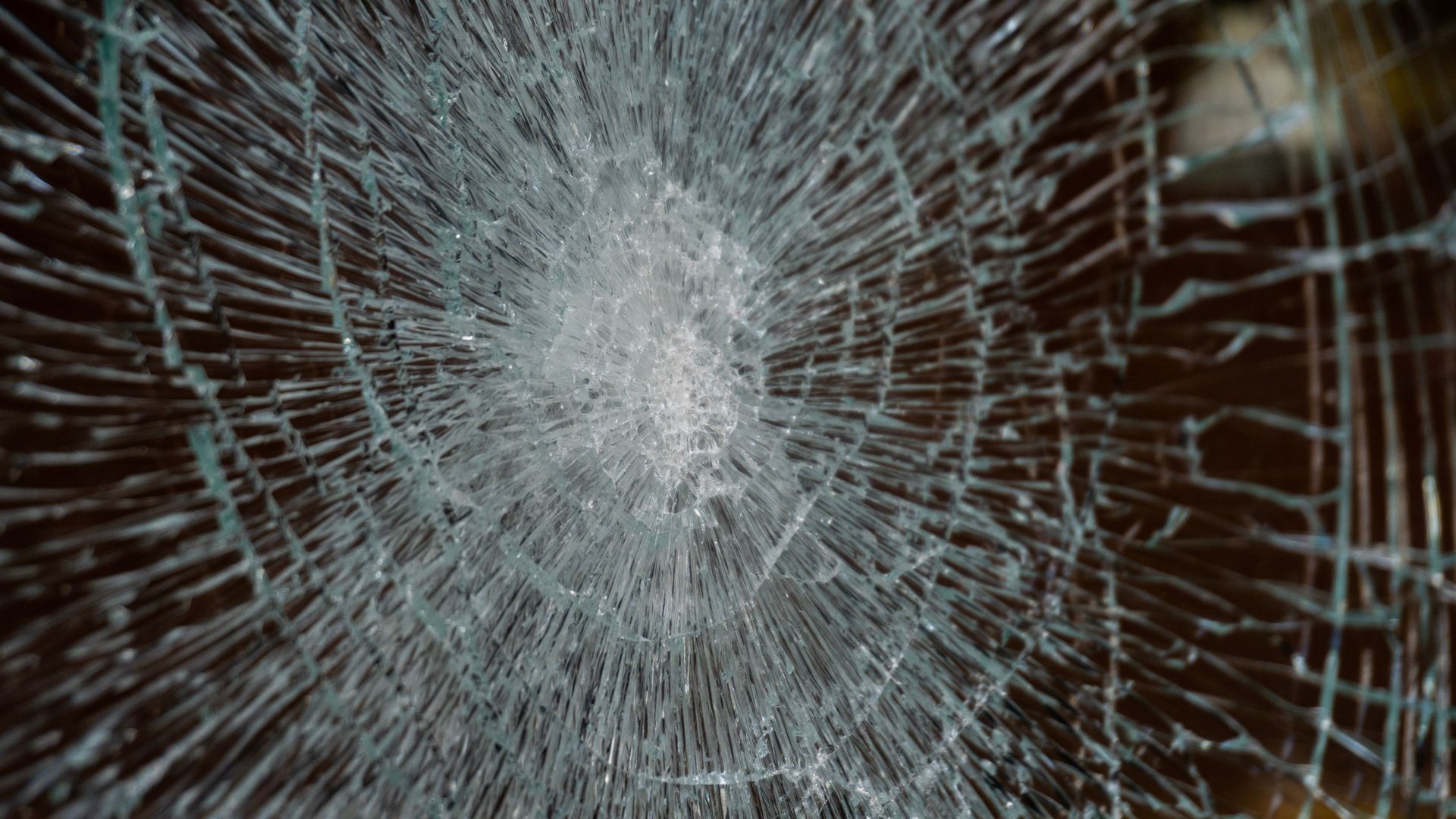
- Assuming that standard toughened or laminated glass meets fire-rating standards. In fact, these will crack and fail under thermal stress.
- Mismatching glass and glazing systems. Remember that the whole assembly (glass, gaskets, framing, anchoring) must be tested and listed together as a complete system. An unrated or incorrect frame will invalidate the compliance of the fire-rated glass.
- Exceeding maximum dimensions for vision panels. These limits are determined by the door leaf's fire-test evidence, certification and manufacturer guidelines.
- In the USA, fire-rated glass must carry a W (hose stream test) designation. This doesn't apply in the UK or Europe.
Performance vs aesthetic trade-offs
Sometimes, architects face trade-offs between aesthetics and performance. This is less and less the case with glazing systems like ours, which have slim, attractive sightlines and high-quality finishes. Nevertheless, the following trade-offs can be an issue during the specification process.
Glass appearance
EI-rated glass can be thick, heavy and subtly tinted under some lighting. This can be a trade-off as EI-rated glass offers superior safety against the spread of fire, smoke and radiant heat.
Conversely, architects who specify clear ceramic or polished wired alternatives get glass that closely resembles standard annealed glass but lacks EI-rated glass's higher performance spec.
Glass size
UK Building Regulations limit the size of some applications of fire-protective glass. This can affect decisions at the design stage.
Profile appearance
Here at Wrightstyle, our sightlines are narrow, even in large-span, uninterrupted applications. Other providers, however, will give you fire-rated glazing systems that have unappealingly bulky profiles.
If you buy
high-performance glazing systems and work with skilled, experienced installers, these trade-offs shouldn't be a problem. However, they're worth bearing in mind during the design and specification stages to avoid disappointment and delays.
How we can help
At Wrighstyle, we pride ourselves on assisting clients of all kinds with technical enquiries.
We regularly navigate our clients through the specification process. This includes a full estimating package for supply-only, fabricated goods and fabricated goods with glass.
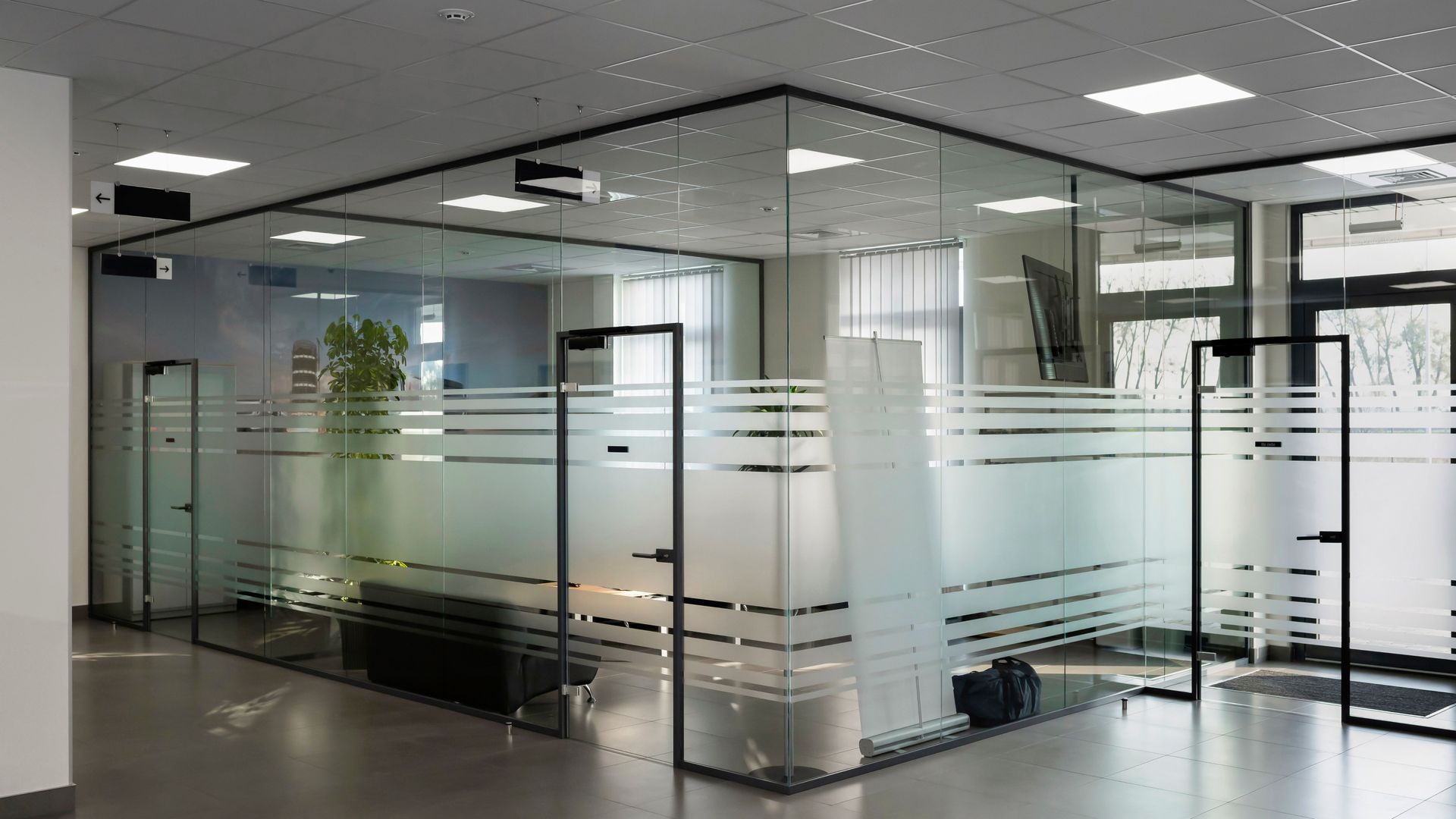
We also provide project details and design assistance, including 3D images to help you visualise the fire-rated glazing in context.
Last but not least, we provide architectural specification management. This involves organising, updating and monitoring technical documents that dictate the materials and standards for your architectural project.
All this adds up to compliance, stakeholder alignment and clear performance standards.
So, if you have any doubts about the specification process,
get in touch. We'd be delighted to help.
What's the difference between fire-rated glass and safety glass?
Safety glass is a family of glass products that resist impact and are designed to break safely. The two main kinds are laminated glass and toughened glass. These offer no inherent fire protection.
Fire-rated glass, by contrast, is specifically manufactured to withstand high thermal stress and to block the passage of fire, hot gases and – in the case of EI glass – radiant heat.
It often includes clear intumescent (swelling) interlayers that expand when they reach a certain temperature. This gives people more time to evacuate and emergency services longer to respond.
Are you looking for high-quality fire-rated glazing systems for doors, windows, screens or curtain walls?
Get in touch with Wrightstyle today for comprehensive product advice.