Large-span glazing has been around since at least the mid-19th century, when cast cylinder sheets were used in the construction of London's Crystal Palace. This legendary building used the largest dimensions available at the time: 49 by 10 inches (around 124cm x 25cm).
In the intervening years, spans have increased, and the introduction of structural silicone glazing (SSG) has allowed large-span glass to be installed without bulky metal frames.
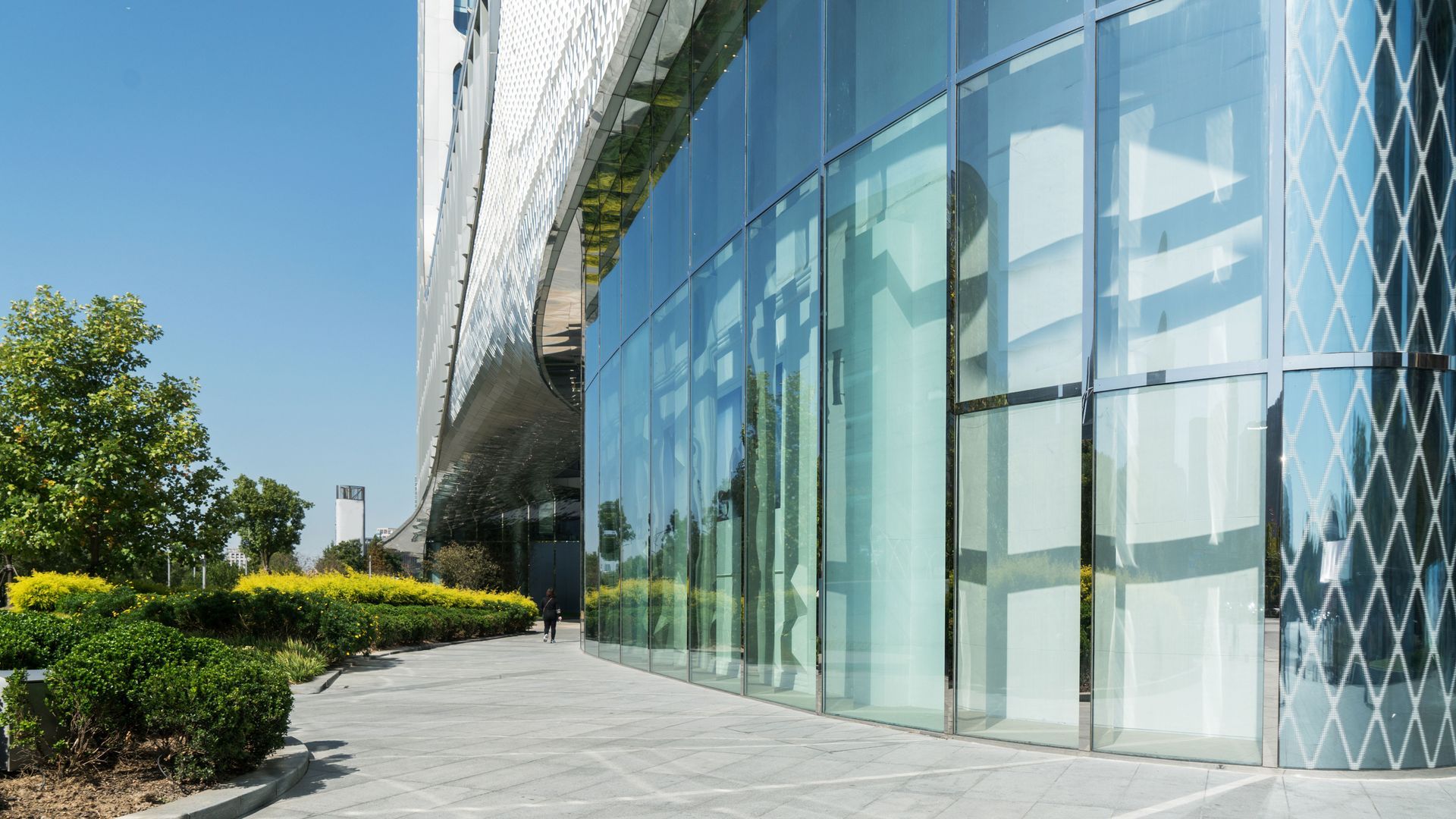
Today's large-span glazing uses oversized glass panels and minimalist framing to cover wide or tall openings in buildings.
Its primary function is to create panoramic views in high-end buildings. But large-span glazing also maximises natural light for building users and achieves the much-sought-after aim of blending the indoors with the outdoors.
Large-span capability is one feature that gives steel the edge over aluminium, and one of the reasons we use it exclusively for our glazing systems at Wrightstyle.
We can handle glass panes weighing up to 450kg and reaching unassisted spans of eight metres. Like all our glazing systems, our large-span glazing systems are durable, tested and compliant.
In this guide, we put large-span glazing under the microscope. How is it used, how is it made and how do we achieve such impressive unassisted spans?
Considerations and common uses of large-span glazing
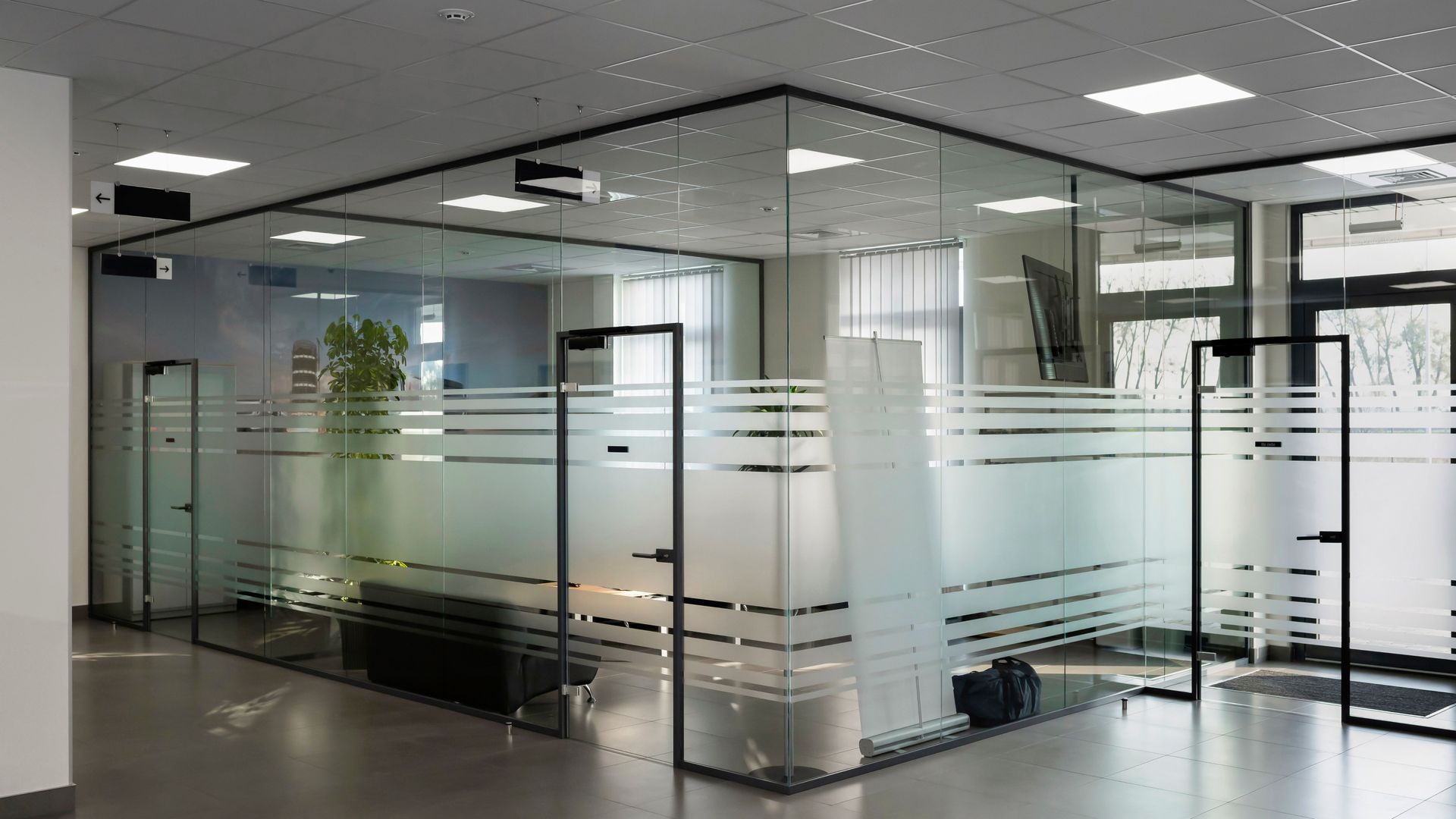
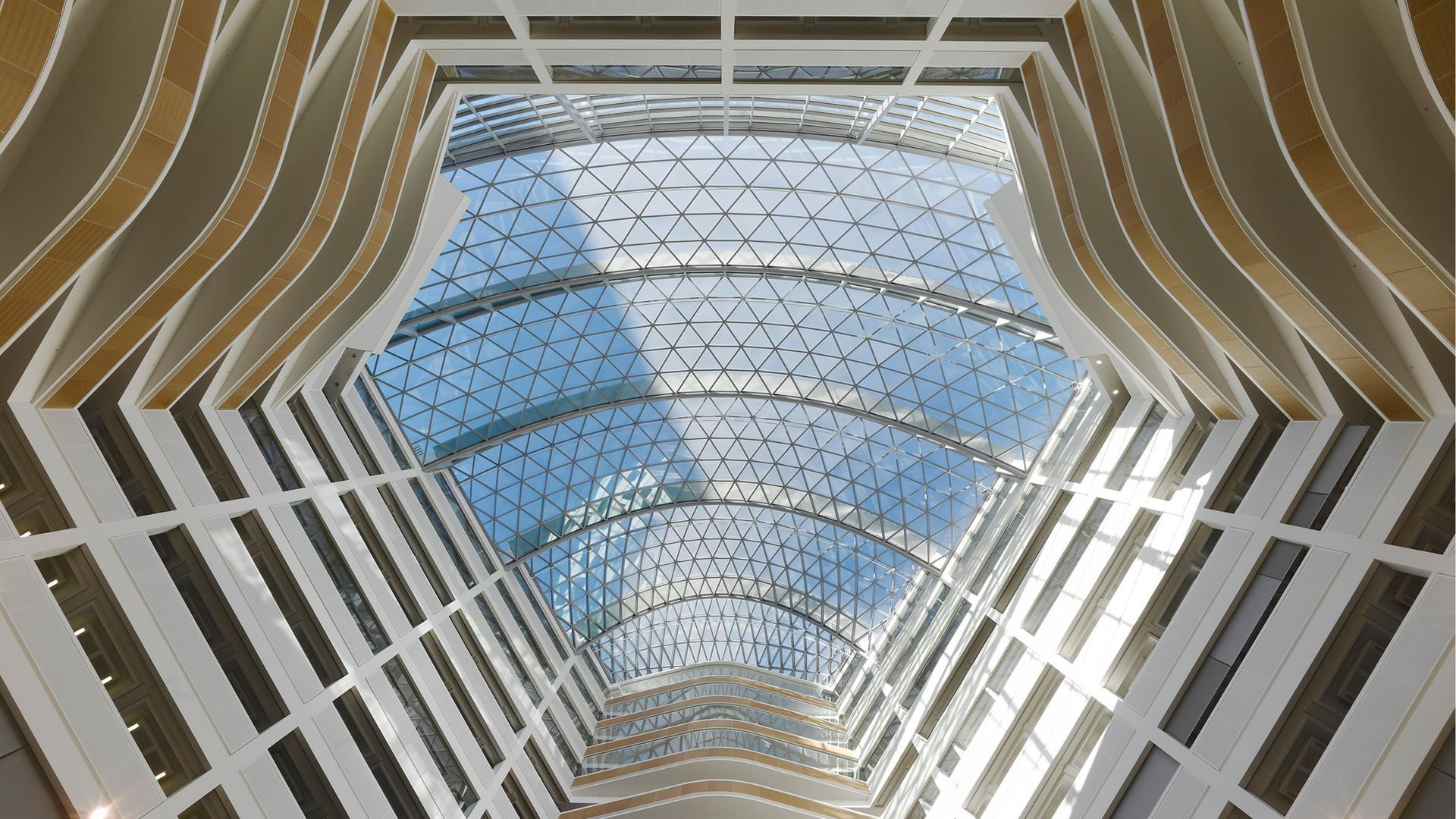
The most common applications of large-span glazing are floor-to-ceiling windows, large sliding doors, glass roofs and curtain walls.
The defining features of large-span glazing are uninterrupted sightlines and a sleek, contemporary aesthetic.
Large-span panes often reach over six metres. At Wrightstyle, we can go as far as eight metres.
Because of the size of the panels, large-span glazing presents some unique engineering and installation challenges.
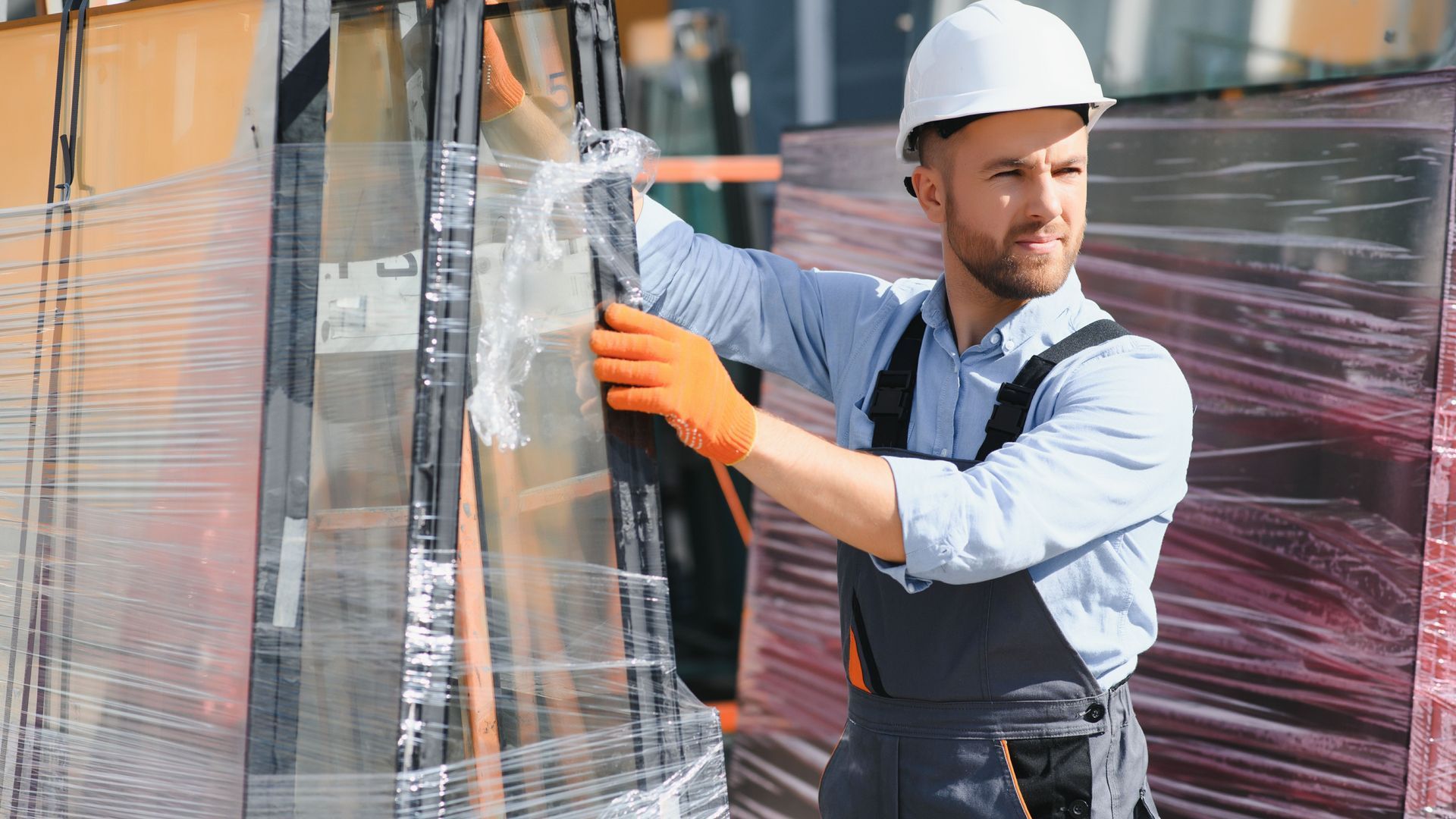
Individual panes are heavy – in the case of our large-span glazing, up to 450kg. This means cranes and vacuum lifters are required to install them safely.
There's also the issue of wind loads and structural loads. Larger surfaces catch more wind. This means manufacturers must use thicker laminated or toughened glass and specialist reinforced frames.
Finally, modern large-span glazing has to balance slim sightlines with thermal performance. At Wrightstyle, our large-span glazing systems manage heat loss and solar gain without resorting to bulky profiles.
What materials are used for large-span glazing?
The unique requirements of large-span glazing necessitate the use of high-performance glass, rigid structural framing and advanced interlayers. Without these, a slim, seamless look can't be achieved.
In terms of glass, large-span glazing typically uses some combination of toughened glass, laminated glass, low-iron glass and double- or triple-paned insulated glass units (IGUs).
Toughened glass is heat-treated for impact resistance. When it breaks, it breaks into small, smooth pieces rather than large shards.
Laminated glass is another kind of safety glass. The main difference is that it consists of two or more panes of glass bonded with a plastic interlayer. When the unit breaks, the interlayer is designed to hold the fragments in place.
Meanwhile, IGUs are units with gas fills – often argon – to control heat loss.
Like all laminated glass units, large-span glass uses interlayers. However, ionoplast is typically used instead of standard polyvinyl butyral (PVB). This gives the unit the stiffness it needs to avoid bending under wind loads.
Spans over four metres need structural steel frames. This is superior to aluminium because it combines superior strength with a capacity for narrow, barely visible support sections.
Aluminium is sometimes used for large sliding doors. At Wrightstyle, however, we exclusively use steel. Our fittings, too, are made of steel. These anchor glass facades without the need for unsightly bulky frames.
Finally, large-span glazing units require structural silicone. This is a super-strong adhesive that bonds glass panels directly to the frame while safely transferring wind loads.
Why is steel the best material for large-span glazing?
At Wrightstyle, we exclusively use steel for our glazing systems rather than aluminium – and our large-span glazing systems are no exception.
This is for a number of reasons. First and foremost is steel's superior strength. It also allows for tighter manufacturing tolerances and up to 120 minutes of
fire resistance.
It's also crucial for large-span applications. While aluminium can be used at the smaller end of things, most applications need steel.
How we can help
We provide
large-span glazing systems for curtain walls, doors, windows and screens. Like every product in our range, these are extensively tested to international standards to ensure user safety and compliance with Building Regulations. They also come with an extensive range of design options.
With Wrightstyle, you can expect a large-span glazing system performance-tested to all relevant industry standards for your peace of mind.
They're easy to assemble – especially when purchased in stick format – and are all made from high-quality materials.
As well as providing high-quality large-span glazing systems, we provide high-quality technical support. Our team of experts never hides behind a script and is never more than a phone call away, so you know you won't have to deal with bots or unanswered emails.
So, if you're in the market for large-span glazing, don't hesitate to
get in touch with our experts. Whether you have a few questions or want to request a quote, we're ready to help.