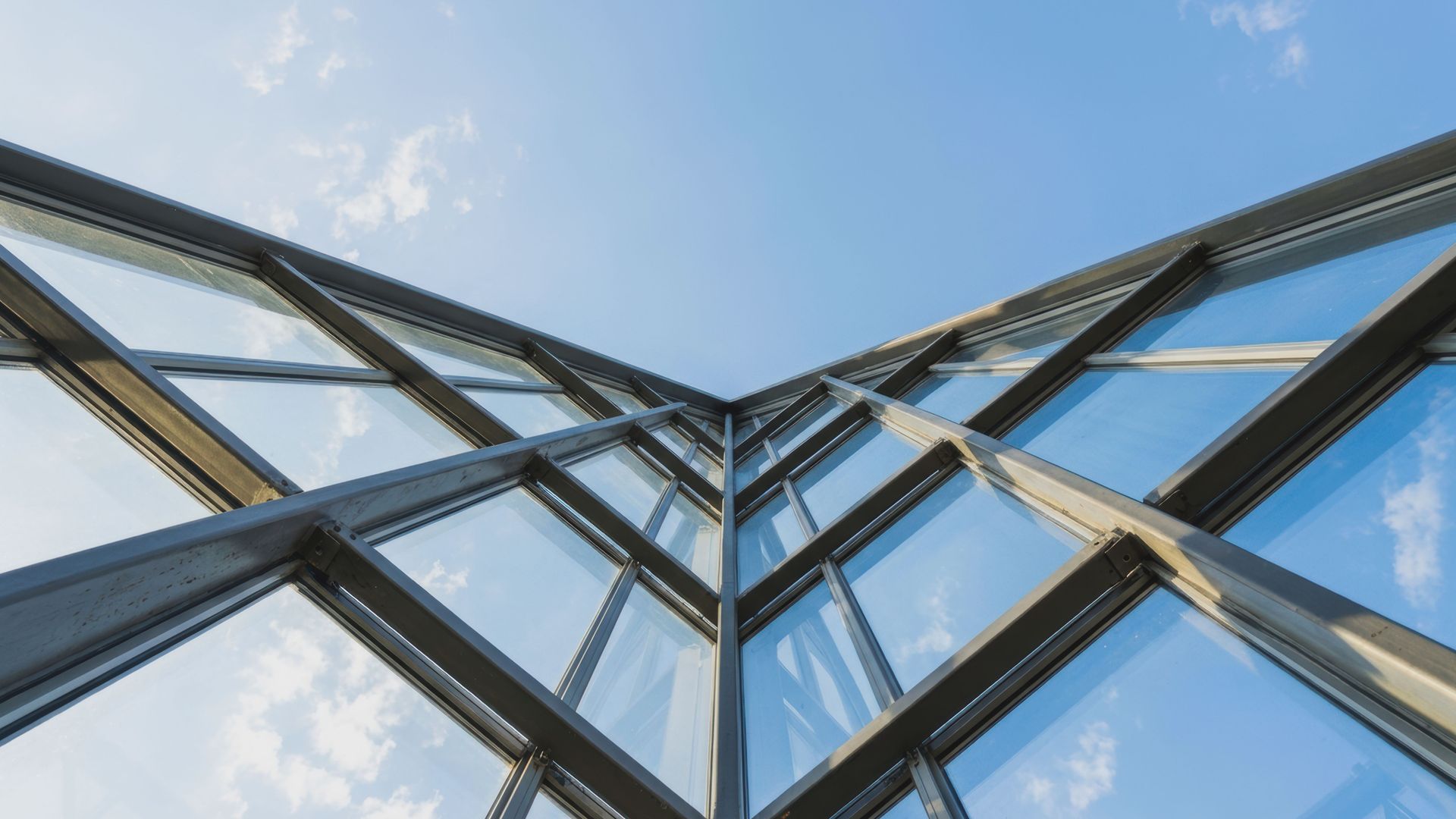
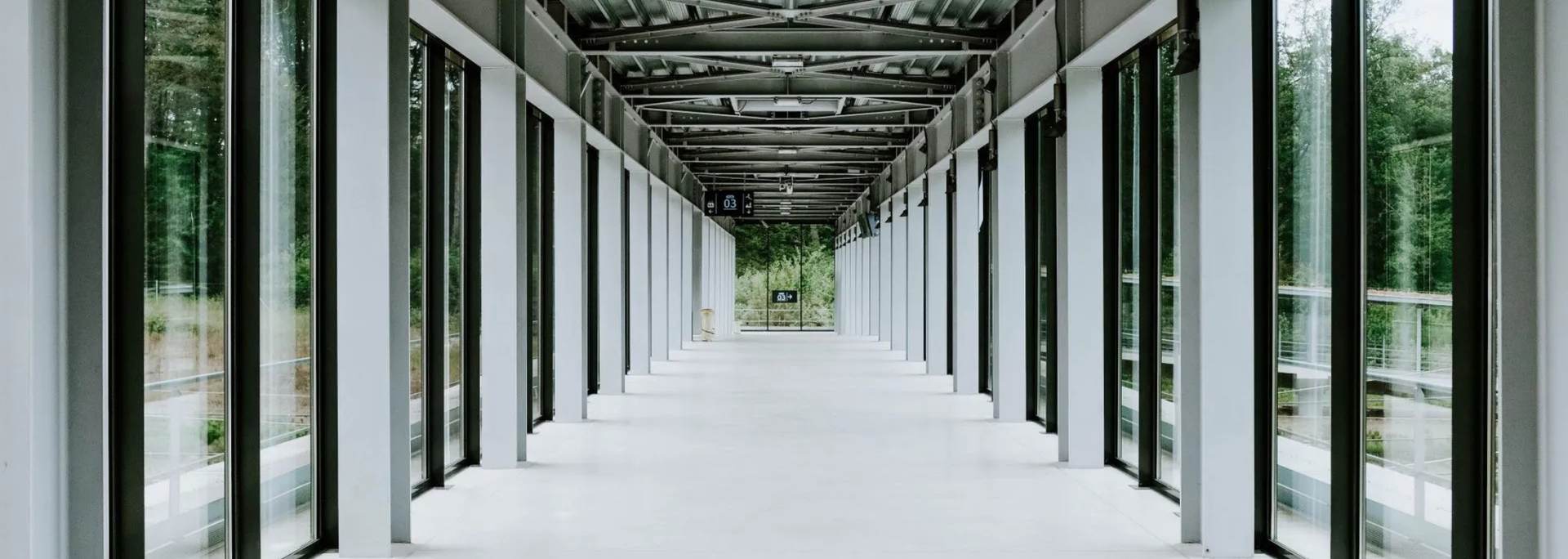
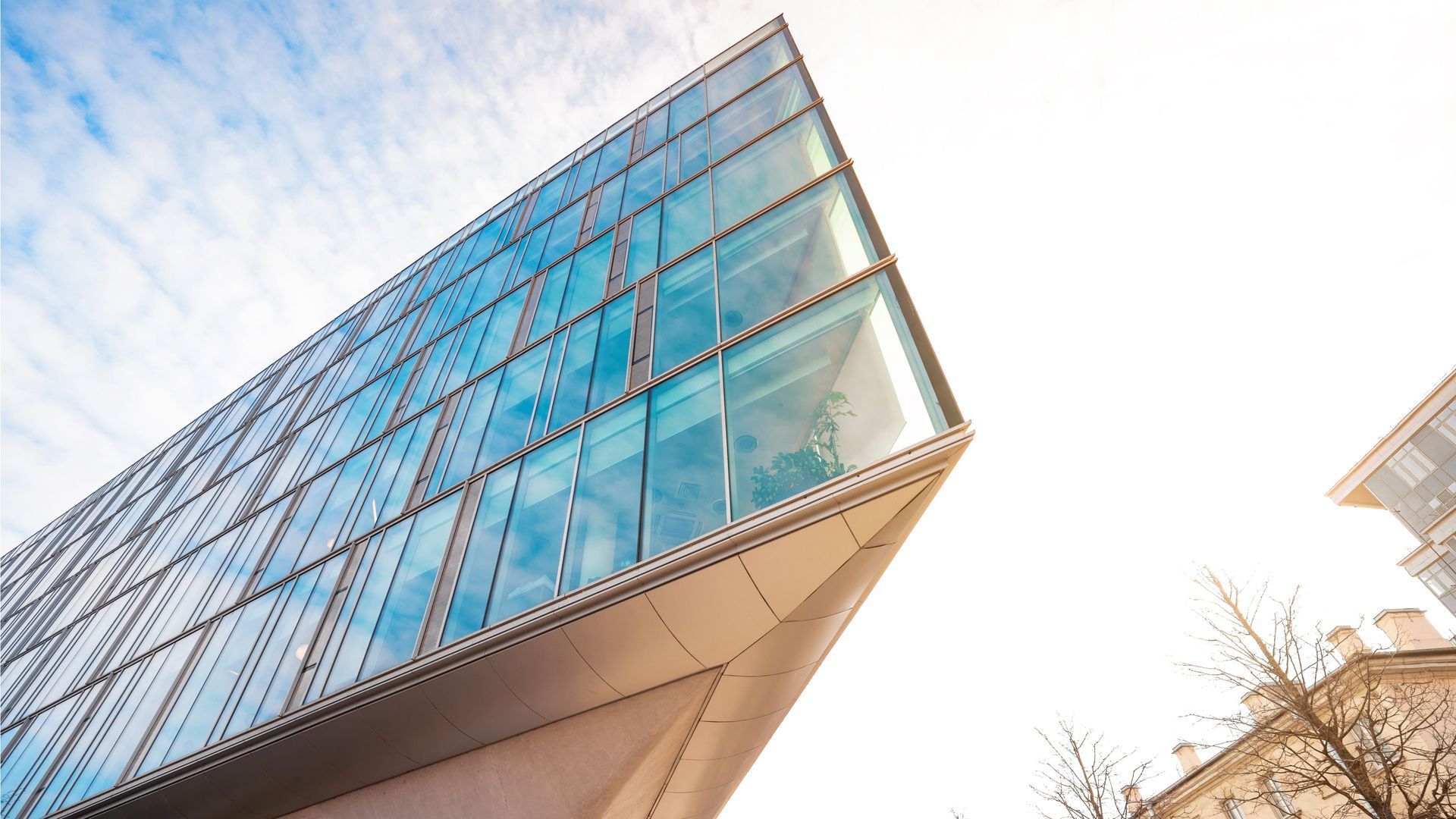
One of steel's chief benefits is its aesthetic versatility. In the case of windows, it can provide a range of different looks.
First, there are heritage-style steel windows. With their iconic slim black frames and multi-pane grids, these are often used for a period aesthetic or to meet conservation and listed building requirements.
Loft-style or industrial-style steel windows have a similar black-framed, multi-pane look. The main difference is that the frames may appear heavier and the panes more expansive than in heritage-style installations.
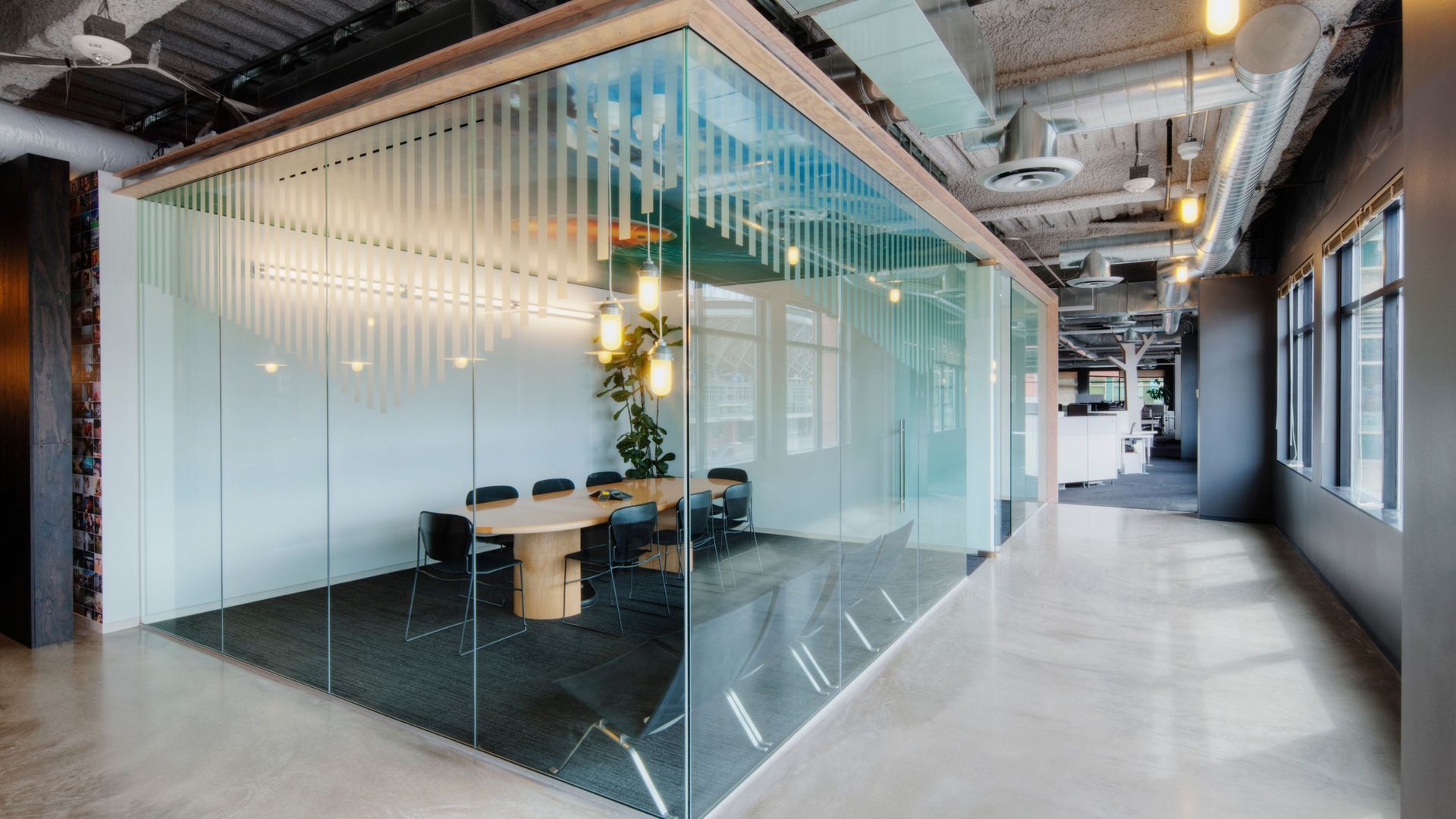
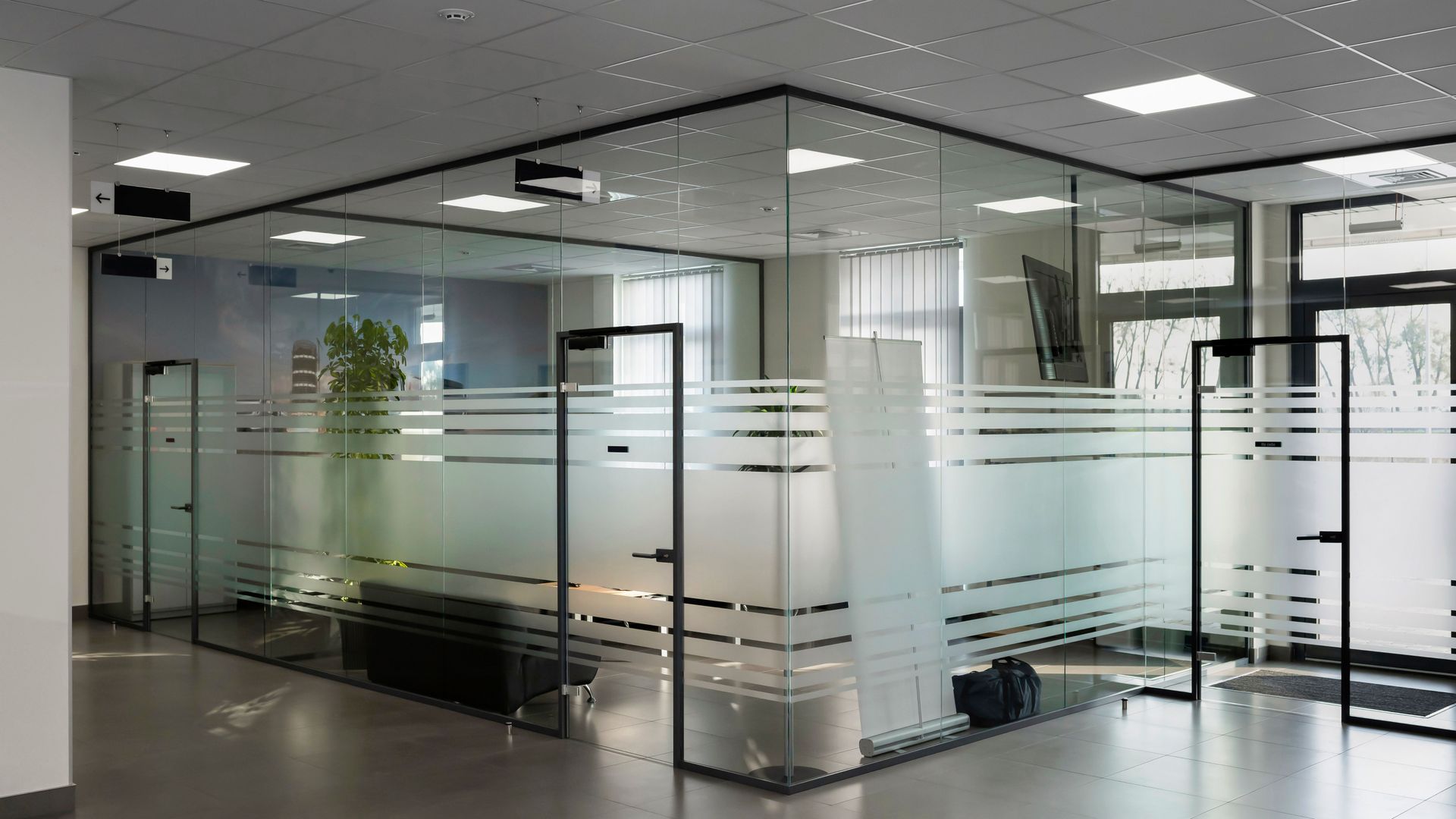
Drawing on warehouse and factory building styles, loft-style or industrial-style windows are often used for floor-to-ceiling installations, internal room partitions and other expansive applications.
There are plenty of other styles on the market: from Art Deco to château-style, from mock-Georgian to mock-Bauhaus.
At Wrightstyle, however, we focus on heritage-style steel window glazing systems and sleek contemporary large-span looks.
Steel windows can also come in different operational types. Common types include:
- Steel casements that swing outward or inward (whether side-hung, top-hung or bottom-hung)
- Non-opening panels
- Hinged hopper and awning windows
- French casements (double casements without a central mullion to maximise views)
What fire performance can steel window frames offer?
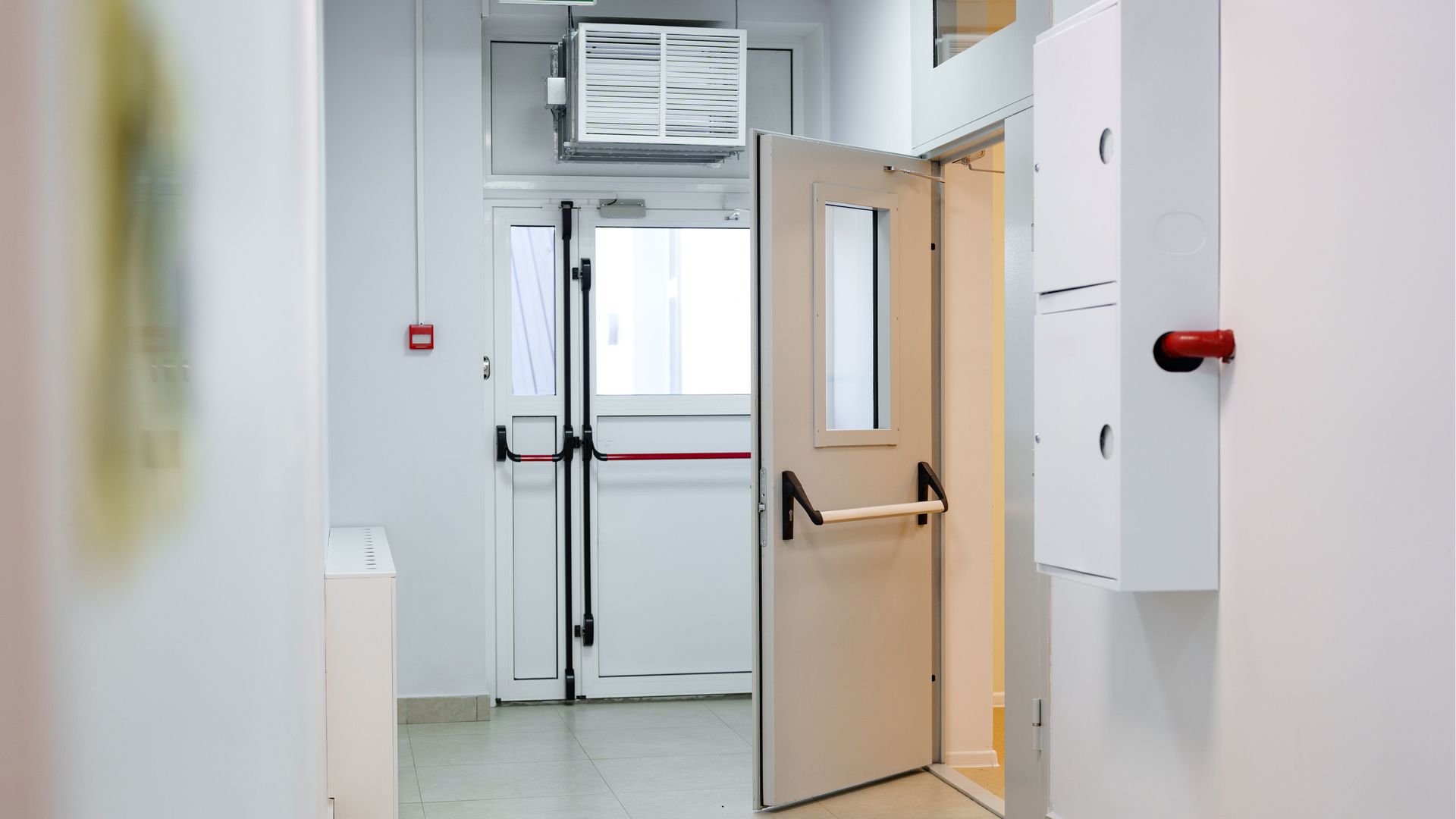
One of the main advantages of steel window frames is their potential for fire resistance. Depending on the product, the provider and the combination of frame and glass, specialist glazing systems can provide between 30 and 180 minutes of fire resistance.
Steel is non-combustible, meaning it doesn't burn or contribute fuel to a fire. It also has a considerably higher melting point than aluminium, making it particularly suitable for specialist fire-resistant glazing systems.
However, steel still expands and loses strength at high temperatures. Fire resistance therefore depends on the design and testing of the complete glazing system, not simply the properties of the steel.
This performance can be achieved through specialist manufacturing and system design. Depending on the configuration, fire-rated steel glazing systems can provide 30, 60, 90 or 120 minutes of fire resistance. Some specialist products can offer up to three hours.
As with all specialist glazing systems, it's worth noting that the whole glazing system must be fire-rated – not just the steel frame.
This means incorporating suitable fire-resistant glass, seals and other components. Some systems use intumescent materials that expand at high temperatures to help maintain fire integrity.
When specifying a glazing system, the complete assembly must have appropriate test evidence for the required fire-resistance classification. Just one unsuitable component can compromise performance, potentially causing compliance issues and project delays.
About the 60 series
Are you looking for a steel window glazing system? Take a look at our
60 series – or its fire-rated companion range, the
60F1 series.
Like all our glazing systems, these are durable, quality-assured and designed to meet relevant performance requirements. They can be used, depending on the specification, for doors, windows or partitions.
They come with an extensive range of frames and hardware, and can be installed internally or externally, depending on your project requirements.
Our 60 series includes specialist fire-resistant configurations offering up to E120 performance, with E180 available on request. The 60F1 series provides additional options for fire resistance, including integrity and insulation performance. We can also supply specialist ballistic-resistant versions.
Our systems come with a powder-coated finish and tape or gasket glazing, with a range of frame and configuration options.
So, if you're looking for high-quality steel-and-glass glazing systems for windows,
get in touch with Wrightstyle for comprehensive product advice.