Supply-only vs fully fabricated glazing systems: which is best?

Simon Edward • 2 November 2026

Explore the differences between supply-only and fully fabricated glazing systems and the pros and cons of each.

Glazing systems can be supplied in different forms, including supply-only and fully fabricated. At Wrightstyle, our glazing systems for doors, windows, screens and curtain walls come in both forms.


Choose supply-only, and you get a set of materials, components and accessories that must be fabricated or assembled on-site. Depending on the package, this could include everything from the frame components to the glass, seals and gaskets.


Fully fabricated glazing systems, on the other hand, are fabricated and assembled in the factory, reducing the work needed on site.


The type you choose will affect your budget, your on-site workflows and the division of responsibility for fabrication and installation.


So, which is right for you? This guide should help you decide.

What are supply-only glazing systems?

Supply-only glazing systems are windows, doors, screens or curtain walls supplied as components for fabrication or assembly by the customer or their appointed contractor.

If you bought a supply-only window system, for instance, you might receive a package containing frame profiles, glazing beads, gaskets and other necessary components. Depending on the agreed specification, this could also include glazed units, handles, hinges, locking mechanisms, cills or vents.

These would be delivered to the site or another suitable location where your contractor would take charge of fabrication, assembly and installation.

That means the buyer or their appointed contractor will generally be responsible for taking or checking measurements on-site and assembling the glazing system. They must also ensure the finished installation is appropriately weather-sealed and meets the relevant Building Regulations and specification requirements.


The buyer or contractor will usually have to arrange a site survey and prepare the openings. Where existing glazing is being replaced, they may also need to arrange its removal. They'll also need to provide the appropriate fabrication, lifting and installation equipment.


What are the advantages and disadvantages of supply-only glazing systems?

The main advantage of a supply-only glazing system is that it gives the teams on the ground more control over fabrication and installation. It can also reduce upfront costs by removing some factory fabrication costs from the equation.


It only makes sense, however, if you have your own fabricator or installer – and one with the skills and expertise to do the job well.


With a supply-only glazing system, responsibility for the quality of measurements, fabrication and installation will largely fall to your appointed contractor. Even with the best glazing system on the market, a mismeasurement or poor installation job could lead to costly remedial work or replacement.


This is especially important for specialist systems, where the finished construction needs to match the tested or assessed configuration.


What are fully fabricated glazing systems?


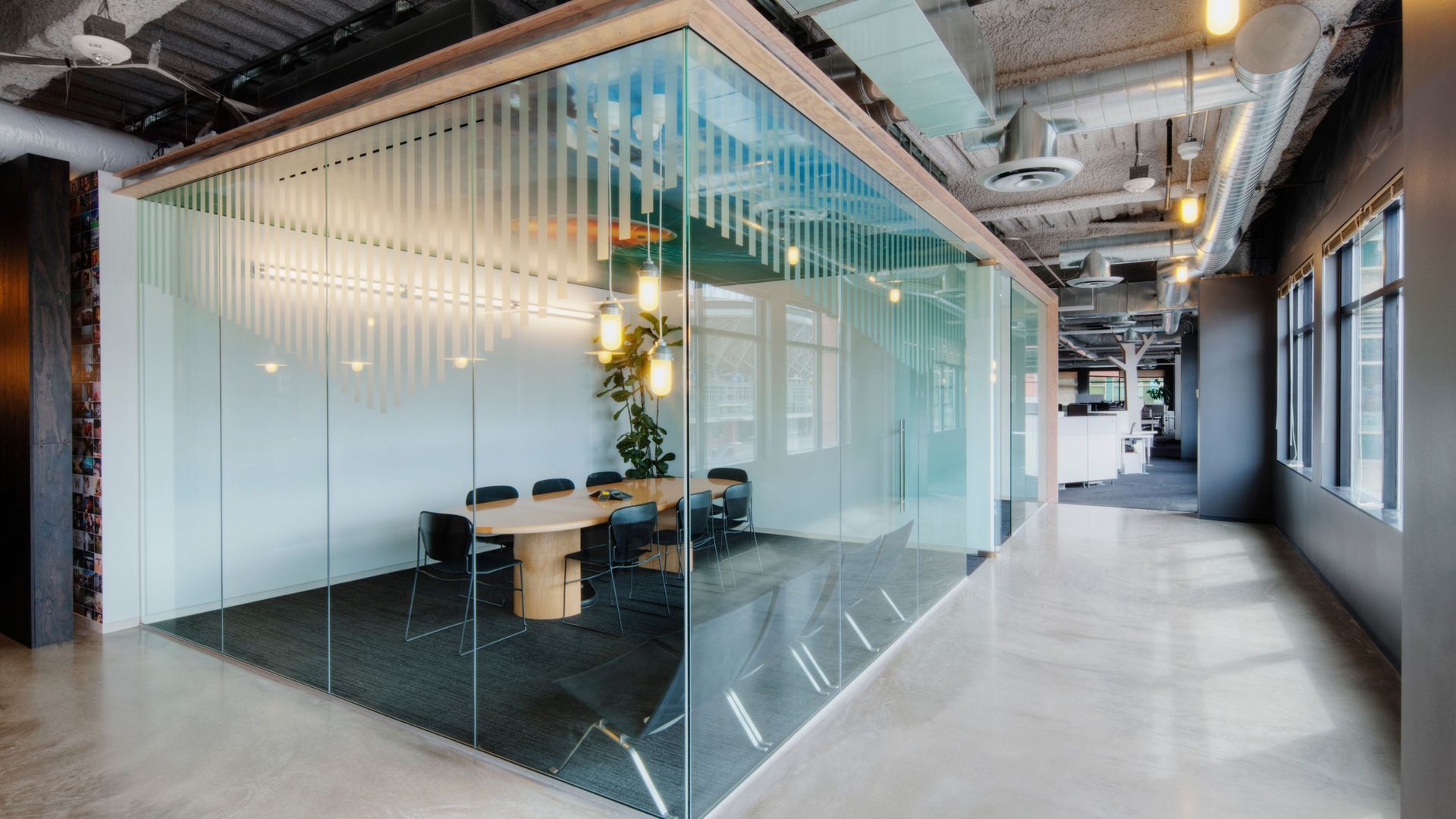
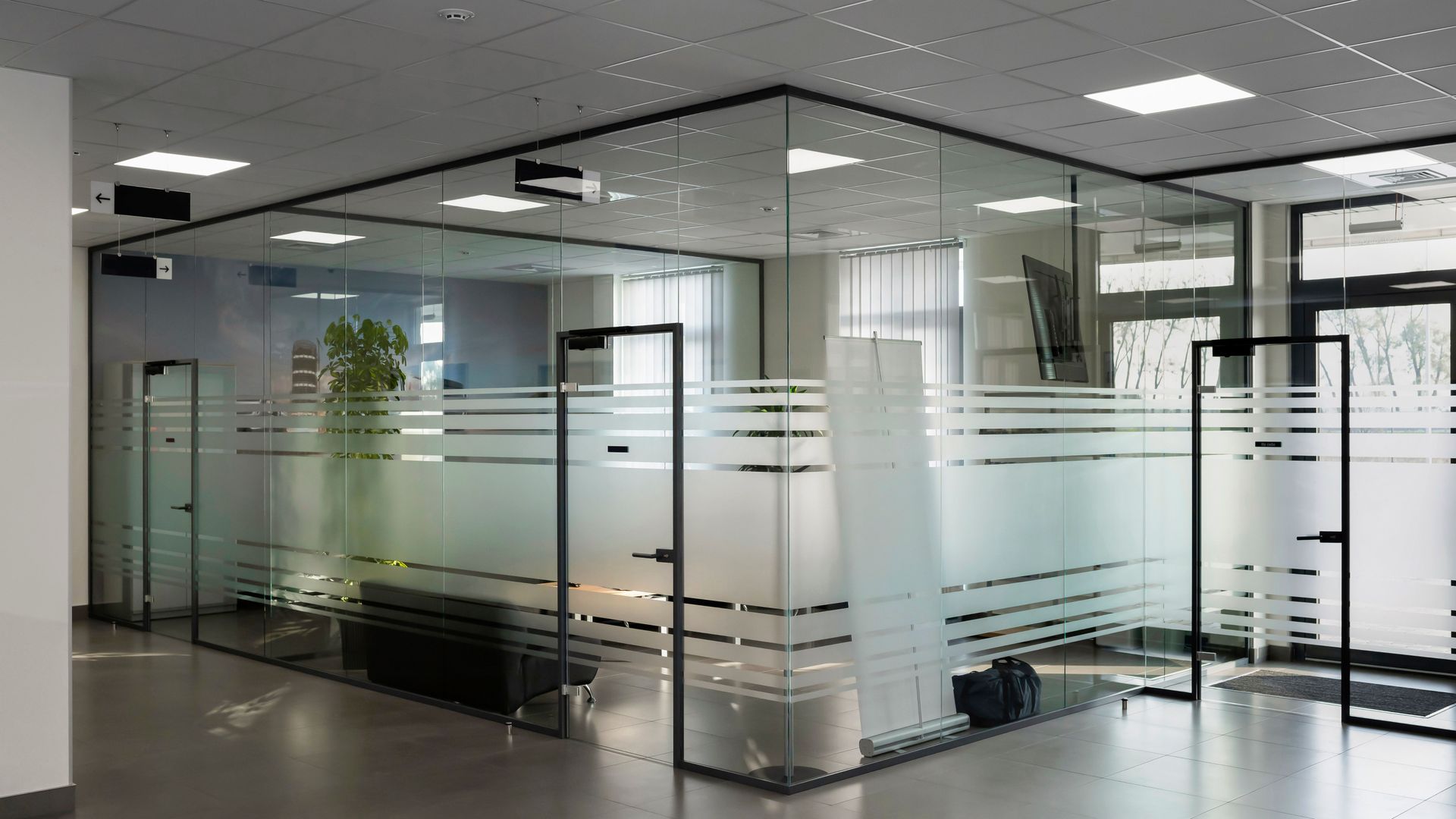
Picture of a glass wall.

A fully fabricated glazing system is manufactured and assembled in the factory before delivery to the site.


If you order a fully fabricated curtain wall glazing system, for instance, the frames or sections may arrive ready for installation. It's worth noting, however, that site assembly, fixing, sealing and glazing may still be required.


Depending on the glazing system (and the manufacturer), the off-site manufacture of a fully fabricated glazing system could include a number of processes. These are particularly important in specialist applications such as curtain wall fabrication, where precision and quality control are essential.


The process could include:

  • Cutting and machining the frames
  • Adding a factory finish such as powder-coating
  • Assembling the frames
  • Installing appropriate hardware, handles, hinges and locks
  • Assembling sashes
  • Assembling doors
  • Procuring and, where specified, installing insulated glass units (IGUs)
  • Installing gaskets, beads, seals and drainage components
  • Completing quality assurance checks
  • Labelling and packaging the units ready for delivery and installation

With fully fabricated glazing systems, the manufacturer or glazing system supplier takes responsibility for factory fabrication and assembly. Responsibility doesn't lie with the contractor on the construction site.


The contractor must still ensure the units are correctly installed, with appropriate fixing, sealing and connections to the surrounding structure.


What are the advantages and disadvantages of fully fabricated glazing systems?

Advantages

There are several advantages to procuring fully fabricated glazing systems for a building project, whether you're installing a door, window, screen or curtain wall.


The main advantage is that much of the fabrication is done for you. And because the units arrive with much of the fabrication already completed, you waste less time on cutting, machining and assembly. As well as accelerating the installation process, this can also speed up the overall programme of works and reduce on-site labour costs.


However, you may still need an installer on-site with the skills and experience to carry out a quality-controlled installation with well-applied joints, seals, tolerances and finishes.


Another advantage is that the site itself can become more streamlined, with fewer specialist fabrication tasks. With less equipment, waste and noise, the site can be cleaner and better organised.


Factory fabrication also allows for quality control of components, seals, gaskets and glazing before delivery. It can also mean a better finish.  A factory-applied finish may be smoother and more uniform than one applied on site, which can be beneficial if aesthetics are a priority.


The final advantage is that fully fabricated glazing systems can be useful on large developments with lots of the same glazing types. In this context, it can be useful to have multiple windows and doors manufactured to the same specifications ready to go.

Disadvantages

As with supply-only glazing systems, fully fabricated glazing systems have their disadvantages.


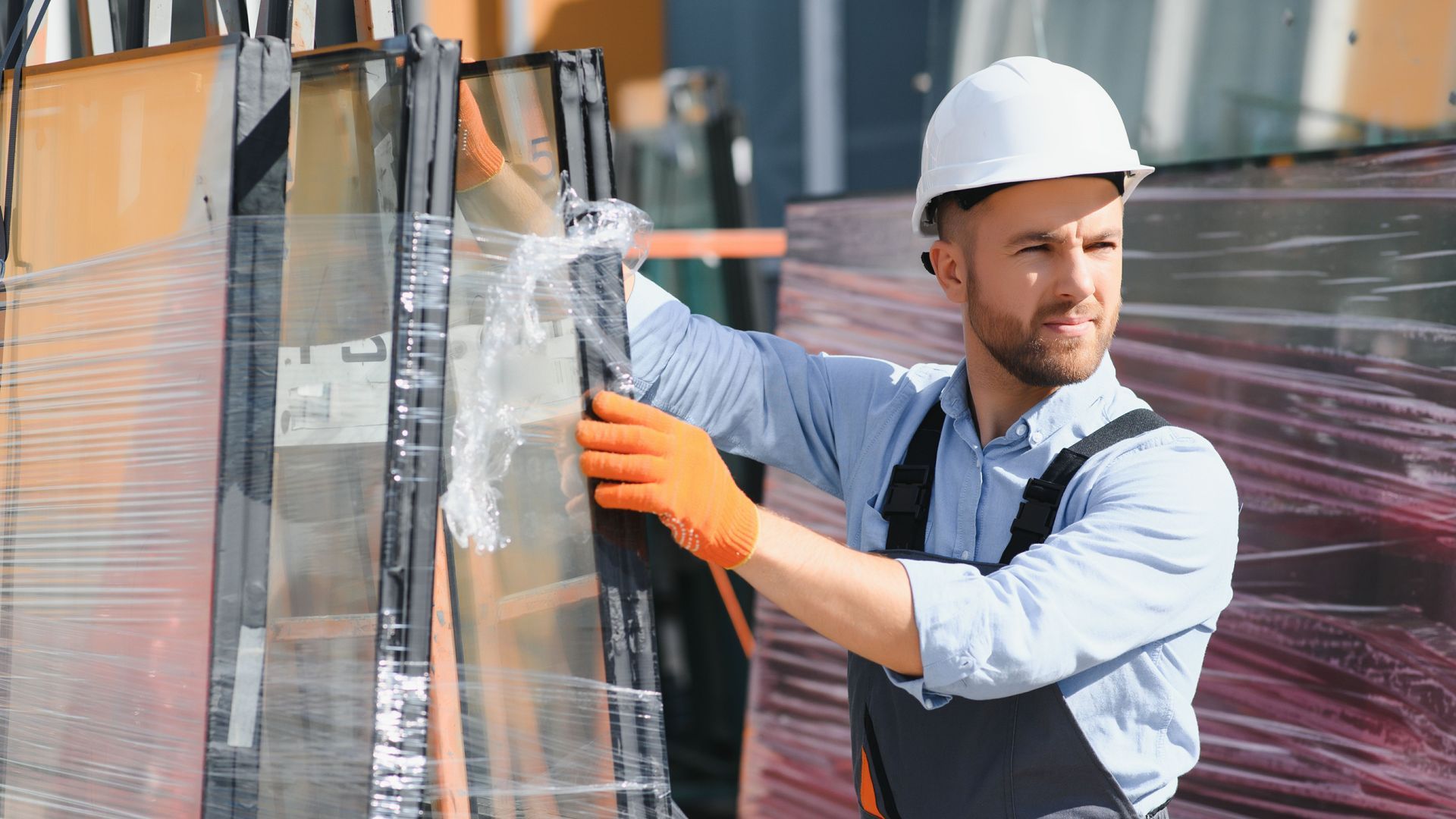
First, there's the issue of transportation. Transport must be paid for – and while prefabrication reduces the work needed on site, units can become damaged in transit. Both factors can add costs, whether upfront or down the line when a damaged unit needs repair or replacement.


The units may also be large or heavy and require specialist handling and lifting equipment. This isn't necessarily a problem, but it's worth considering if deciding between supply-only and fully fabricated.


Fully fabricated glazing systems can cause on-site logistical issues. Changes to openings can be difficult to accommodate if the unit has already been manufactured to precise dimensions. What's more, units that can't be immediately installed must be safely stored somewhere.


Last but not least, you could stand to pay more upfront for a fully fabricated glazing system. This is because you're paying the supplier for additional fabrication and assembly work. However, the total project cost will also depend on the time, labour and equipment required on site.


How we can help

Are you looking for high-quality steel glazing systems for doors, windows, screens or curtain walls?


Here at Wrightstyle, we offer supply-only and fully fabricated options to suit different project requirements. We can also provide technical advice on specifications, fabrication and the most suitable supply arrangement for your project.


To get started, contact our UK experts today.


Share this article

Recent Posts

Considering window frame materials for a construction project? Learn about steel's strength,
by Simon Edward • 30 October 2026
Considering window frame materials for a construction project? Learn about steel's strength, aesthetic qualities and fire performance.
Sendzimir galvanising protects steel glazing systems against corrosion. Explore the science
by Simon Edward • 23 October 2026
Sendzimir galvanising protects steel glazing systems against corrosion. Explore the science behind the process and why it matters.
How long does fire-resistant glazing need to withstand fire? Explore the factors
by Simon Edward • 21 October 2026
How long does fire-resistant glazing need to withstand fire? Explore the factors that affect the required fire rating, from building use to location.
Fire-rated doors can be latched or unlatched. Find out what this means for your specification
by Simon Edward • 21 October 2026
Fire-rated doors can be latched or unlatched. Find out what this means for your specification process.
What makes a curtain wall? Explore the key components that form a curtain wall assembly
by Simon Edward • 12 October 2026
What makes a curtain wall? Explore the key components that form a curtain wall assembly and learn how the pieces fit together.
Are you specifying acoustic glass for a commercial building partition? Explore key considerations
by Simon Edward • 5 October 2026
Are you specifying acoustic glass for a commercial building partition? Explore key considerations in our guide.
Are you looking for a weather-resistant glazing system? Explore key specification considerations,
by Simon Edward • 28 September 2026
Are you looking for a weather-resistant glazing system? Explore key specification considerations, from wind loading to watertightness.
Are you an architect preparing to specify fire-rated glazing? Learn the key facts
by Simon Edward • 18 September 2026
Are you an architect preparing to specify fire-rated glazing? Learn the key facts about rating classifications, glass types and more.
How do you know if a glazing system is fit for purpose? It's partly a case of testing. Explore
by Simon Edward • 14 September 2026
How do you know if a glazing system is fit for purpose? It's partly a case of testing. Explore the benefits of real-world tests in our guide.
Are you responsible for specifying glass adjacent to a fire escape route? Explore key regulations
by Simon Edward • 11 September 2026
Are you responsible for specifying glass adjacent to a fire escape route? Explore key regulations and considerations.
Show More