Security glass explained: anti-bandit, ballistic and blast options

Simon Edward • 17 August 2026

Does your building project need anti-bandit, blast or ballistic glass? Explore your options in our industry guide.


Does your building project need anti-bandit, blast or ballistic glass? Explore your options in our industry guide.

Different kinds of building projects require different kinds of glass. In cases where threat levels are high, security glass is used.


Security glass is a category of glass products consisting of types of fortified glazing built to withstand deliberate high-impact forces.


These tend to fall into three categories: bandits (forced entry and burglary), bullets and blasts.


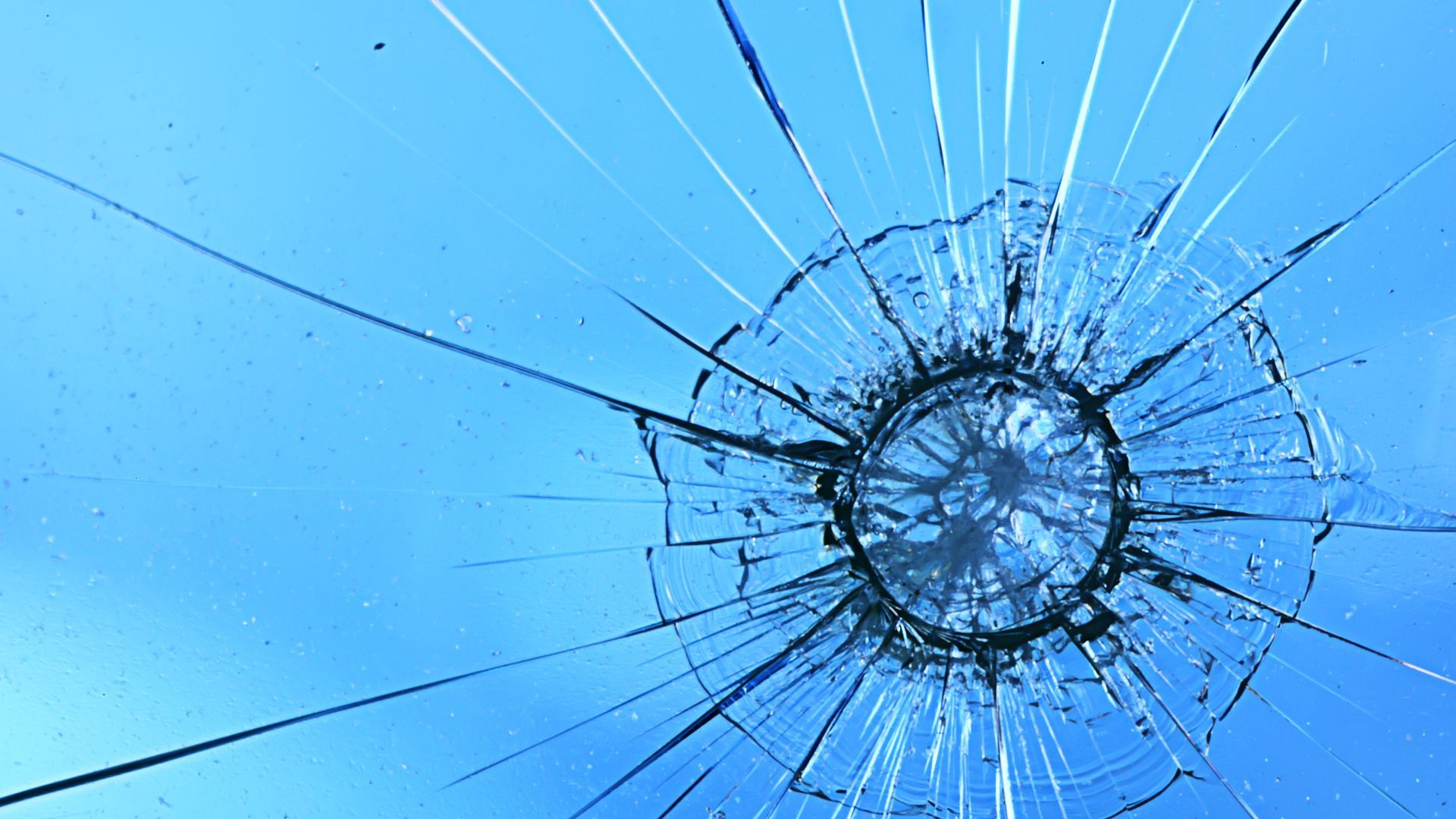
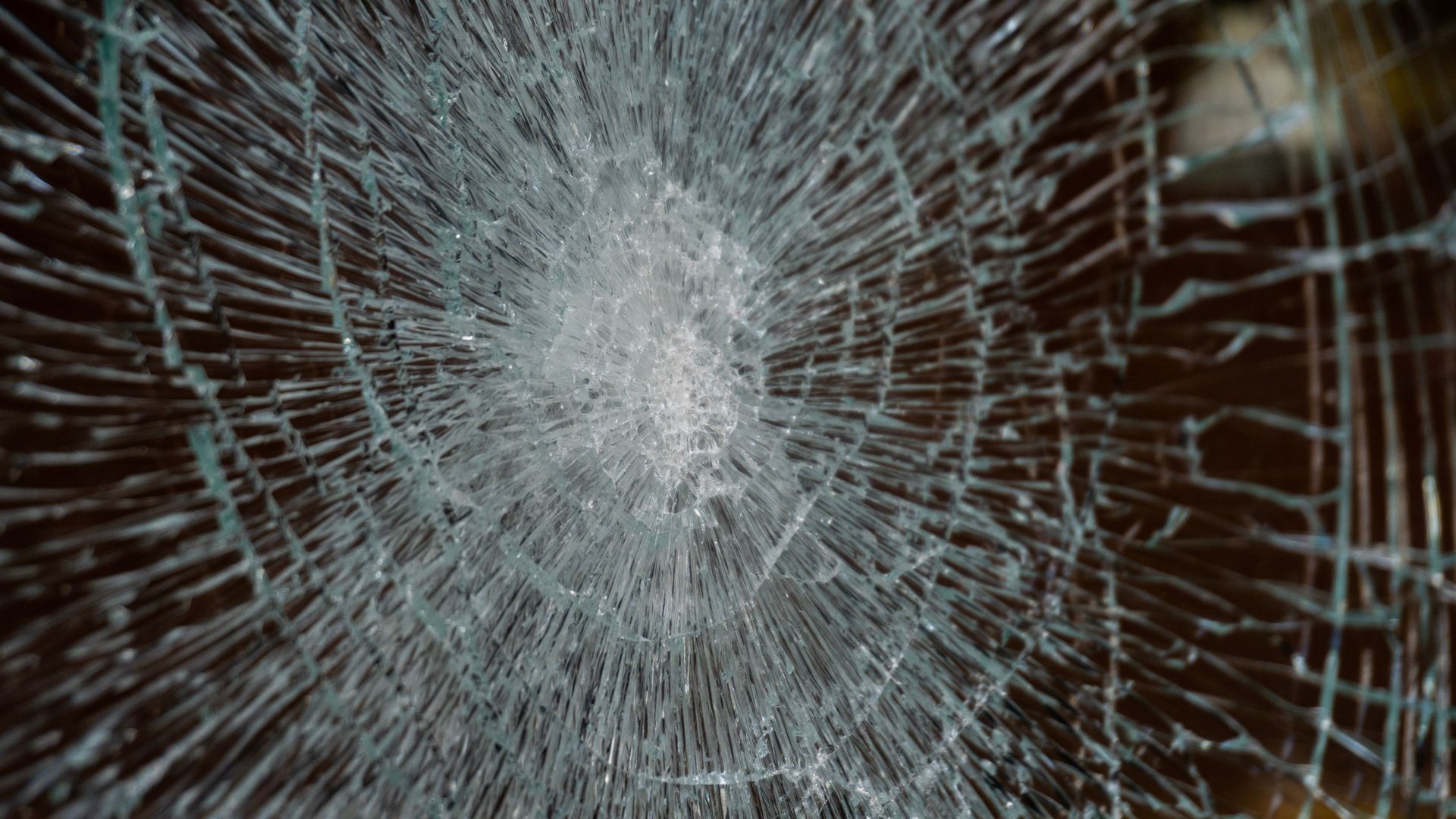
In all these cases, the glass unit is made from sheets of glass or polycarbonate laminated around a plastic interlayer. This means the unit maintains structural integrity even under high impacts, with the shards staying in place when the impact is sufficient to crack the outer surface.


These kinds of products are important because they protect people, possessions and companies. As well as providing security, they can improve a building's thermal efficiency and act as sound insulators.


Deciding on a security glass solution involves assessing the building's location and risk level. Building regulations need to be consulted, and glass specs have to correspond to tested performance ratings.


Before we go any further, it's important to note that this article is in no way a substitute for these building regulations.


While we accept no liability in the event of a security glass mistake, our team of experts can provide comprehensive product advice on our security glazing systems.


What is anti-bandit glass?

Anti-bandit glass is a tough, laminated security glazing built to withstand deliberate physical attacks, forced entry and smash-and-grab raids.


Anti-bandit glass consists of multiple glass panes bonded with strong plastic interlayers. This holds the material together even when cracked. This prevents unwanted entry and protects high-value assets and building occupants.


It's tested according to two sets of ratings. Both fall under EN 356.


The first is P1A to P5A. This tests anti-bandit glass by dropping a heavy steel ball onto the glass to simulate projectile force and vandalism.


The second is P6B to P8B. This is tested by striking the glass with an axe or hammer to measure resistance against serious break-ins.


Anti-bandit glass is used wherever there's a significant threat level from forced entry or vandalism. It's commonly found in high-end shops, banks, VIP facilities and government buildings.


What is ballistic glass?


Where anti-bandit glass protects against bandits, ballistic glass – also known as bullet-resistant glass – defends against bullets.


It's a strong, clear material designed to stop or slow down bullets. It's not 100% bulletproof – no glass is. However, it can resist damage up to the point designated by its rating.


It's made by stacking hard and soft layers of glass and plastics such as polycarbonate. If a bullet hits, the hard outer layer flattens the bullet and the soft inner plastic layers stretch and flex. This absorbs the bullet's kinetic energy and prevents it from penetrating the building.


Ballistic glass is often found in banks, government buildings, secure vehicles and jewellery shops.


Here at Wrightstyle, we supply bullet-resistant glazing. It's available for 9mm to 7.62 calibres and is tested for all classes of weapons to international standards. We also provide low-spall and no-spall options. These limit the amount of flying glass fragments (spall) to varying degrees.


What is blast glass?


Blast glass – also known as blast-resistant glass – is a specialised safety glazing built to absorb and dissipate the pressure and shockwaves of explosions.


It helps prevent the glass from breaking into flying shards, protecting people from injury and the property from damage.


Blast glass is mounted into heavy-duty, reinforced frames. These are designed to flex under pressure so the glazing unit doesn't detach.


Blast glass is used wherever there's a significant threat level of bomb attacks. This often includes government buildings, embassies, military facilities, banks, financial institutions, transport hubs and critical infrastructure.


At Wrightstyle, we stock bomb-resistant glazing systems built to meet car-bomb and lorry-bomb specifications.


What kind of security glass do I need?

To decide which security glass your building needs, you need to check two things: the building's location and its risk level.


Before choosing, you should consult national building regulations. In the UK, that includes Approved Document Q and PAS 24 standards. These may be different depending on the area and its regulations.


You should also ensure that your glass specifications correspond to tested performance ratings such as BS EN 356 and local building codes.


Next, you should identify the threat level.

In the case of low-to-medium risk, toughened glass should be used to protect against general human impact. Unlike laminated glass, toughened glass can shatter completely under significant impact. However, it breaks into lots of relatively harmless pieces rather than jagged shards.


For standard security against forced entry, you should use laminated glass – typically with a minimum thickness of 6.8mm to conform to EN 356 P1A and P2A ratings.


Laminated glass is held together with a plastic interlayer. When smashed, the unit cracks but doesn't shatter. This helps delay and deter intruders.

In high-security settings, heavier anti-bandit or multi-laminate glass should be specified. This should meet P6B to P8B ratings and should be able to withstand prolonged hammer and axe attacks.


Finally, you should consider whether the location needs specialist protection against bombs, bullets or both.

In the case of bombs, you should consider blast glass – and, in the case of bullets, ballistic-resistant glass.


The importance of glazing systems

Specialist glass alone doesn't qualify an installation as bomb-resistant, bullet-resistant or impact-resistant. Instead, the whole unit must be tested, rated and certified.


Here at Wrightstyle, every component of our glazing systems is specially built to meet security glazing regulations.


Our glazing systems are exclusively made from steel. This is mainly because of steel's inherent strength compared to aluminium, but it also enables customers to benefit from the high tolerance levels and other advantages.


Want to learn more? Don't hesitate to get in touch with our experts for comprehensive technical advice or to discuss your project in detail.


Share this article

Recent Posts

Are you looking for a glazing system for an office fit-out? Explore key use cases
by Simon Edward 14 August 2026
Are you looking for a glazing system for an office fit-out? Explore key use cases and learn what you need to know before you specify.
At Wrightstyle, we specialise in large-span glazing. Find out how
by Simon Edward 10 August 2026
At Wrightstyle, we specialise in large-span glazing. Find out how we achieve large unassisted spans and why we always use steel, not aluminium.
How do the latest regulations in high-rise fire safety apply to glazing? Find out
by Simon Edward 7 August 2026
How do the latest regulations in high-rise fire safety apply to glazing? Find out in our industry guide.
Are you looking to make your procurement process cheaper, faster and safer? Find out how
by Simon Edward 4 August 2026
Are you looking to make your procurement process cheaper, faster and safer? Find out how high-quality tech support can help.
What do you need to know before specifying fire-rated doors with glass panels?
by Simon Edward 3 August 2026
What do you need to know before specifying fire-rated doors with glass panels? Learn about key regulations, fire ratings and what your options are.
How does soundproof glazing help reduce noise? Learn about this practical and versatile product
by Simon Edward 31 July 2026
How does soundproof glazing help reduce noise? Learn about this practical and versatile product and how it works.
You need specialist glazing to make shopping malls compliant with fire safety regulations.
by Simon Edward 24 July 2026
You need specialist glazing to make shopping malls compliant with fire safety regulations. Learn about compliance standards and glazing ratings.
What is blast-resistant glazing and how does it protect buildings from explosions? Get the facts
by Simon Edward 17 July 2026
What is blast-resistant glazing and how does it protect buildings from explosions? Get the facts in our glazing guide.
How does Approved Document B support fire safety in glazing installations? Find out
by Simon Edward 13 July 2026
How does Approved Document B support fire safety in glazing installations? Find out in our industry guide.
Structural glazing is a key part of modern architectural design. Explore its benefits, applications
by Simon Edward 10 July 2026
Structural glazing is a key part of modern architectural design. Explore its benefits, applications and aesthetic considerations.
Show More