
Shopping Centre Fires

8 April 2026

n a two-part article, Jane Embury, marketing director, looks at shopping centres fire safety.


We don’t often think about fire breaking out in our local shopping centre.


However, let’s remember that in July a fire engulfed a shopping centre in Walthamstow, east London.


And just last month, a serious fire broke out in a shopping centre in Douglas, County Cork.


The fact is that retail fires account for about 10% of “large fire losses.”


Of those, some 20% are in shopping centres. Many are started deliberately.


In a shopping centre, responsibility for fire safety can be complex.


The shopping centre management team will have responsibility for the communal areas.


FRA

But responsibility then passes to individual shops for their own premises.


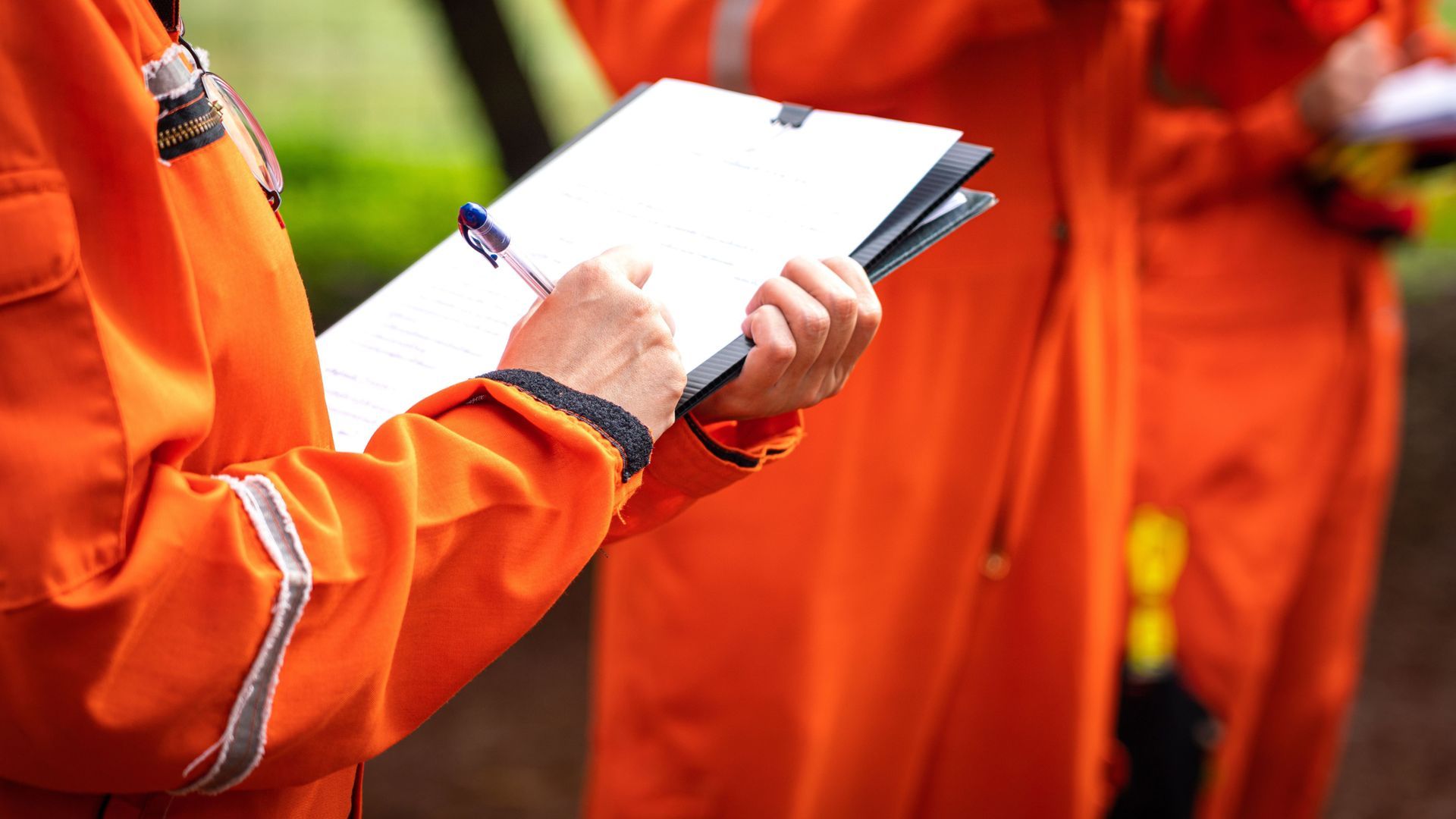
The law requires that a competent person carries out a Fire Risk Assessment (FRA).


If you employ more than five people, that written FRA must be kept on file.


The FRA is all about identifying risk, and minimising or eliminating those risks.


But it’s also about ensuring the safety of firefighters if there is a fire, and looking at the continuity of the business.


In the UK, there are 42 shopping centres over 70,000 sq metres in size.


The biggest is Westfield in west London at 235,900 sq metres.

Royal Exchange

It’s taken the biggest crown from the Metrocentre in Gateshead, at 192,900 square metres.


(The UK’s first shopping centre was opened in 1660, and surrounded the Royal Exchange. It had 100 kiosks and shops).


Current safety requirements require collaboration between the designers, developers, fire system installers and the centre’s management team based on Building Control Regulations. It’s the reason why UK shopping centres are so safe.


But compare that with a shopping centre fire in Asunción, Paraguay in 2004. In total, 364 people lost their lives.


Underlining how responsibility for fire safety lies not just in the hands of the shopping centre management team, the fire started in an improperly-maintained grill located in the centre’s food court.


Of course, worldwide, the threat from fire is being slowly reduced with stricter building regulations covering both passive and active fire safety measures.

Smoke and fire

That includes everything from better detection systems to catch the fire early to better sprinkler systems to put it out.


The Paraguay fire started with just an ember from a chimney, and that’s how most catastrophic fires begin – often just a dropped cigarette or a spark from faulty wiring.


Fire is spread through three methods: convection, conduction and radiation, of which convection is the most dangerous.


This is when smoke from the fire becomes trapped by the roof, spreading in all directions to form a deepening layer. Smoke, rather than fire, is often the real danger.


Materials such as metal can absorb heat and transmit it to other rooms or shops by conduction, where it can cause new fires to break out.


Radiation transfers heat in the air, until it too sets off secondary fires, spreading the danger away from its original location.


Radiation was the culprit in a 2012 shopping centre in Qatar. where an electrical fire started near a child care centre, going on to trap the children and their teachers.


In total, 13 children died, mostly from smoke inhalation. Four teachers and two firefighters also died.

Fire zones

The fact is that shopping centres can be extremely complex, with potentially large fuel loads and equally large numbers of people.


They can include not just shops. Many shopping centres also have hotels, food courts, cinemas, restaurants, bars and offices.


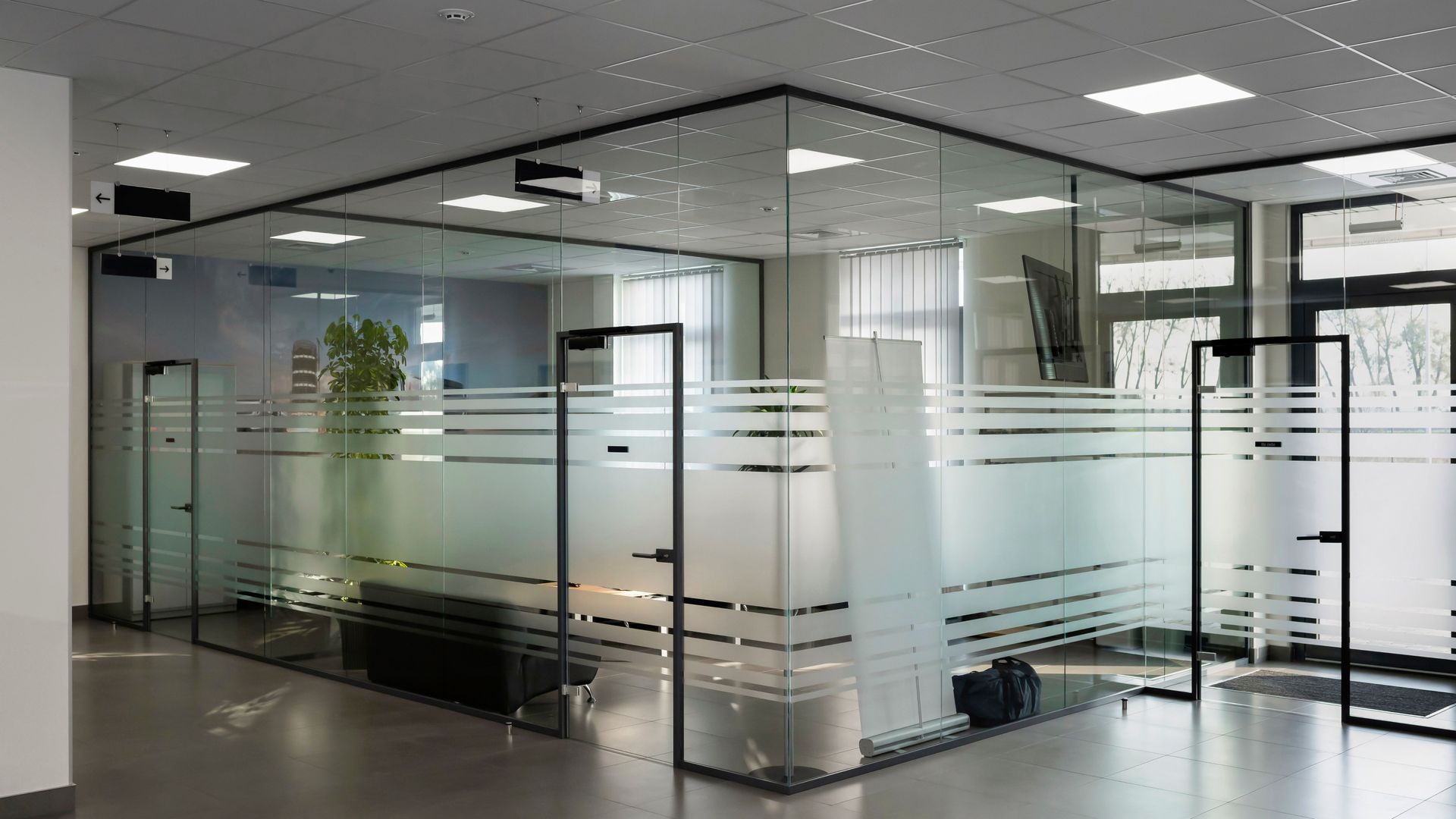
That’s why compartmentation is so important. It divides the building into discrete fire zones, with retardant materials to limit the spread of fire.


That’s where our internal and external advanced steel systems come in.


They’ve been tested together to US, Asian and European standards. And to furnace temperatures of well over 1000˚c.


That both tests the strength of the glass and its framing system, because if one fails, the whole system fails.


This is the core function of an integrated glass and framing system.


By preventing oxygen from reaching the seat of the fire, it provides an effective barrier against the passage of fire, heat and toxic gas.


This allows people to escape and, by containing the fire, minimises fire damage.


The main lesson from Qatar and Paraguay is that fire can spread with devastating speed. That’s particularly so in a large open space such as a supermarket or shopping centre.


The key is containment, trapping the fire, and allowing people to escape.  It’s the reason why our systems can be found in shopping centres around the world.


In the second part of this article, Jane will look at some landmark shopping centre projects that we’ve supplied to.


Photo courtesy of Krisztina Papp on Unsplash

Share this article

Recent Posts

Thermal bridging in curtain walling can lead to heat loss. Discover the key measures
by Simon Edward 19 June 2026
Thermal bridging in curtain walling can lead to heat loss. Discover the key measures we take to avoid it.
Weather resistance is an important part of any glazing system. Learn how manufacturers design
by Simon Edward 15 June 2026
Weather resistance is an important part of any glazing system. Learn how manufacturers design for wind, rain, snow and worse.
Does your building project involve a roofed glazing system? Explore essential specifications
by Simon Edward 12 June 2026
Does your building project involve a roofed glazing system? Explore essential specifications and considerations.
Curtain wall systems differ in functions, materials and assembly methods. Explore the applications
by Simon Edward 8 June 2026
Curtain wall systems differ in functions, materials and assembly methods. Explore the applications and differences of various curtain wall types.
Curtain walls and facades are similar but distinct architectural features. Explore
by Simon Edward 5 June 2026
Curtain walls and facades are similar but distinct architectural features. Explore the key differences in our glazing system guide.
Glazing jargon can be complicated. Learn the most important differences between a curtain wall,
by Simon Edward 29 May 2026
Glazing jargon can be complicated. Learn the most important differences between a curtain wall, a storefront and a window wall.
Is steel or aluminium best for a glazing system? Explore the pros, cons and differences in our guide
by Simon Edward 25 May 2026
Is steel or aluminium best for a glazing system? Explore the pros, cons and differences in our guide.
Blast-resistant glazing systems need to be performance-tested. Find out what this involves
by Simon Edward 22 May 2026
Blast-resistant glazing systems need to be performance-tested. Find out what this involves in our glazing system guide.
Glass-roofed atrium with steel beams and blue-tinted reflections in a modern building
by Simon Edward 18 May 2026
Explore 7 impressive internal glass facades that enhance natural light. Contact us for expert glazing solutions!
Person in a dark jacket with reflective stripes writing on a clipboard outdoors
by Simon Edward 15 May 2026
Understand UK fire regulations for glazing systems. Ensure compliance & safety in your projects. Contact us for expert guidance!
Show More