When specifying any kind of glazing system, you need to be confident you'll get a product that's fit for the job.
Safety is a vital aspect of glazing systems in construction – so, without this assurance, you're not just putting building occupants at risk. You're also putting your reputation on the line.
How, then, can you make sure you're getting a high-quality and high-performance glazing system for your project? The answer is simple: testing and compliance.
Any glazing system supplier worth its salt will proudly draw attention to its testing and compliance processes. These are vital markers of quality and trustworthiness.
This is true of glazing systems of all shapes and sizes. But in the case of blast-resistant glazing systems, it's literally a case of life and death.
Despite the vital importance of testing and compliance, it's an area that remains shrouded in mystery – not to mention an extra shroud of jargon.
In this article, we hope to demystify the testing process for blast-resistant glazing systems.
How are they tested?
There are two main ways to test a blast-resistant glazing system. The first is shock tube testing and the second is arena testing, also known as "live explosions".
The aim of these tests is to check that the glazing system stays intact and withstands the pressure of a bomb blast. The performance of the system is rated according to the amount of damage it suffers.
It's important to note that blast resistance isn't just a case of specialist
glass. It also refers to the glazing system as a whole – frame, sealants and all.
Shock tube testing
Shock tube testing is a laboratory-based method. A blast wave is generated inside a tube. This simulates a large explosion at a distance.
Arena testing
Arena testing, or live explosions, is more of a real-world test. It involves installing the glazing system in a structure. A real bomb is then detonated at a distance. This could simulate a car bomb, lorry bomb or other type of explosive device.
How are blast-resistant glazing systems classified?
International standards exist to classify the performance of blast-resistant glazing.
The main international standards are ISO 16933:2007 and ISO 16934:2007. These cover both shock-tube and arena testing methods.
These standards classify glazing based on hazard ratings and resistance to specific explosion pressures. Hazard ratings measure the speed, size and number of shards produced during the explosion.
Other international standards include ASTM F1642 (testing) and ASTM F2248 (design). These classify glass on a scale from "no" to "high" hazards.
Finally, there are GSA standards, primarily outlined in GSA-TS01-2003. This measures the performance of glazing under explosive conditions. These measurements range from no break (safe) to catastrophic failure.
Here at Wrightstyle, our blast-resistant glazing systems are tested to ISO, ASTM and GSA standards. Full test data is available to our clients.
What are the advantages of shock tube testing?
The main advantage of shock tube testing is that it's highly controlled, precise and reproducible. Blast waves can be simulated again and again, ensuring the resulting data is accurate. All this is achieved without the hazards of actual explosives.
What are the advantages of arena tests?
Arena tests offer a comprehensive performance test of how a glazing system performs. This comprehensiveness is important because of the unpredictable effects of real-life explosions. The result is critical test data that digital models and even shock tube testing can miss.
What is a blast-resistant glazing system?
A blast-resistant glazing system is a specialised assembly of strengthened glass and heavy-duty framing. Its purpose is to provide all the functionality of a glazing system with the ability to withstand explosions.
Blast-resistant glazing systems protect building users by ensuring the glass stays in its frame and minimising flying debris.
They are usually fitted with a specialised form of laminated glass. This is a durable, impact-resistant glass unit made from multiple sheets of glass and a plastic interlayer, often made from polyvinyl butyral (PVB). These units can absorb high levels of energy without shattering.
How is blast-resistant glass different from standard glass?
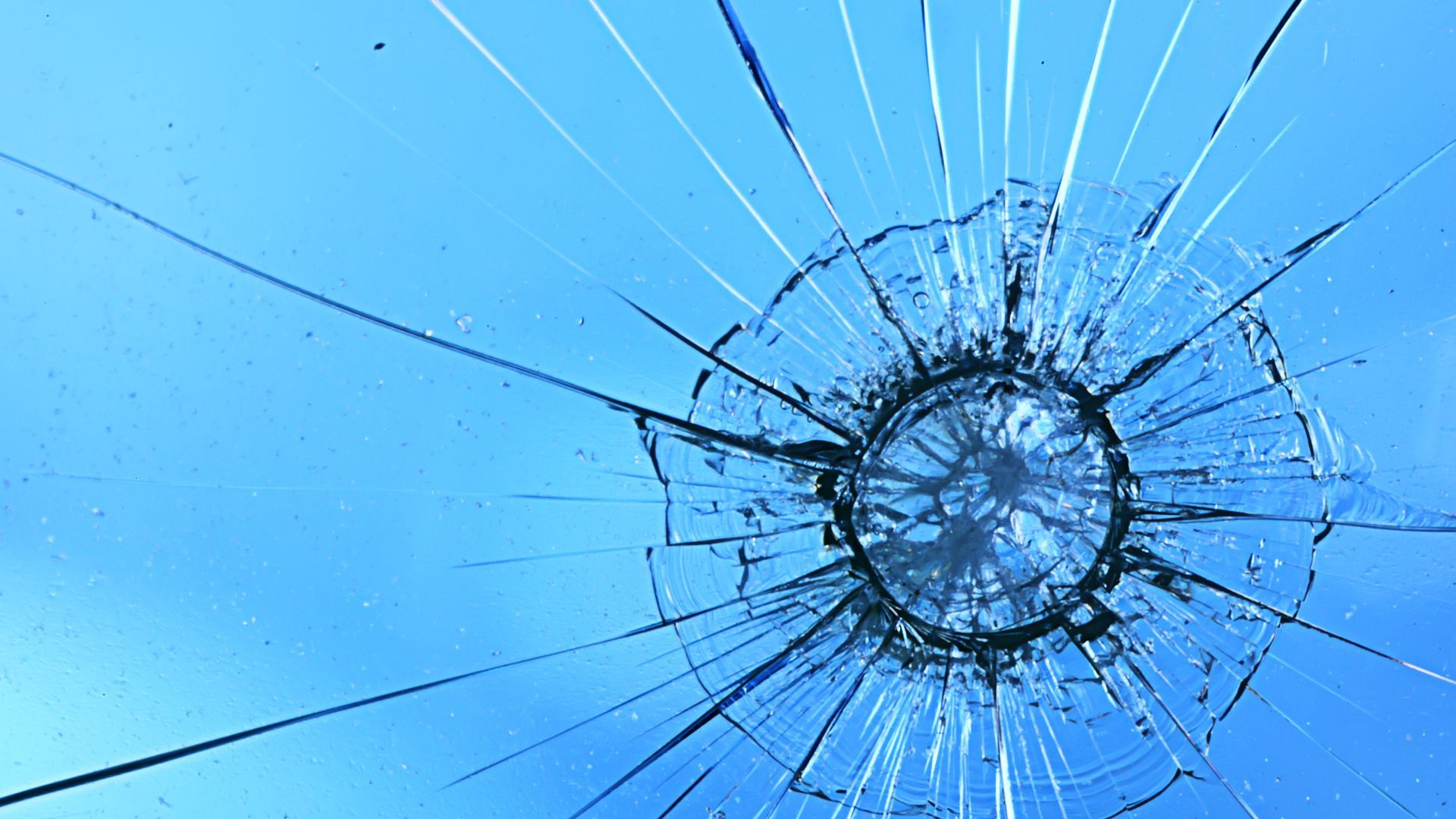
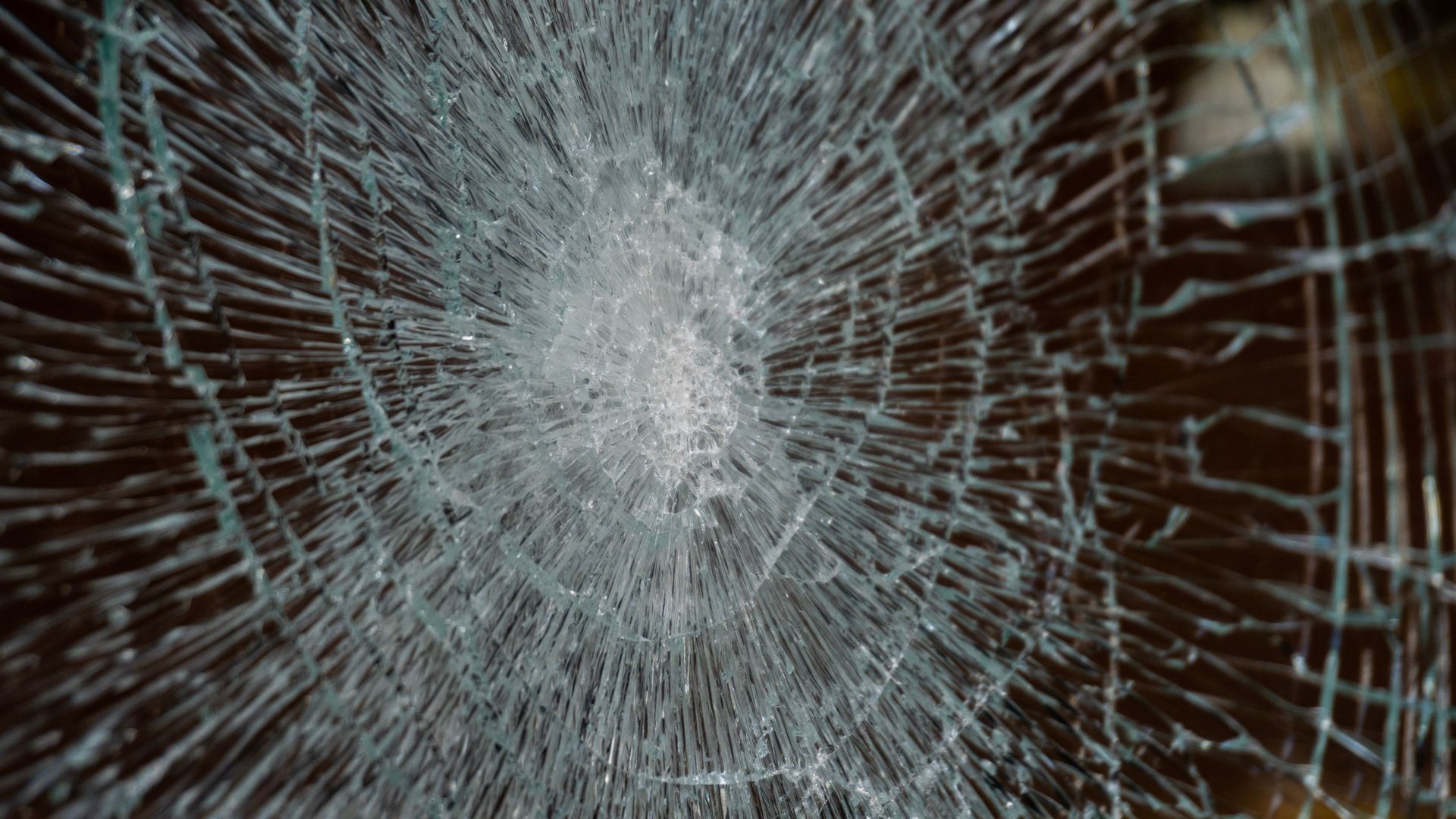
Standard glass breaks easily in an explosion. Blast-resistant glass is designed to flex and hold together, minimising or eliminating dangerous shards. This is a direct result of the manufacturing process, where multiple panes are laminated with plastic interlayers.
About our testing process
At Wrightstyle, our blast-resistant glazing systems are all tested to ISO/DIS, ASTM and GSA standards.
Our SG60 curtain walling system undergoes two live explosive tests. The first simulates a lorry bomb and the second simulates a car bomb at close range.
One of our core aims as a business is to make compliance easy for customers. This is one reason for our transparency about our testing processes.
You can read test results for the SG60 curtain walling systems by
downloading our brochure. You can also explore live test videos on our
YouTube channel.
This video, for instance, shows a bomb test of 500 kg at a distance of 75 metres.