Architectural inspiration: 7 impressive internal glass facades

Simon Edward • 18 May 2026

Looking for interior inspiration? Explore 7 of the most amazing internal glass facades from around the world.

Looking for interior inspiration? Explore 7 of the most amazing internal glass facades from around the world.

One of the most remarkable things about glass is its versatility. This is the material, after all, that can be used to manufacture everything from tiny beads to glass bridges measuring hundreds of metres long.


Today's world is filled with glass structures. Often, these are high-budget civic projects for governments, galleries, libraries and the like. But the private sector, too, is filled with glazing galore – just look at the financial district of any major city.


And it's not just the exteriors that put glass front and centre. Notable architects also like to experiment with internal glass features, whether staircases, lifts or the topic of this article – facades.


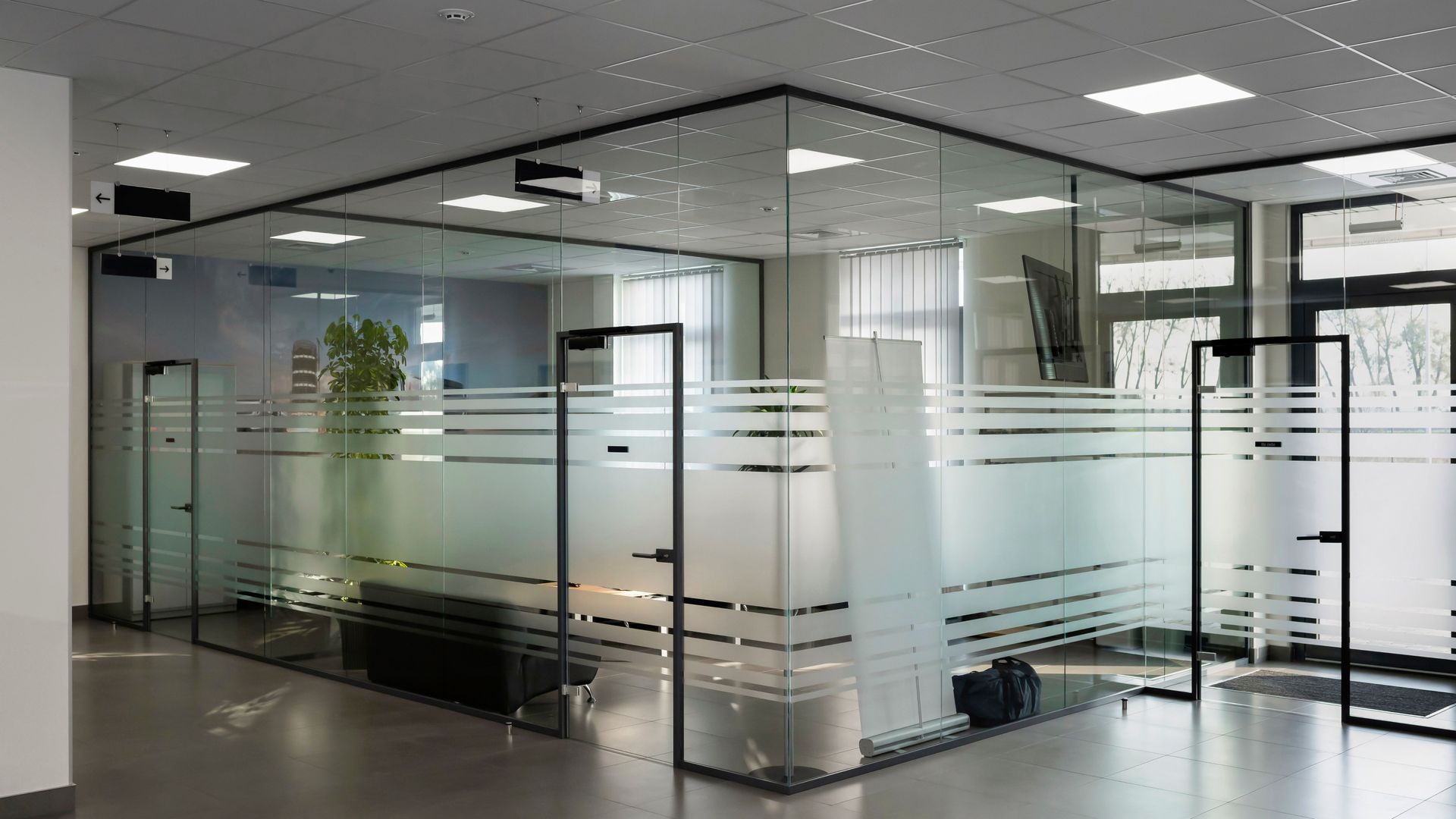
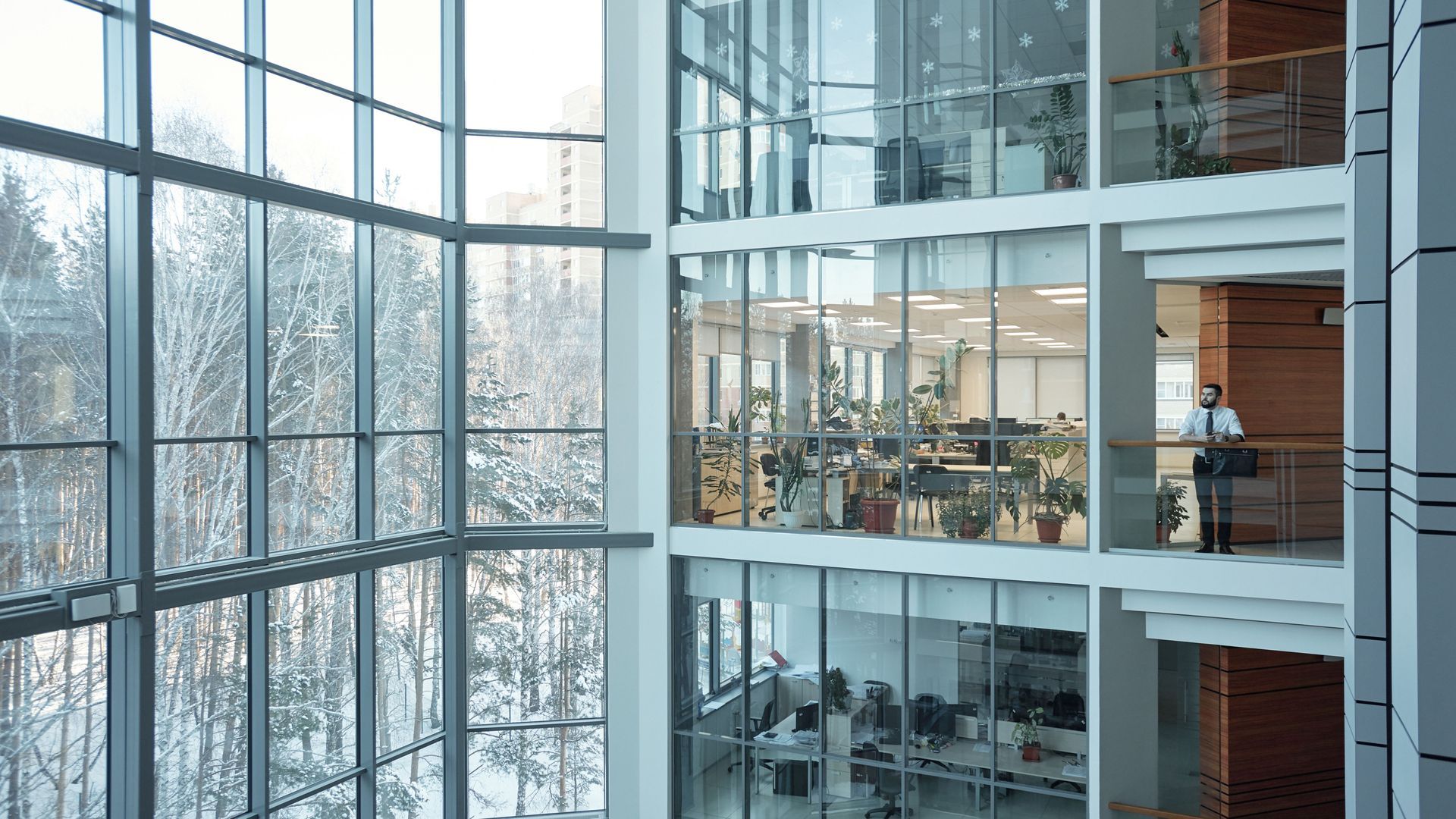
An internal glass facade tends to refer to a floor-to-ceiling glass partition or wall used inside a building.


However, it can also be used more loosely to refer to any expanse of glass inside a building. In some cases, facades are double-glazed and consist of an external and internal glass facade.


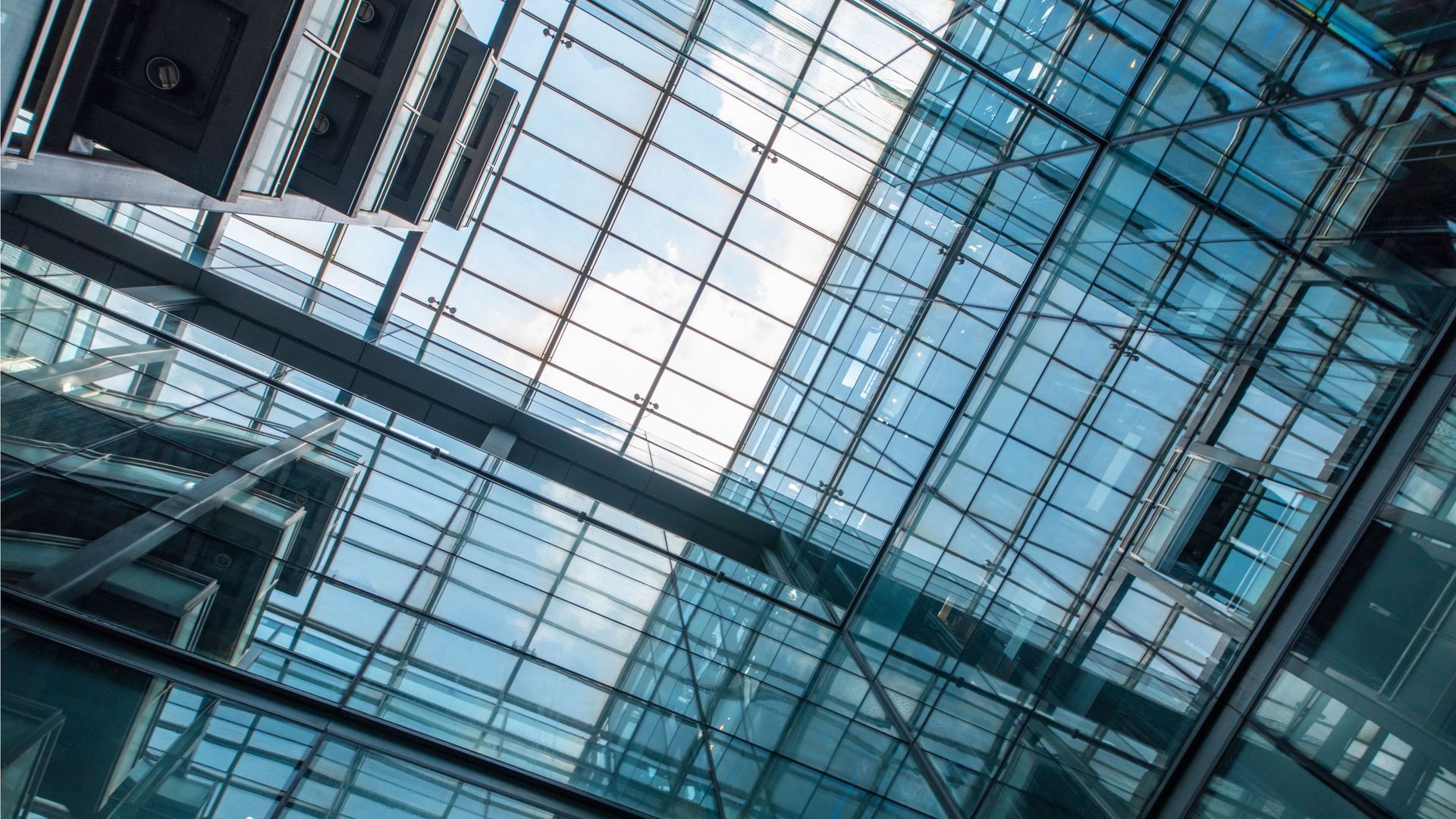
They often play their part in complex glass constructions, helping to remove the boundary between interior and exterior spaces and filling the interior with natural light.


The internal glass facades we're looking at today are testaments to the creative ingenuity of architects from across the world. We hope they inspire and impress you in equal measure.


1. Reichstag building, Berlin, Germany


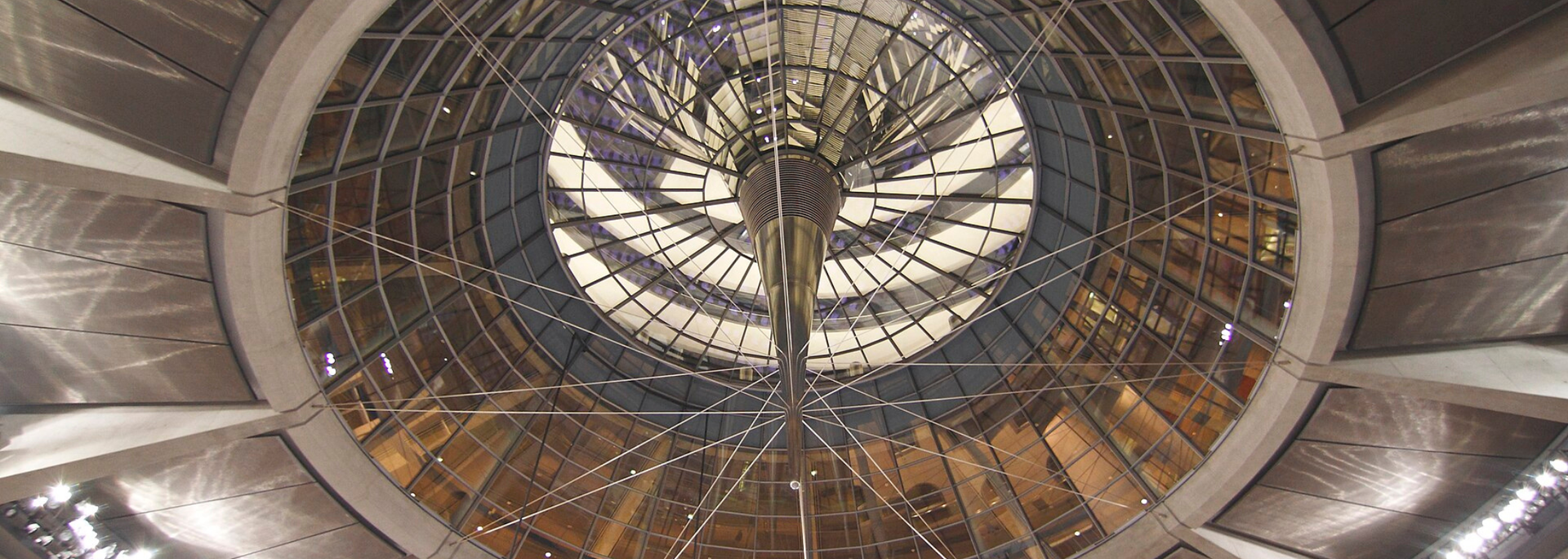
Picture of the Reichstag building.


One of Berlin's most famous buildings, the Reichstag is the seat of the German federal government. Today, it boasts a remarkable dome designed by Sir Norman Foster.


The dome is made from glass and metal and symbolises transparency in government. Visitors can enter and enjoy 360° views of Berlin as well as views of the parliamentary debating chamber below.


The interior, however, is no less impressive than the exterior. It includes an inverted cone of 360 mirrored panels. This eye-catching dangling facade reflects daylight, ventilates the dome and features two intertwined spiral ramps for visitors to climb.


2. Fondation Cartier pour l'art contemporain, Paris, France


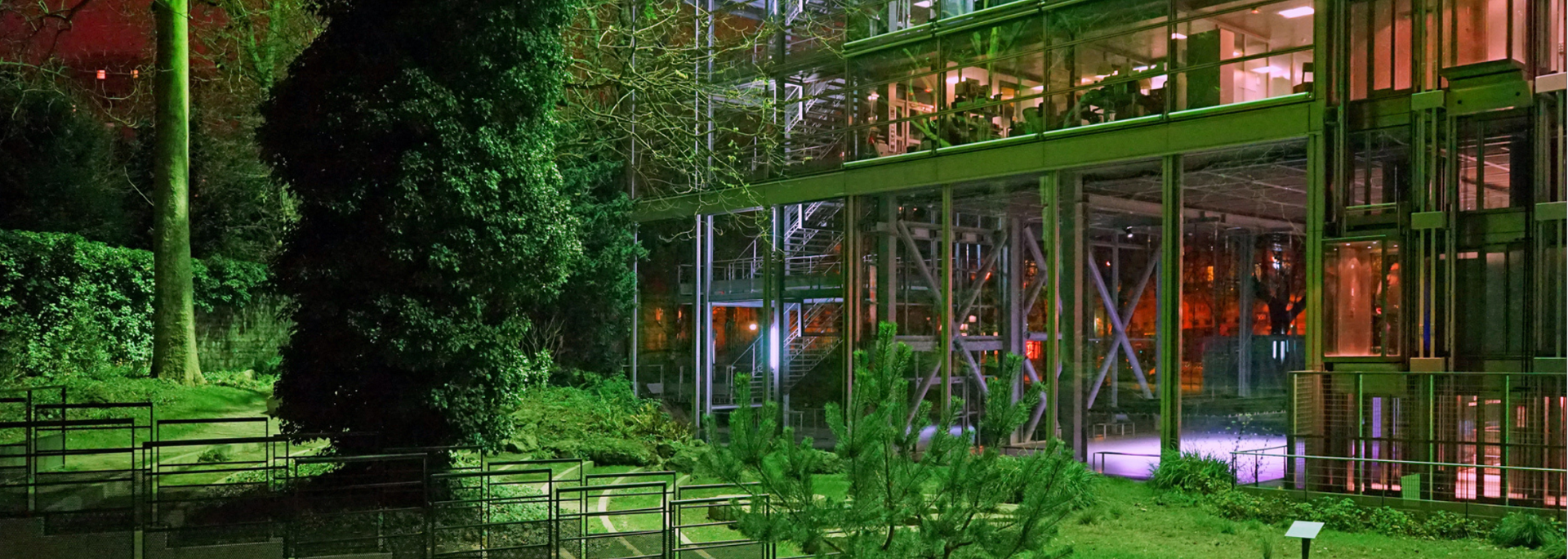
Picture of The Fondation Cartier.


Surrounded by woodland gardens, this contemporary art gallery in Paris is a masterpiece of glass design.


Central to architect Jean Nouvel's vision is a layered sequence of glass panes – floor-to-ceiling glass partitions and walls that often run parallel to the glass exterior.


These innovatively stacked facades separate gallery spaces while also creating a complex, interlocking set of reflections and transparencies.


3. Seattle Central Library, Seattle, USA

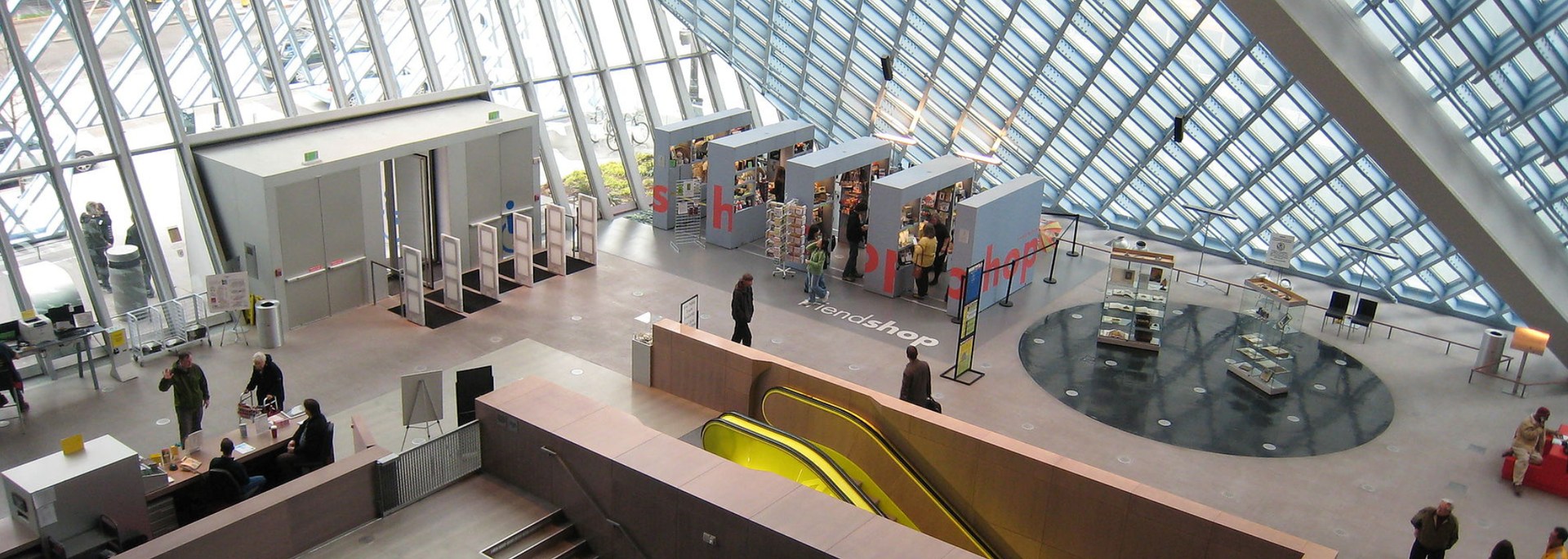
Picture of the Seattle library


Housing around one-and-a-half-million books, Seattle Central Library is an 11-storey glass-and-steel marvel. Among many other striking architectural features, its platforms seem to float, wrapped in a large net of steel and glass.


Inside, the library is split into zones or "boxes". These are often defined by internal transparent walls. The result is a fluid, light-filled and interconnected environment for bibliophiles and casual readers alike.


4. Casa da Música, Porto, Portugal

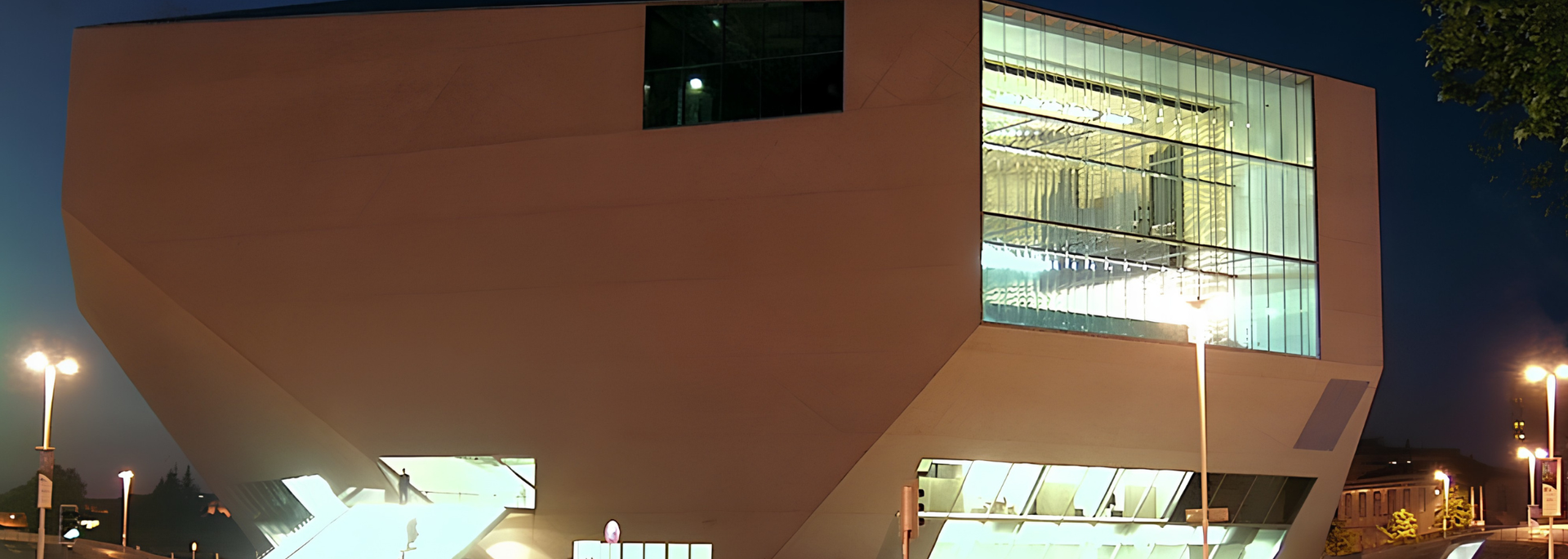
Picture of Casa da Música, Porto, Portugal.


For decades, if not centuries, concert halls have conformed to a certain style – sometimes disparagingly called "shoebox" venues.


Casa da Música in Porto, Portugal, is a reaction to this kind of building. The exterior is made from white concrete. Inside, however, the auditorium has corrugated glass facades that open onto the city.


The result is a building that makes classical music a part of the city rather than something shut off and sacred. As with so many forward-thinking buildings, glass plays a pivotal role.


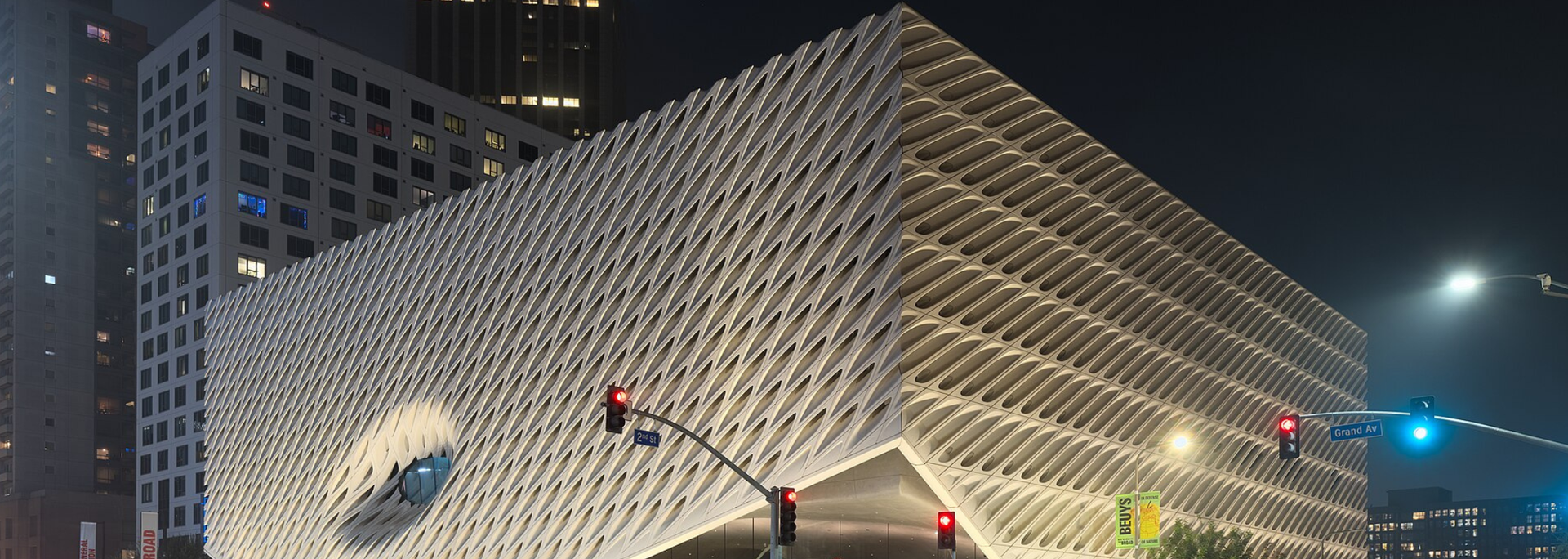
5. The Broad, Los Angeles, USA

Picture of The Broad, Los Angeles, USA.


Located in downtown Los Angeles, the Broad gallery contains around 2,000 works of art from its collection, alongside temporary exhibitions.


The 120,000-square-foot building has two floors and follows a "veil and vault" concept. The veil is an outer honeycomb structure made from fibreglass and concrete.


Behind the veil is a sealed glass curtain wall that separates it from the gallery spaces. This filters natural light from outside, creating a soft, diffused, vault-like effect for the gallery users. Meanwhile, the ground floor lobby features an array of glass panels.


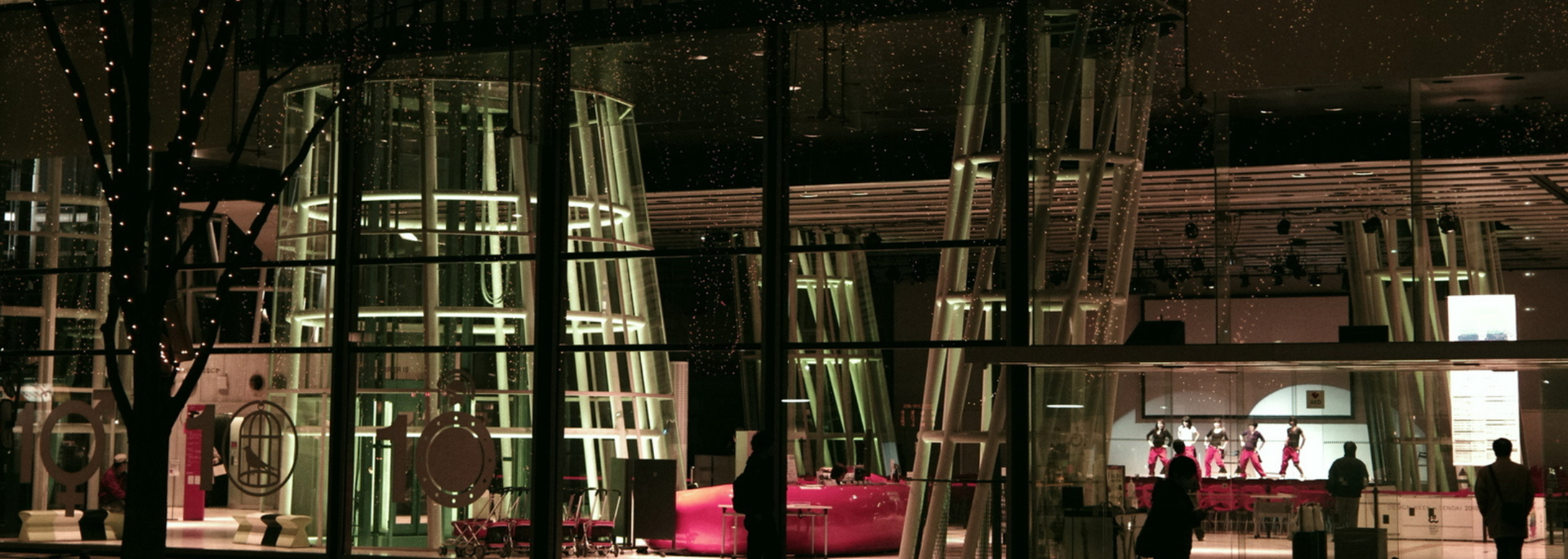
6. Sendai Mediatheque, Sendai, Japan

Picture of Sendai Mediatheque, Sendai, Japan.


Designed by Toyo Ito in 1995 and completed in 2001, the Sendai Mediatheque library in Japan is a glass-and-metal wonder of the modern architectural world.

The building is remarkable for how it both stands out and blends in. Surrounded by mainly block-white buildings, it blends with neighbouring buildings thanks to its daytime reflections and night-time multi-coloured lighting.

The library has a double-glazed skin on its southern side consisting of an external and internal glass facade. This acts as a "buffer zone" between the book-filled interior and the world outside – a barrier that's both transparent and environmentally responsive.

7. The Opus, Dubai, UAE

This mixed-use building in Dubai's Burj Khalifa district was designed by Dame Zaha Hadid. It has a cube-like structure with an eight-storey-high, free-form void in its centre. This void houses the ME Dubai hotel, luxury flats, offices and eateries.

If "free-form void" sounds a little sci-fi to you, imagine a carved-out space inside a cube. It's wrapped in a continuous glass facade constructed from thousands of curved or double-curved glass panels.

This remarkable facade spans several storeys and turns into a glass roof at the top. Like many of these architectural feats, the effect is to dissolve the boundary between inside and out – and to create a space flooded with natural light.

What are internal glass facades made from?

Internal glass facades, like external glass facades, are made from high-performance safety glass – typically laminated or toughened and laminated glass.


These kinds of safety glass provide the strength, safety and acoustic control required for these kinds of settings.


Laminated glass is made from bonding a plastic interlayer between two sheets of glass. In the case of architectural glass, these outer panes tend to be toughened, too. These glass panels are often held up by glazing systems made from steel or aluminium.


Wrightstyle is a trusted UK curtain wall company and manufacturer of specialised steel glazing systems, including interior glazing systems. Don't hesitate to contact our experts for comprehensive, step-by-step technical advice.

Share this article

Recent Posts

All glazing systems in the UK are governed by regulations. Get to grips with current UK regulations
by Simon Edward 15 May 2026
All glazing systems in the UK are governed by regulations. Get to grips with current UK regulations for fire-rated glazing.
Are you tasked with specifying a curtain wall for a building project? Learn the key specs
by Simon Edward 11 May 2026
Are you tasked with specifying a curtain wall for a building project? Learn the key specs and how to avoid complications.
Bulletproof glass is manufactured differently from standard laminated glass. Learn how it's made
by Simon Edward 8 May 2026
Bulletproof glass is manufactured differently from standard laminated glass. Learn how it's made and how it's tested.
8 April 2026
Light and glass go hand in hand. Most building materials have weight and mass, whether concrete, a brick or a length of structural steel. There is, however, one building material that has neither weight nor mass.
8 April 2026
n a two-part article, Jane Embury, marketing director, looks at shopping centres fire safety.  We don’t often think about fire breaking out in our local shopping centre. However, let’s remember that in July a fire engulfed a shopping centre in Walthamstow, east London. And just last month, a serious fire broke out in a shopping centre in Douglas, County Cork. The fact is that retail fires account for about 10% of “large fire losses.” Of those, some 20% are in shopping centres. Many are started deliberately. In a shopping centre, responsibility for fire safety can be complex. The shopping centre management team will have responsibility for the communal areas.
8 April 2026
Many people think that bullet-proof glass is bullet proof, the answer is yes, but not necessarily. It depends on the protection level of the frame and the glass. As always, it comes down to a preliminary threat assessment, to determine the risk to both property and life. For example, the level of protection required for a government or military building will be higher than the local post office. When a bullet is fired at a sheet of bullet-resistant glass, it will penetrate the glass layers. But it’s the interlayer, or interlayers, of polycarbonate and polyurethane, or a mixture of both, sandwiched inside the glass that absorbs the projectile’s energy and prevents it going through.
8 April 2026
Wrightstyle supplied fire-rated systems to the iconic King’s Cross redevelopment in London, both to the station itself and surrounding projects. Wrightstyle’s managing director, Tim Kempster, remembers events of 30 years ago. The term “codifying by disaster” has a long and dishonourable history. It’s the term used to to describe how advances in safety regulations and fire-rated systems often only come about following appalling tragedy. In a year which has seen the Grenfell Tower disaster, and new regulations will inevitably be brought in, it’s worth remembering a London train station tragedy thirty years ago that claimed the lives of 31 people. However, what marks the King’s Cross fire as different in scope and scale is that, not only did it lead to better fire safety regulation, it helped us all better understand an unknown dynamic in how a small fire can become a conflagration. King’s Cross station, completed in 1852 on the site of a former smallpox hospital, is reputedly haunted by the ghost of Queen Boudicca and is the railway station from which, as every Harry Potter fan knows, you catch the train for Hogwarts. The station handles nearly 50 million station users each year and, inevitably, security is of paramount importance, not least because of the 2005 bombing outrage, which killed 52 people, with the four bombers traveling into King’s Cross before carrying out their murderous attacks. Although it remains the worst terrorist attack in London, it wasn’t the first at the station. In 1973, a Provisional IRA bomb also detonated in King’s Cross’s booking hall, injuring six people, several seriously.
8 April 2026
Wrightstyle’s Technical Director, Lee Coates, takes a deeper look at the Bradford City fire (at the football stadium) and the consequences.