Fire safety in schools: what glazing systems do you need?

Simon Edward • 20 November 2026

Are you specifying a fire-rated glazing system for a school? Explore key regulations in our industry guide.

Are you specifying a fire-rated glazing system for a school? Explore key regulations in our industry guide.

Fire safety is a fundamental consideration in school design, construction and refurbishment.


The right glazing systems can help contain fire, protect escape routes and support the safe evacuation of pupils and staff.


Fire-rated glazing offers an important balance between safety and design, allowing natural light into school buildings without compromising essential fire protection. It's used in a wide variety of settings, from classroom partitions and corridors to stairwells and large glazed facades.


However, not all fire-resistant glass provides the same performance. Choosing the right system requires careful consideration of the building's layout, fire strategy and regulatory requirements.


So, which glazing systems do schools need – and what should architects, contractors and facilities managers consider?


Understanding BB100: Fire safety in school design

Building Bulletin 100: Design for Fire Safety in Schools is key guidance published by the Department for Education. It addresses fire safety in school buildings, including fire prevention, compartmentation, escape routes and measures to reduce the consequences of a fire.


BB100 should be considered alongside the applicable Building Regulations and relevant fire safety guidance.


In England, Approved Document B provides guidance on meeting the Building Regulations' fire safety requirements. Requirements and guidance may differ across Scotland, Wales and Northern Ireland.


The appropriate glazing specification depends on the school's fire strategy and the function of each glazed element.

For example, glazing installed within a fire-resisting wall may need to maintain the wall's required fire separation.


And glazing in a protected stairway must meet the requirements applicable to that escape route.


There is no single fire-rated glazing system suitable for every school. Each installation must be assessed according to its location, required performance and supporting evidence.


Read the official BB100: Design for Fire Safety in Schools guidance for further information.

What is fire-rated glazing?


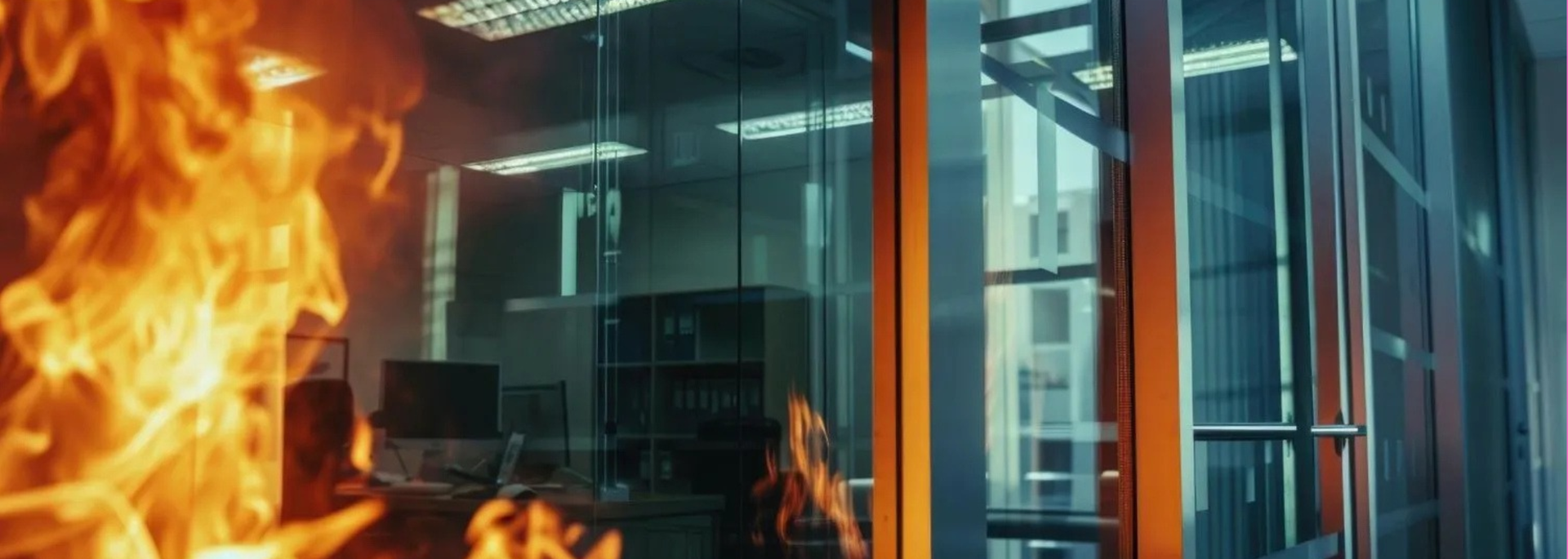
Picture of a fire inside a building.

Fire-rated glazing is specially designed glass installed within a tested framing system to provide a defined level of fire resistance.

Ordinary glass can crack or fail when exposed to intense heat. Fire-resistant glazing is designed to withstand standardised fire test conditions for a specified period, helping maintain separation between different areas of a building.


Depending on its classification, it can prevent flames and hot gases from passing through and may also limit heat transfer to the unexposed side.


Common applications in schools include:

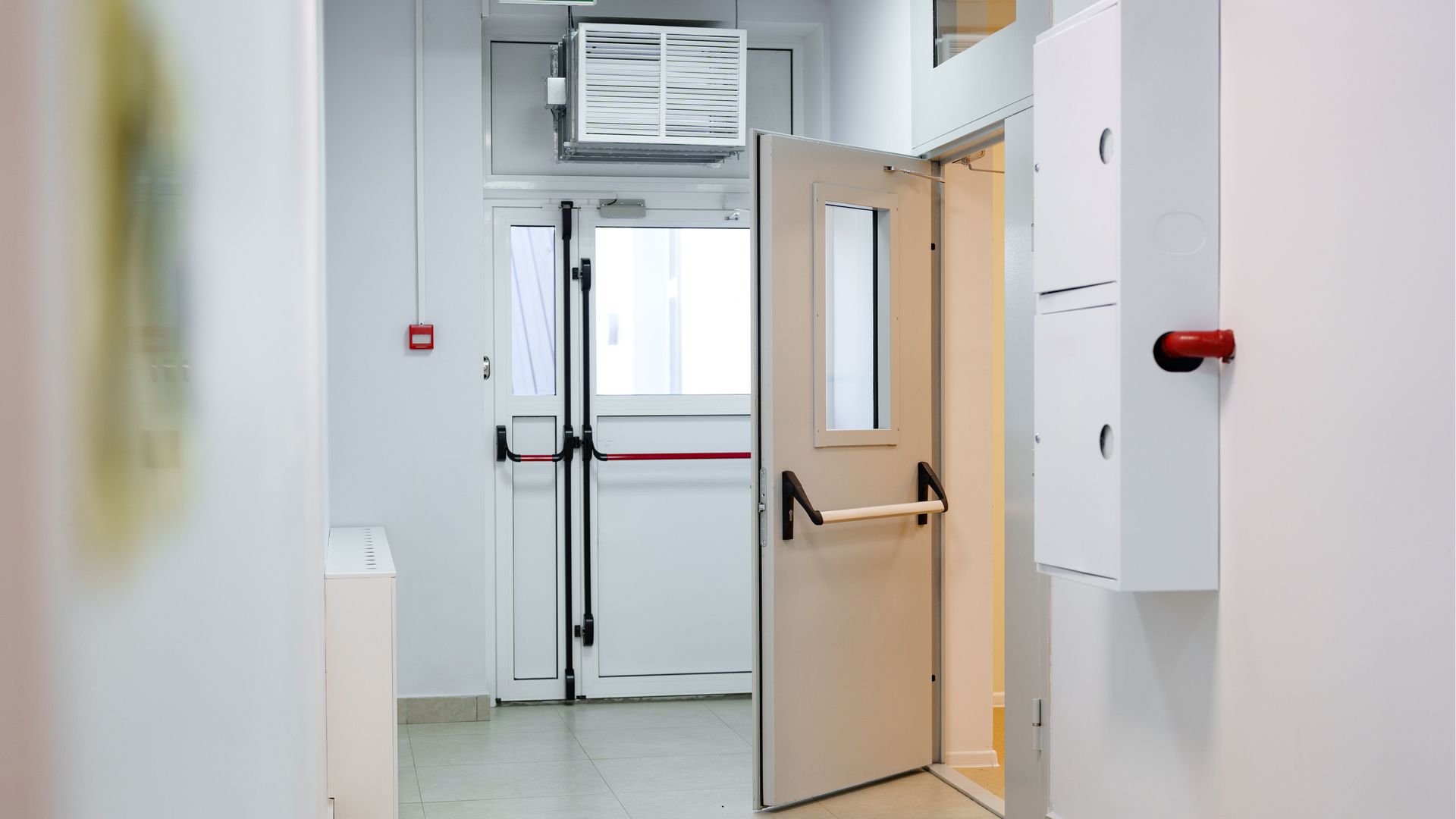
  • Fire-rated doors: glazed doorsets that combine visibility with the required fire resistance

  • Fire-rated screens and partitions: fixed glazed barriers separating classrooms, corridors and communal areas

  • Fire-rated windows: windows installed where fire-resistant construction is required

  • Fire-rated curtain walling: specialist glazed facade systems designed to provide specified fire performance

The complete system must be suitable for its intended application. You shouldn't rely on the glass specification alone.


Understanding E and EI fire ratings

Two important classifications used for fire-resistant glazing are "E" and "EI".


  • E (Integrity). An E-rated system is designed to prevent flames and hot gases from passing through the barrier for a specified period under the relevant test conditions.

  • EI (Integrity and insulation). An EI-rated system provides integrity and limits the temperature rise on the unexposed side, helping reduce heat transfer through the barrier.

For example, "E60" indicates an integrity classification for 60 minutes, while "EI60" indicates integrity and insulation for 60 minutes.


These ratings are not interchangeable. Whether an E-rated or EI-rated system is appropriate depends on applicable requirements, the location of the glazing and the building's fire strategy.


Specifiers should confirm the required classification against relevant fire test evidence and regulatory guidance before selecting a product.


Where should fire-rated glazing be installed?

Corridors and escape routes

School corridors can form part of the means of escape. Where glazed screens or doors are incorporated into fire-resisting construction, they must provide the necessary performance to maintain the intended fire separation.


Stairwells and protected lobbies

Protected stairways are designed to provide a safer route out of a building during a fire. Any glazing forming part of their enclosure must meet the applicable fire resistance requirements.


In certain configurations, integrity-only glazing may be permitted, subject to specific conditions. Other arrangements may require a higher level of protection.


Classrooms and internal partitions

Glazed partitions help create bright, welcoming learning environments. However, if a partition forms part of a fire compartment or another fire-resisting barrier, its glazing system must meet the relevant specification.


Atriums and external facades

Large atriums and glazed facades can introduce additional fire safety considerations, including the potential spread of fire between floors or through adjoining spaces.


Why the complete glazing system matters


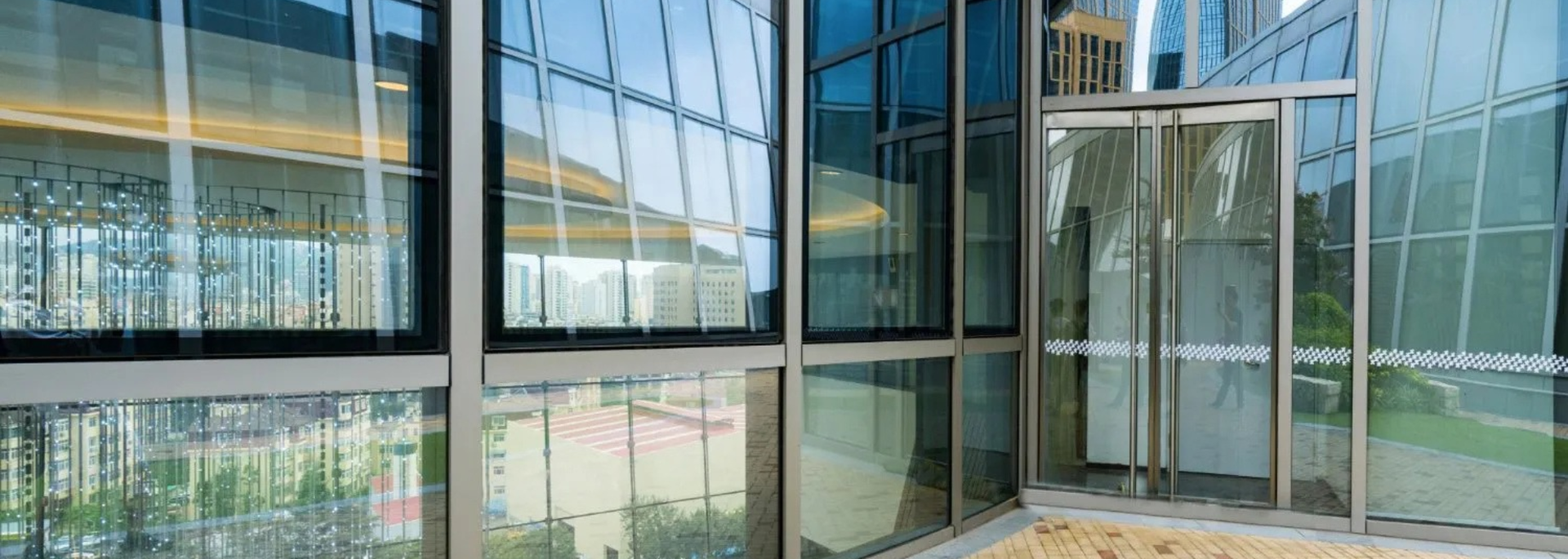
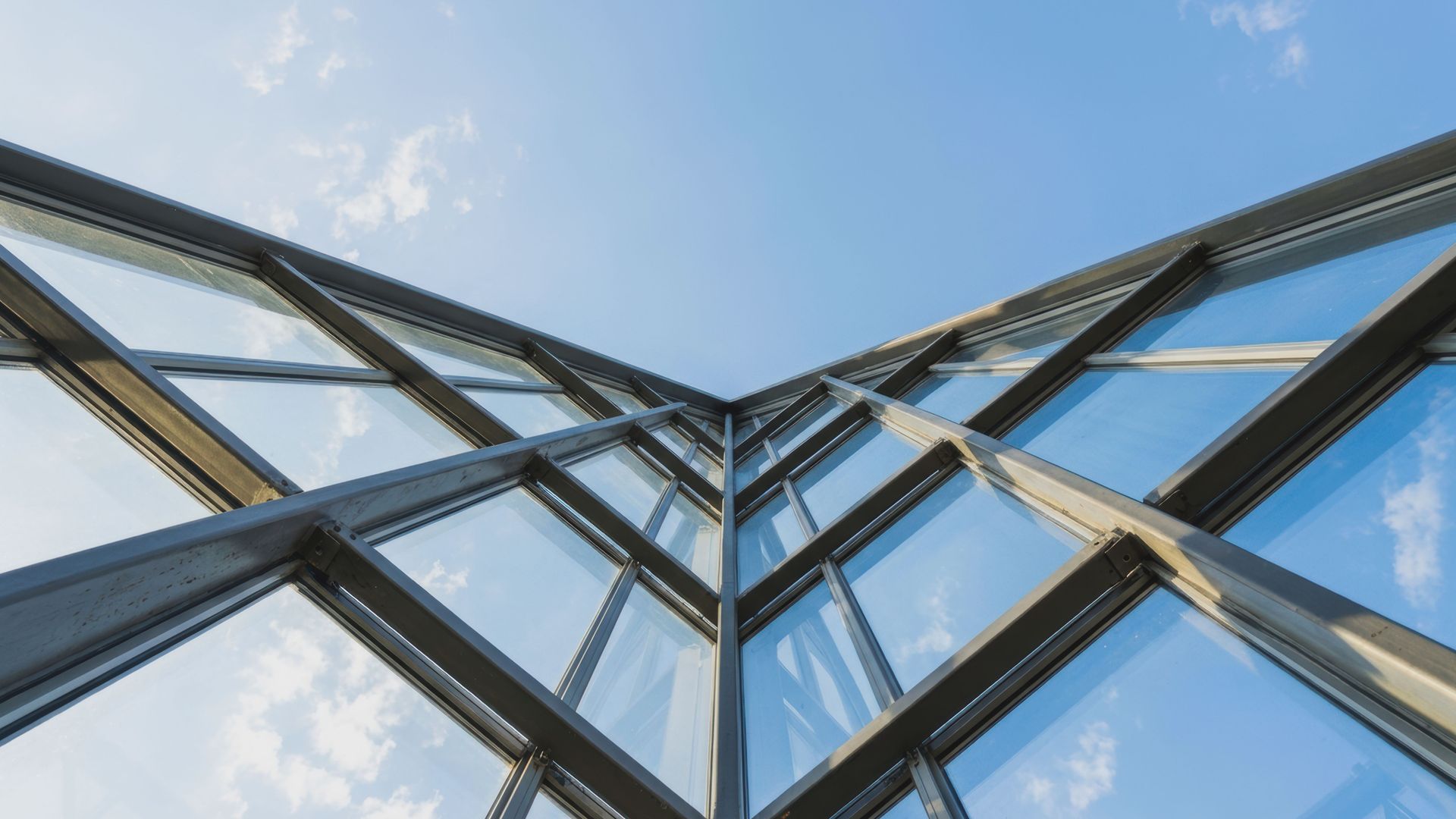
Picture of a glass wall on the side of a building.

Fire performance depends on more than the glass itself. Frames, seals, fixings, hardware and installation details all contribute to the finished assembly's performance.


A fire-resistant glass pane fitted into an unsuitable frame cannot automatically be expected to achieve the same rating as a tested system.


BB100 highlights the importance of using complete fire-resisting glazed systems supported by appropriate evidence. Systems should be installed in accordance with their approved documentation, without unauthorised changes that could compromise performance.


So, before specifying or approving a system, architects and contractors should check:

  • The scope of the fire test evidence
  • Permitted dimensions
  • Permitted types of supporting construction
  • Installation requirements

What else should schools consider?

Fire resistance is only one part of a school's glazing specification. Other considerations include:

  • Impact safety. Glazing in areas where pupils could collide with it should meet the relevant safety-glazing requirements.

  • Acoustic performance. Suitable glazing can help reduce noise between classrooms and communal areas.

  • Natural light. Glazed screens can improve daylight distribution and visibility.

  • Durability and maintenance. Doors, seals, frames and closing mechanisms must be inspected and maintained appropriately.

  • Accessibility. Doors and circulation spaces must remain suitable for pupils, staff and visitors with different mobility needs.

Fire-rated glazing for schools: how Wrightstyle can help

Wrightstyle manufactures specialist steel glazing systems for doors, windows, screens and curtain walls.


Our fire-rated glazing systems offer a range of E and EI classifications, helping architects and contractors meet the fire safety requirements of different school environments without sacrificing natural light or attractive design.


We also understand that school glazing specifications aren't just about fire resistance. Impact safety, durability, acoustic performance and accessibility all need to be considered. Our technical team can help you identify suitable glazing systems, review performance requirements and provide the test evidence and specification information you need to make an informed decision.


Whether you're designing a new school or upgrading an existing building, we're here to help you find the right solution. Get in touch with Wrightstyle today to discuss your project and access expert technical advice.


Share this article

Recent Posts

How can glazing protect buildings and occupants from explosions? Explore blast resistance, testing
by Simon Edward • 16 November 2026
How can glazing protect buildings and occupants from explosions? Explore blast resistance, testing standards and key specification considerations.
What do EI30, EI60 and EI120 fire ratings mean? Explore insulation criteria,
by Simon Edward • 13 November 2026
What do EI30, EI60 and EI120 fire ratings mean? Explore insulation criteria, UK regulations and how to specify compliant fire-rated glazing.
How are curtain walls tested for wind, rain, impact and fire? Explore the methods and EN standards
by Simon Edward • 9 November 2026
How are curtain walls tested for wind, rain, impact and fire? Explore the methods and EN standards used to assess glazing system performance.
Are you specifying glazing for a hospital or healthcare building? Explore key considerations,
by Simon Edward • 6 November 2026
Are you specifying glazing for a hospital or healthcare building? Explore key considerations, from fire safety and acoustics to infection control.
Explore the differences between supply-only and fully fabricated glazing systems and the pros/cons
by Simon Edward • 2 November 2026
Explore the differences between supply-only and fully fabricated glazing systems and the pros and cons of each.
Considering window frame materials for a construction project? Learn about steel's strength,
by Simon Edward • 30 October 2026
Considering window frame materials for a construction project? Learn about steel's strength, aesthetic qualities and fire performance.
Sendzimir galvanising protects steel glazing systems against corrosion. Explore the science
by Simon Edward • 23 October 2026
Sendzimir galvanising protects steel glazing systems against corrosion. Explore the science behind the process and why it matters.
How long does fire-resistant glazing need to withstand fire? Explore the factors
by Simon Edward • 21 October 2026
How long does fire-resistant glazing need to withstand fire? Explore the factors that affect the required fire rating, from building use to location.
Fire-rated doors can be latched or unlatched. Find out what this means for your specification
by Simon Edward • 21 October 2026
Fire-rated doors can be latched or unlatched. Find out what this means for your specification process.
What makes a curtain wall? Explore the key components that form a curtain wall assembly
by Simon Edward • 12 October 2026
What makes a curtain wall? Explore the key components that form a curtain wall assembly and learn how the pieces fit together.
Show More