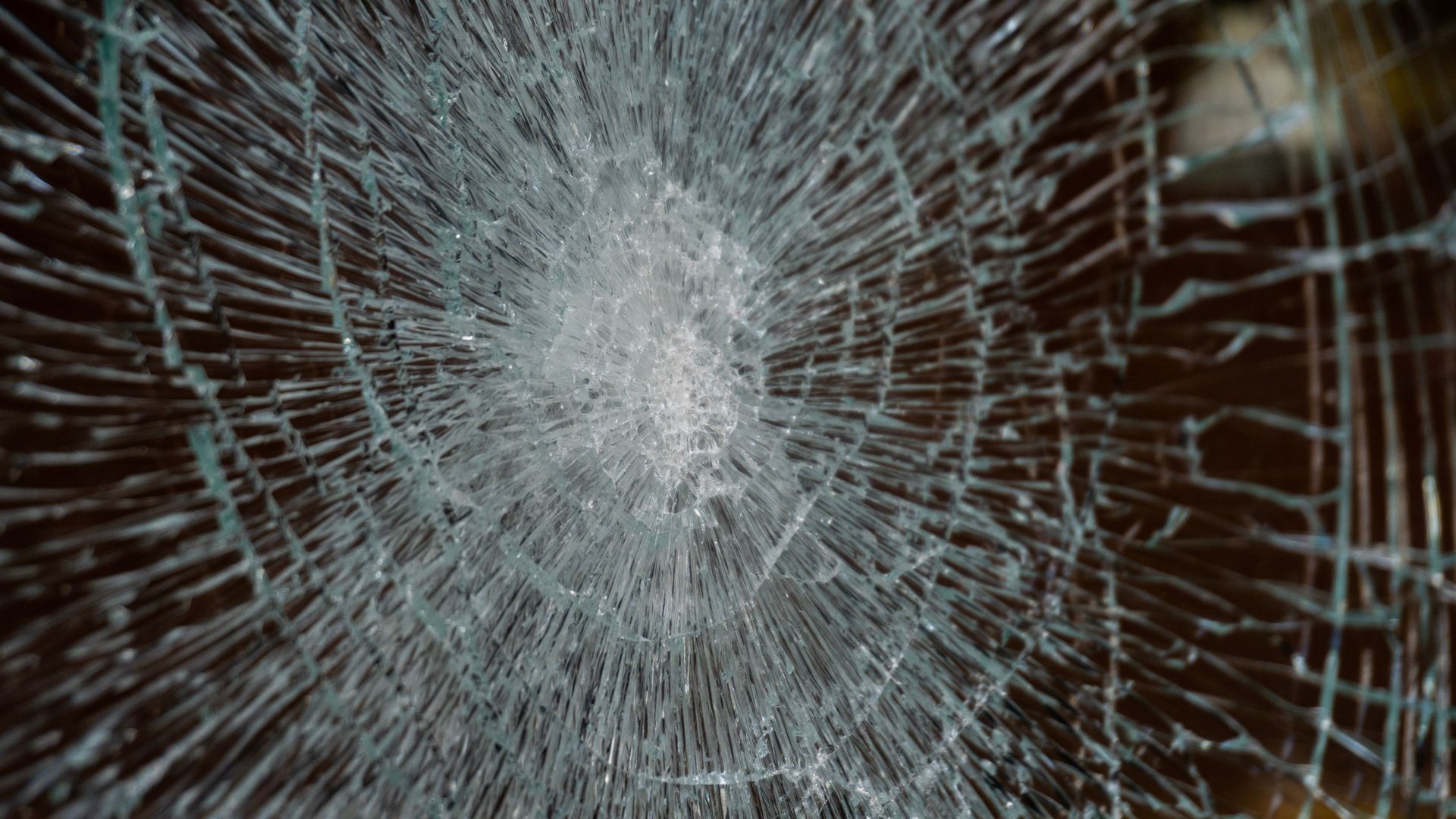
Remember shatterproof rulers? These staples of school pencil cases had a dark secret: they weren't actually shatterproof.
"Shatterproof", you see, means indestructible – and shatterproof rulers can be shattered if you try hard enough and apply enough force.
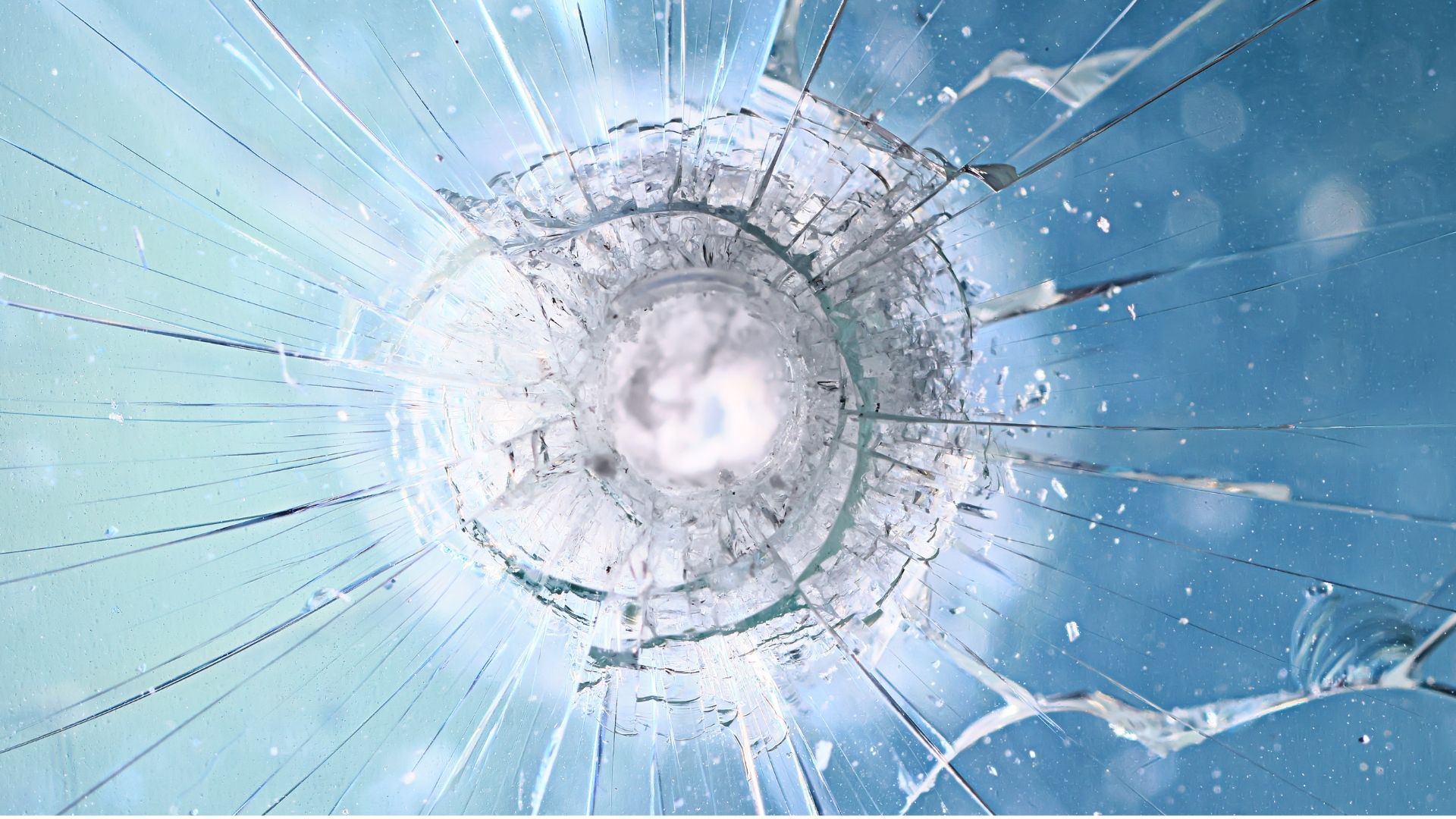
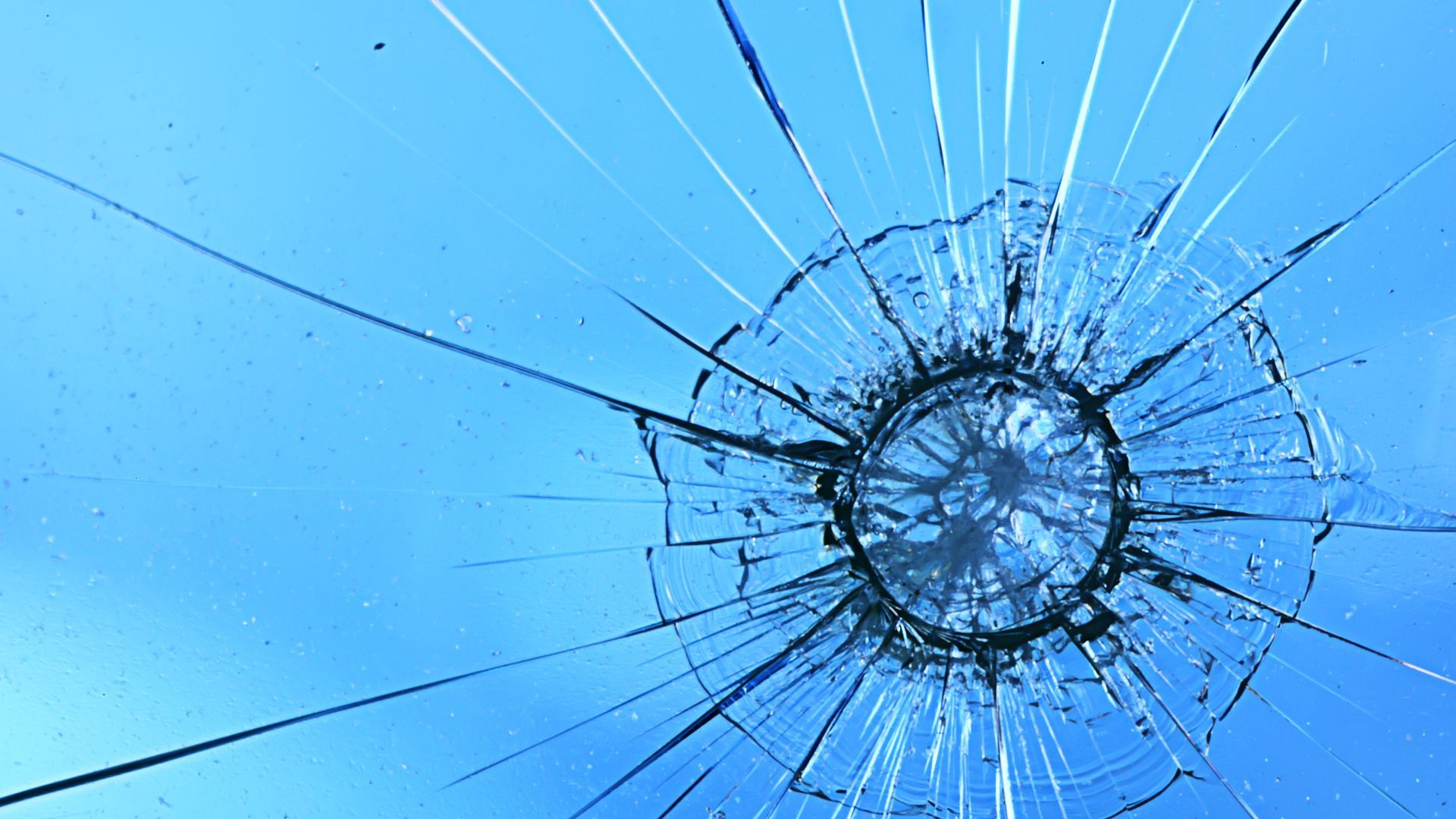
The same goes for bulletproof glass, also known as "ballistic-proof glass". Bulletproof glass can stop a bullet from penetrating a glass unit and getting to the other side – but that doesn't mean its glass layers remain intact.
The level of ballistic resistance depends on the protection level of the glass and the frame. This level is determined by the risk that a bullet would present to property and human life.
To take an easy example: who needs a higher level of bullet resistance – the local post office or a military facility? This is partly because of the threat level and partly because of the kinds of firearms that might be used in those two locations.
Here at Wrightstyle, our advanced ballistic systems include both the glass and its frame and offer protection from a range of firearms. In this guide, we explore how ballistic-proof glass is made and how it's tested.
How is bulletproof glass made?
Bulletproof glass – also known as "ballistic-proof glass" and "bullet-resistant glass" – is made by laminating multiple layers of glass with tough and transparent plastic interlayers. These are often made from polyvinyl butyral (PVB).
As well as the PVB interlayer, bulletproof glass typically includes thicker polycarbonate or acrylic layers. These help absorb the energy of the bullet and stop the unit from shattering.
How does bulletproof glass work?
When a bullet is fired at a sheet of ballistic glass, it will penetrate the glass layers. However, the polycarbonate or acrylic substrate sandwiched between the outer sheets of glass absorbs the bullet's kinetic energy and stops it from penetrating the final layer.
For bulletproof glass manufacturers, the key is to balance strength and flexibility. The laminate must be tough, for obvious reasons. But it must also flex enough that it gives the kinetic energy somewhere to go. If the plastic layer were too stiff, it would also crack when hit by a bullet.
Protection against different firearms and projectiles
Bulletproof glass is manufactured to protect against different kinds of ballistic projectiles – from shotguns all the way through to 9mm and .44 magnum handguns.
A petrol station or bank, say, might want to protect against shotguns and handguns. But in other settings, protection is required against rifles with armour-piercing capabilities.
The velocity of the bullet and the type of the bullet affect how far it can penetrate into building components. Bullet velocity is measured in meters per second (m/s). These are the most typical bullet velocities:
- Handguns: 300 to 500 m/s
- Rifles:
700 to 1,000 m/s
- Shotguns: about 600 m/s
Before ballistic-proof glass goes to market, it must be comprehensively tested. The life-saving nature of the product means testing is essential rather than optional.
How is ballistic-proof glass tested?
Here at Wrightstyle, all our glazing systems and specialist glass products are tested in real-world simulations. This means that actual bullets are fired at actual glass.
We undertake ballistic testing in a UKAS-accredited test laboratory. Here, products are tested to the British and European standards DIN EN 1522 (framing) and DIN EN 1063 (glass).
These are the most stringent tests. Products that meet these standards are trusted to provide the highest levels of protection against firearms of all kinds.
A glazing system is more than just glass, however. The whole glazing system has to be bulletproof.
For this reason, we test our range of ballistic steel glazing systems to the following international standards:
- CEN 1063 BR1 to BR7
- BS5051 G1 to R2ap
- STANAG 4569 levels 1 to 3
- DIN 52290 levels 1 to 5
- UL752-1991
- UNE 108-131086 levels 1 to 5
All our manufacturing processes are undertaken to Quality Management System BS EN ISO 9001: 2015. This ensures our manufacturing processes are consistent by way of regular audits.
You can see examples of our live ballistic testing over on our
YouTube channel. Here's an example.